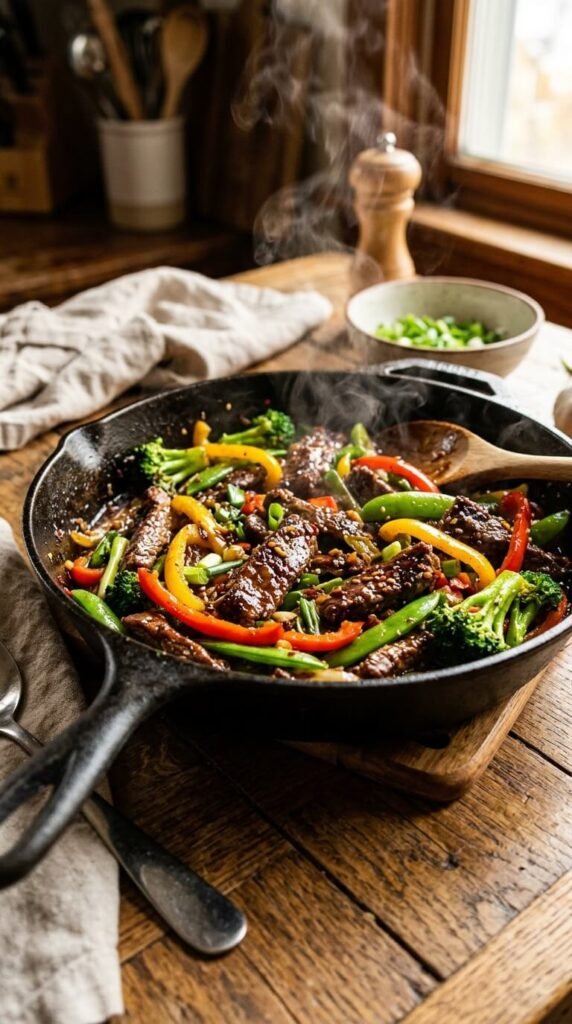
Beef stir fry is the kind of dinner that saves busy weeknights. It comes together fast, uses simple ingredients, and lets you customize with whatever veggies sit in your fridge. The trick to a great one is balance: tender beef, crisp vegetables, and a sauce that ties everything together without drowning it. Below are 24 ideas to help you build stir fry meals that taste like they came from a restaurant, using budget cuts of meat, smart prep tricks, and pantry staples. Whether you’re new to the wok or a regular home cook, these tips make weeknight cooking easier and tastier.
1. Pick the Right Cut of Beef
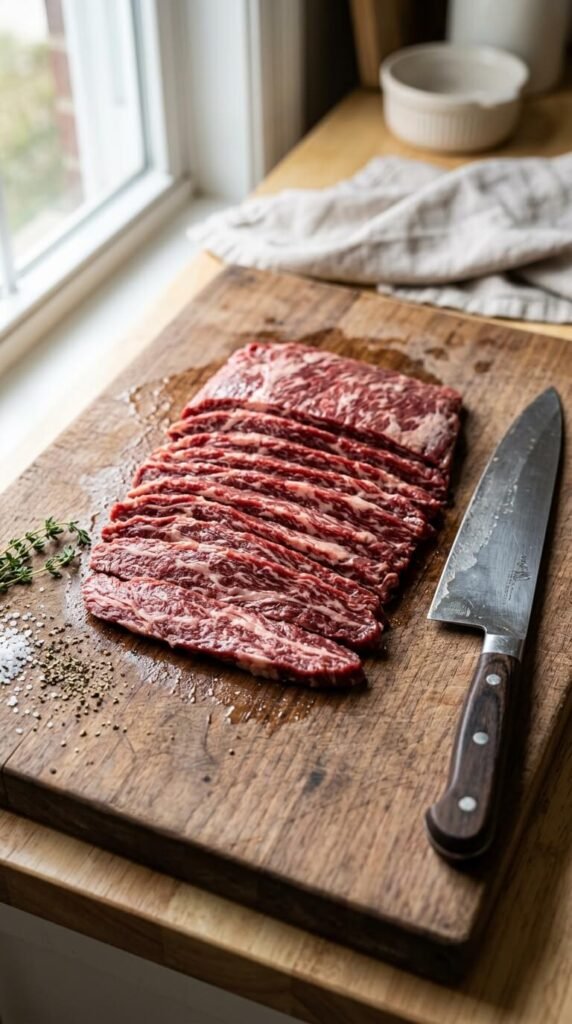
Skip the pricey cuts. Flank steak, skirt steak, or sirloin tip work well and cost less. These cuts have good flavor and turn tender when sliced thin. Look for sales at your grocery store and buy in bulk when prices drop. Freeze extra portions in meal-sized bags. This way, you always have stir fry meat ready without paying full price every time. Ask your butcher for trim ends too—they’re cheaper and still cook up great in a hot pan.
2. Slice Against the Grain
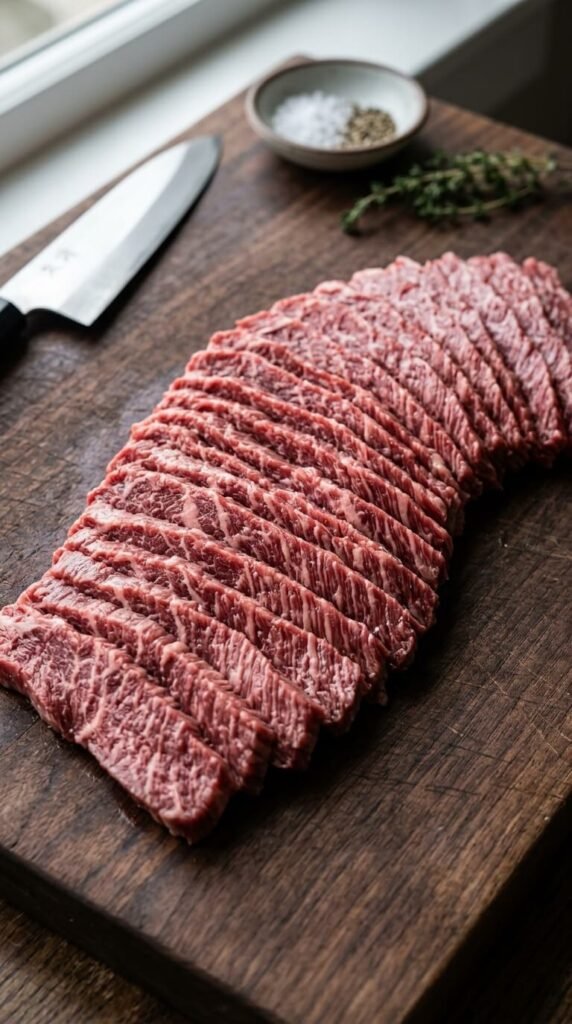
This step makes a real difference. Cutting against the grain shortens the muscle fibers, so each bite feels soft instead of chewy. Look at the lines running through the meat, then slice across them, not along them. A sharp knife helps a lot here. If your knife feels dull, a $5 sharpener from the dollar store fixes that fast. Thin slices, about a quarter-inch thick, cook quickly and soak up sauce better too.
3. Freeze Beef Slightly First
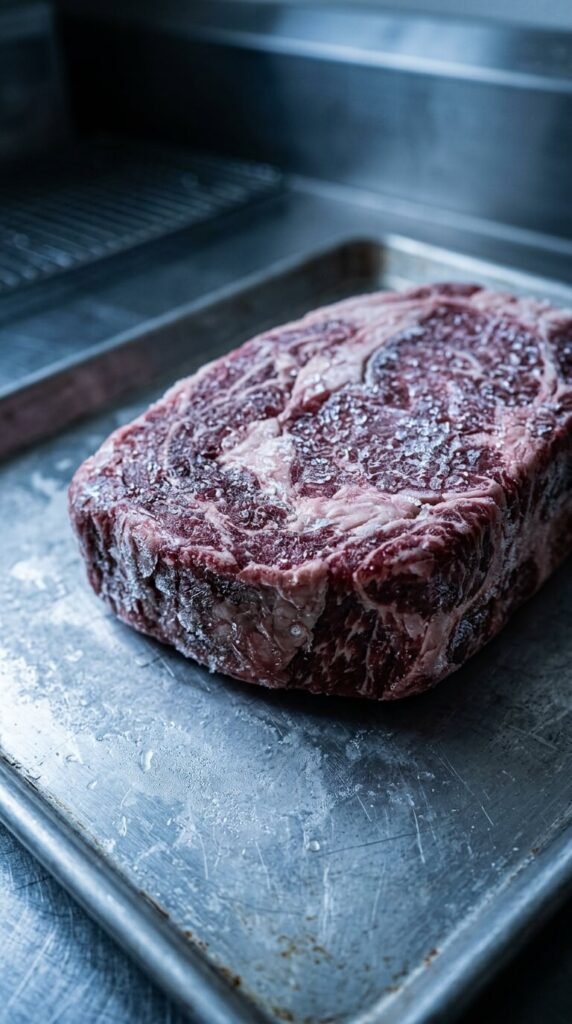
Cold meat slices easier. Pop your beef in the freezer for 15 to 20 minutes before cutting. It firms up just enough to make thin, even slices without much effort. This trick works for any cut, expensive or budget-friendly. No fancy tools needed—just your regular knife and a little patience. Set a timer so you don’t forget it in there too long. This small step saves frustration and gives you restaurant-style thin cuts at home.
4. Use a Simple Marinade
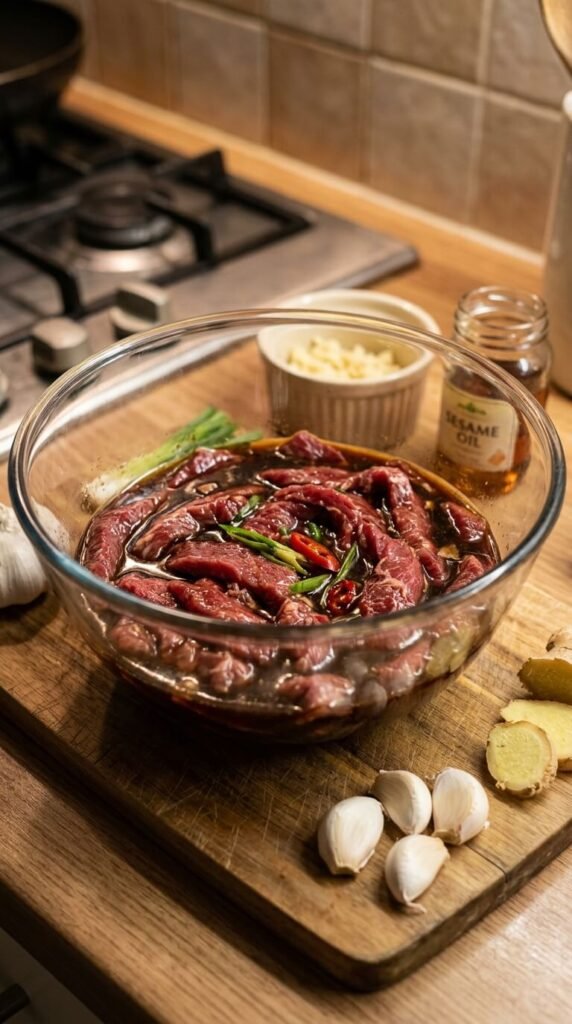
A basic marinade changes everything. Mix soy sauce, a splash of vinegar, and a little sugar. Let the beef sit for 15 minutes while you chop vegetables. This short soak adds flavor and helps tenderize the meat. You don’t need fancy ingredients—items already in your pantry work fine. Skip pre-made marinade bottles that cost more and often include fillers. Homemade versions taste better and cost pennies per serving.
5. Add Baking Soda for Tenderness
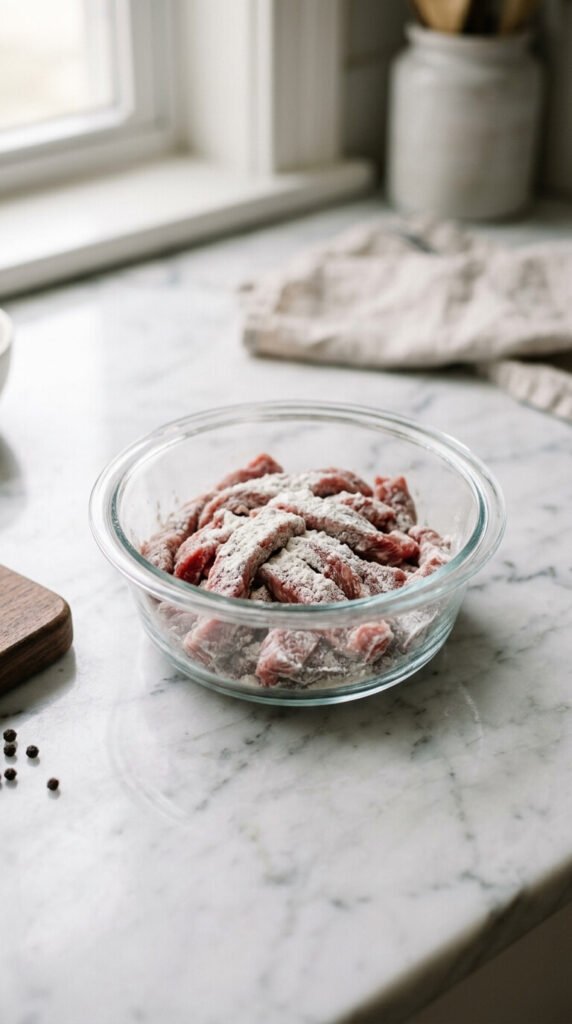
This restaurant trick works at home too. A tiny pinch of baking soda rubbed into raw beef breaks down tough fibers. Let it sit for 10 minutes, then rinse well before cooking. Don’t skip the rinse or the taste turns off. Use about a quarter teaspoon per half pound of meat. This cheap pantry item makes budget cuts taste like pricier ones. It’s one of the easiest upgrades you can make to any stir fry.
6. Heat the Pan Before Adding Oil
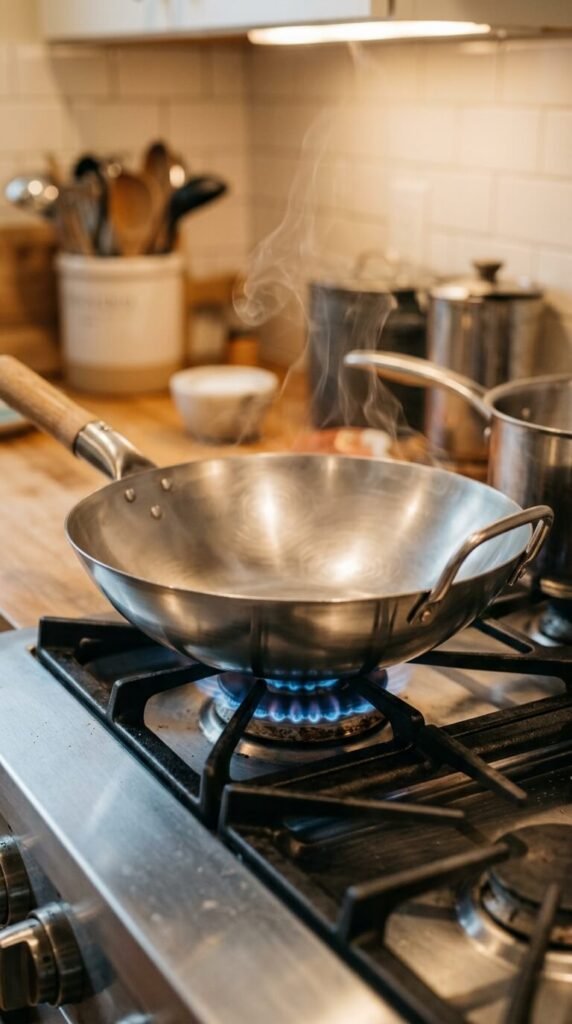
Patience pays off here. Let your pan or wok get hot before adding any oil. A cold pan makes food stick and steam instead of sear. Test readiness by flicking a drop of water into the pan—it should sizzle and evaporate fast. This step takes less than two minutes but makes a big difference in texture. Once hot, add oil and let it shimmer before tossing in your beef.
7. Cook Beef in Small Batches
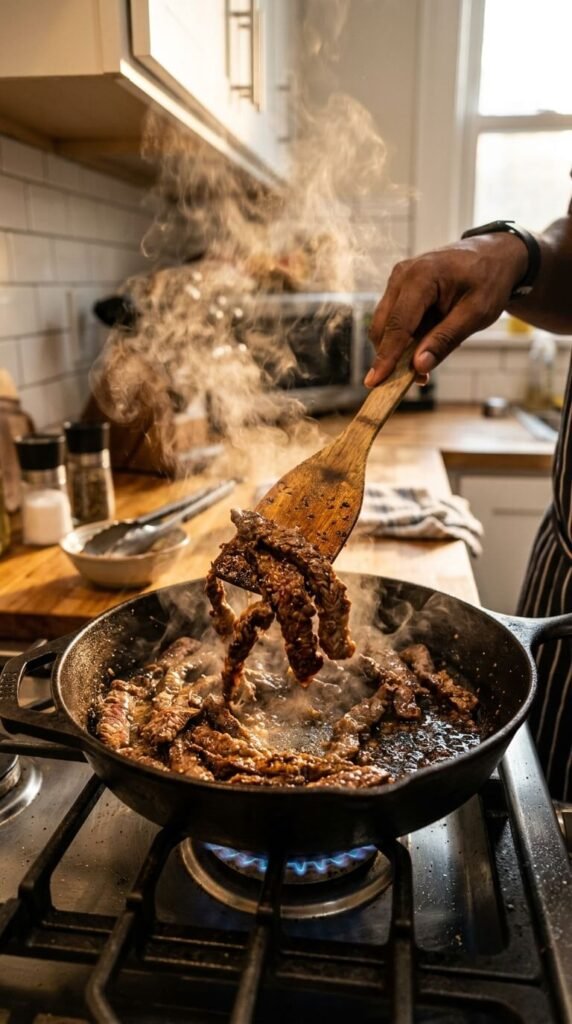
Crowding the pan ruins texture. Cook beef in small batches, giving each piece room to touch the hot surface directly. Too much meat at once causes steaming instead of searing, leaving your beef gray and chewy. Work in two or three rounds if needed. Set cooked beef aside on a plate while you finish the rest. This simple habit costs no extra money but makes a noticeable difference in flavor and texture.
8. Choose Crisp Vegetables Wisely
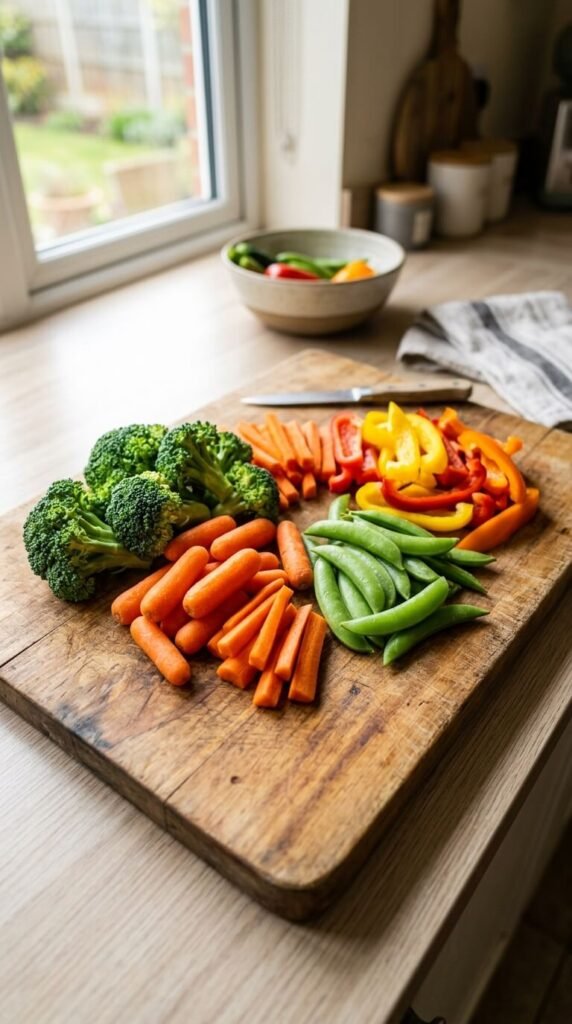
Not all veggies cook the same way. Pick ones that hold their crunch, like broccoli, carrots, snap peas, and bell peppers. Skip watery vegetables like zucchini unless you add them last. Buy frozen mixed vegetables when fresh prices climb—they work just as well and save money. Cut everything into similar sizes so they cook evenly. This keeps your stir fry from turning into a mushy mess.
9. Cut Vegetables Uniformly
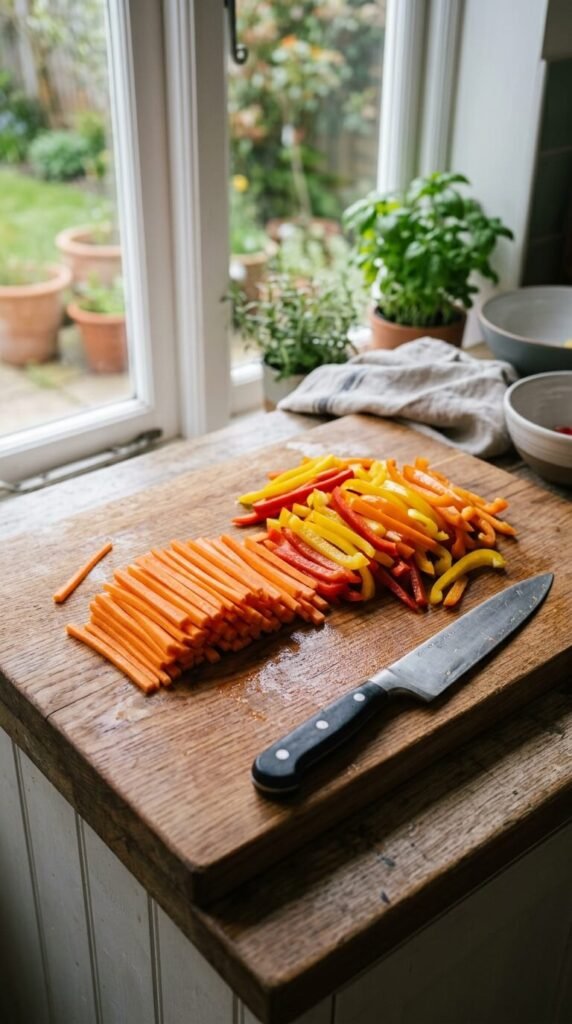
Even sizes mean even cooking. Cut your vegetables into similar shapes and thickness, whether that’s matchsticks or small chunks. This helps everything finish cooking at the same time. Uneven pieces leave some parts raw and others overcooked. Take a few extra minutes during prep to slice carefully. It doesn’t require special tools—just a steady hand and a sharp knife. Consistent cuts also make your dish look more put-together.
10. Blanch Harder Vegetables First
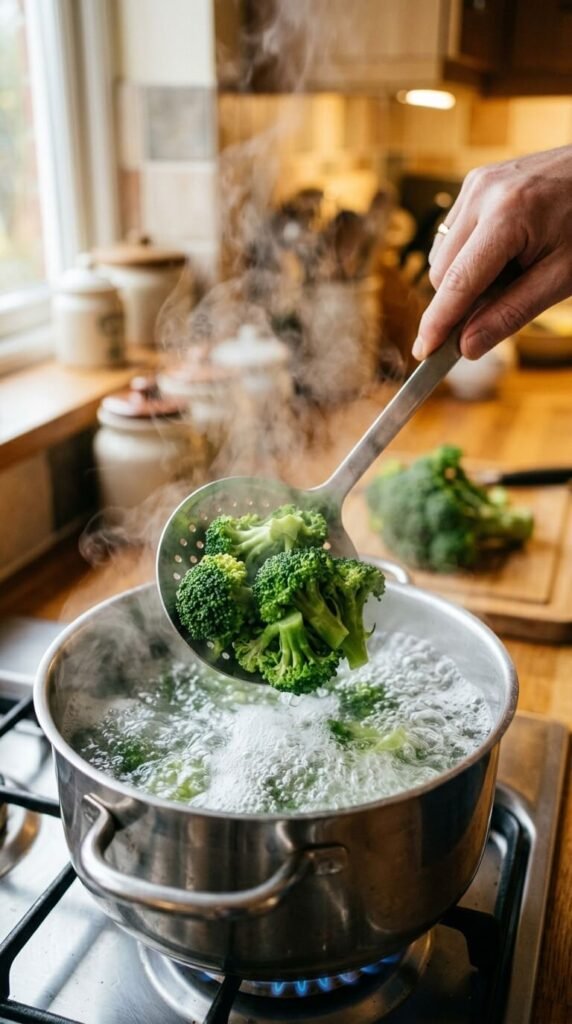
Dense vegetables like broccoli and carrots need a head start. Blanch them in boiling water for one to two minutes before stir frying. This softens them just enough so they finish cooking at the same pace as quicker veggies. Drain and pat dry before adding to the hot pan. This extra step takes only a few minutes and prevents raw, hard bites in your final dish.
11. Add Vegetables in Stages
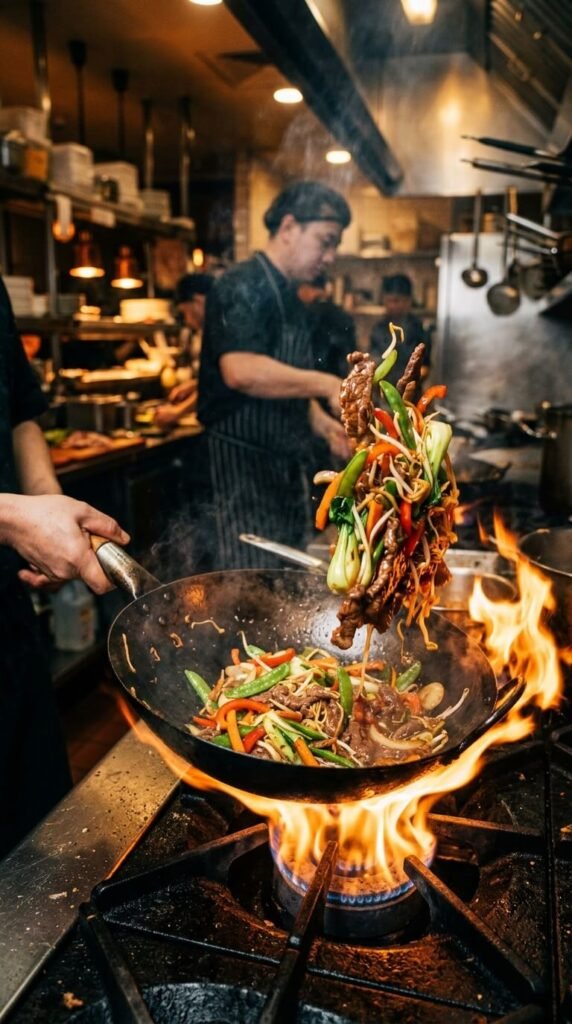
Timing matters more than people think. Add harder vegetables first, like carrots and broccoli, then follow with softer ones like peppers and snap peas. This keeps everything crisp instead of mushy. Toss constantly using a spatula or tongs. Don’t walk away from the pan during this step—things move fast. Staggering your additions by even 30 seconds to a minute makes a real difference in texture.
12. Keep the Heat High
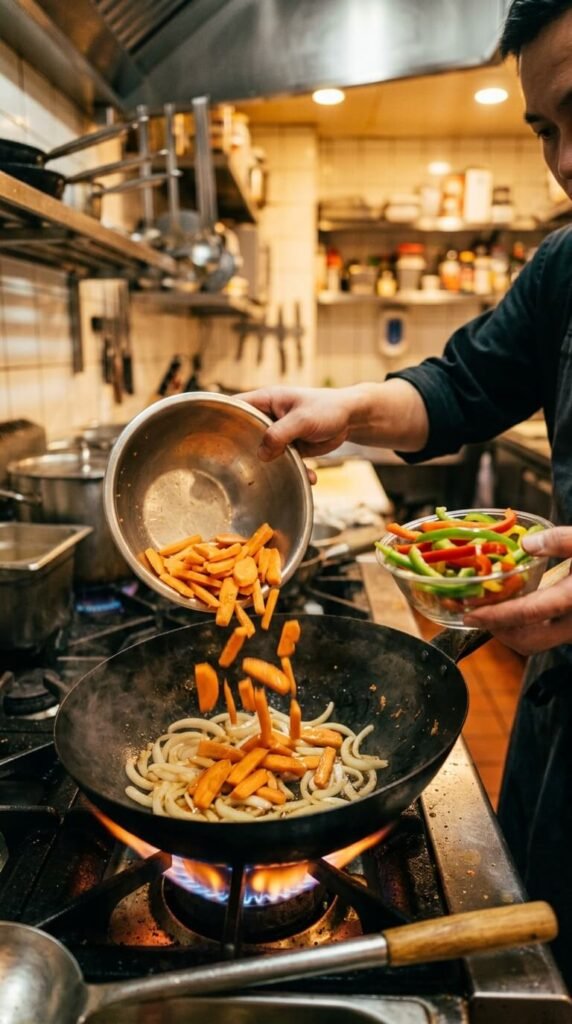
Stir fry needs high heat to work properly. Low heat steams food instead of searing it, leading to soggy results. Turn your burner up and keep it there through most of the cooking process. This method cooks food fast, which also means less time for nutrients to break down. If your stove doesn’t get very hot, use a cast iron pan—it holds heat well and gives a similar sear.
13. Make a Simple Sauce Base
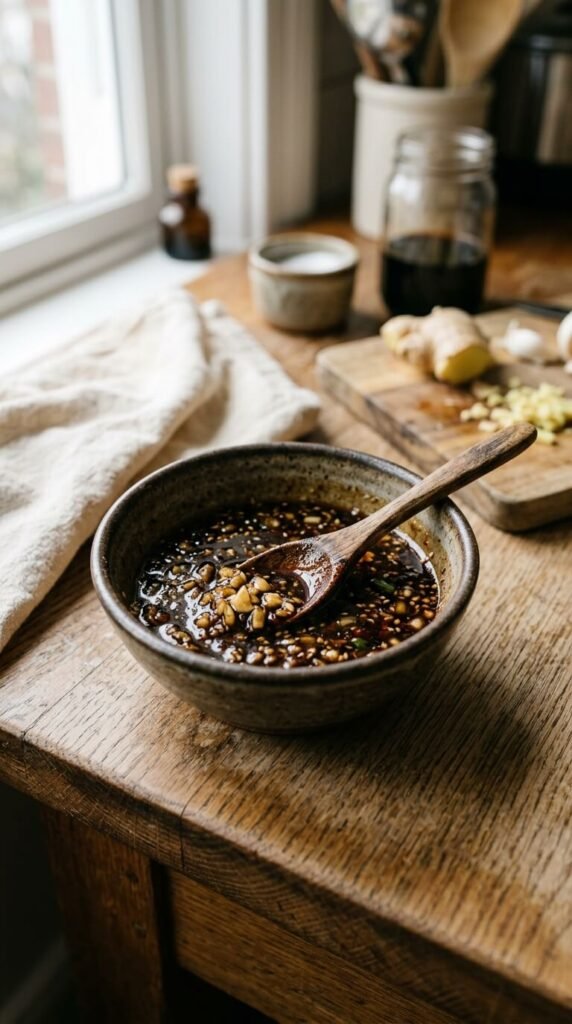
Skip bottled sauces loaded with sugar and preservatives. Mix soy sauce, a spoon of cornstarch, a little water, and a dash of sesame oil. This basic combo thickens nicely and coats every bite. Add garlic or ginger if you have them on hand. This homemade version costs less than store-bought bottles and lets you control the salt and sugar. Keep extra sauce in the fridge for up to a week.
14. Thicken Sauce with Cornstarch
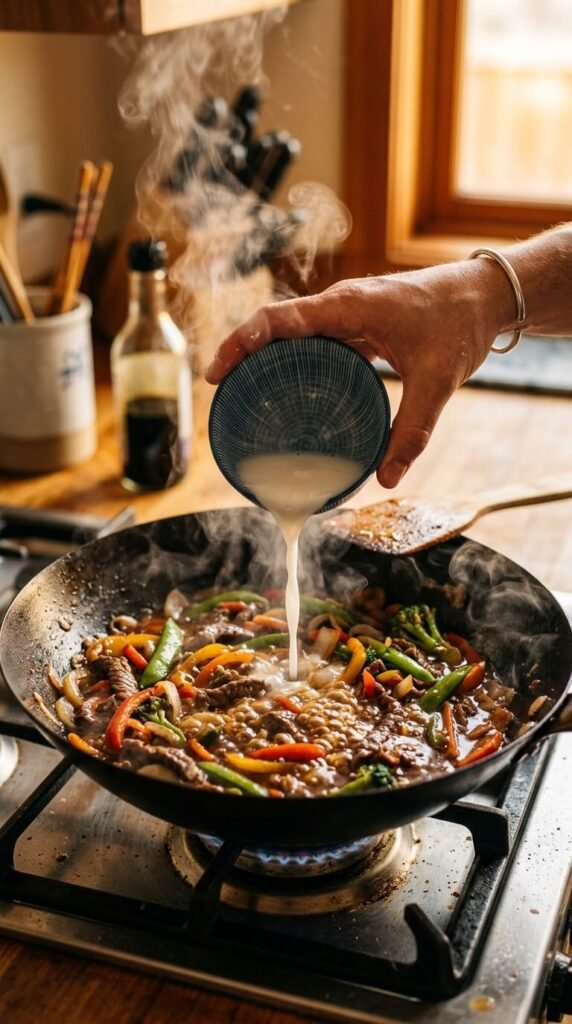
A cheap pantry staple does wonders here. Mix cornstarch with cold water before adding it to your pan—this stops clumping. Pour it in slowly while stirring, and watch the sauce thicken within a minute. Skip pricier thickeners like arrowroot unless you already have them. This trick gives your stir fry that glossy, restaurant-style finish without extra cost. A little goes a long way, so start with a teaspoon.
15. Add Garlic and Ginger Fresh
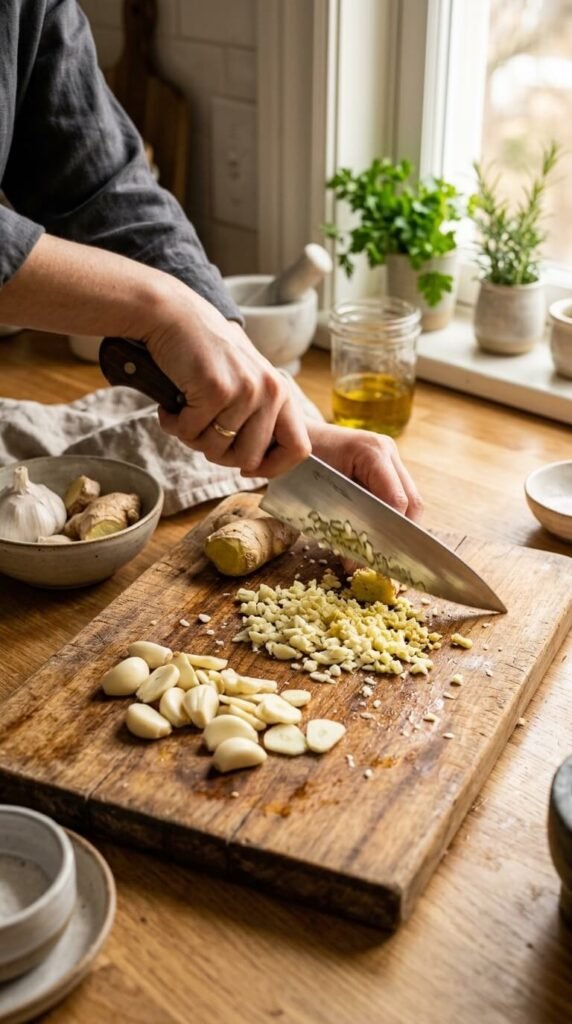
Fresh aromatics beat powdered versions every time. Mince garlic and ginger right before cooking for the strongest flavor. Add them near the end of cooking so they don’t burn—about 30 seconds before you’re done. A small piece of ginger and two cloves of garlic go a long way. Buy these in bulk and freeze extra portions in small bags. This keeps costs down while still giving you full flavor.
16. Toast Sesame Seeds for Garnish
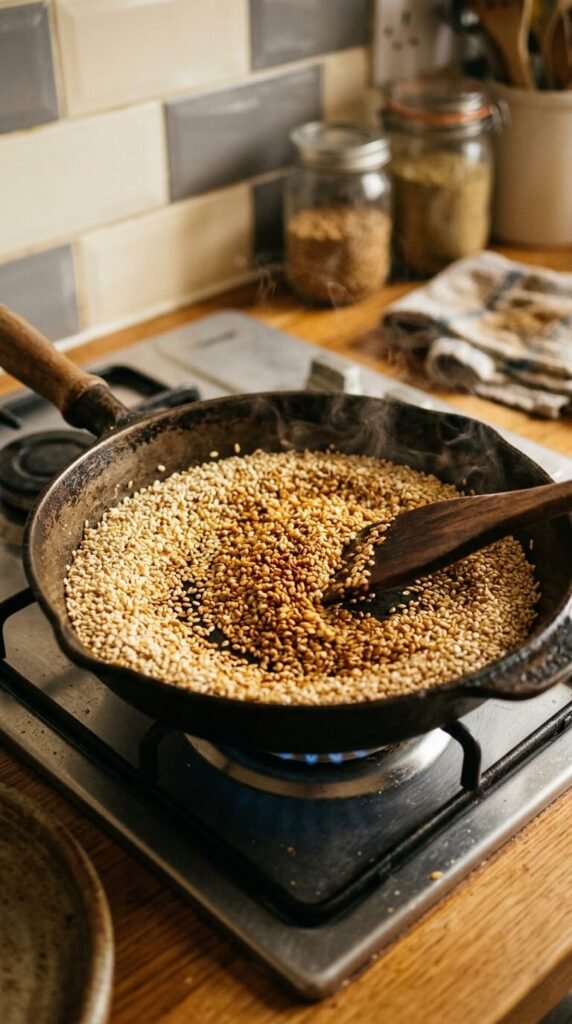
A small touch adds a lot. Toast sesame seeds in a dry pan for two to three minutes until golden. Sprinkle them over your finished stir fry for crunch and a nutty taste. This costs almost nothing and takes barely any time. Buy seeds in bulk from the bulk bins section—they’re cheaper than pre-packaged jars. Store extras in an airtight container so they stay useful for future meals.
17. Use Green Onions as a Finisher
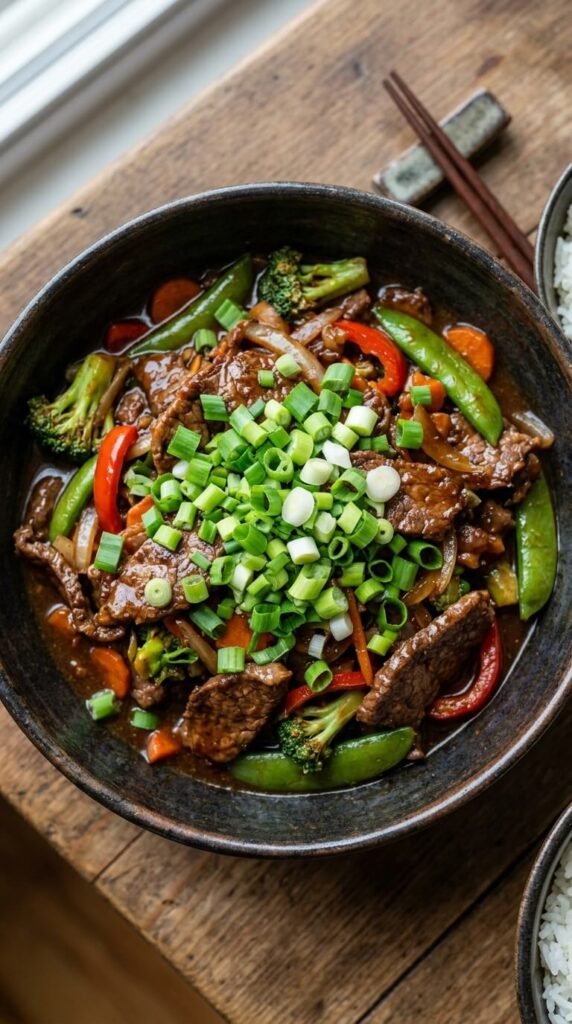
Green onions add color and mild flavor without much cost. Slice them thin and scatter over your dish right before serving. This finishing touch makes the plate look more complete. Buy a bunch for under a dollar and use both the white and green parts. Store leftover onions in a cup of water on your counter—they’ll regrow for weeks. This small habit stretches your grocery budget further.
18. Don’t Overcrowd the Wok
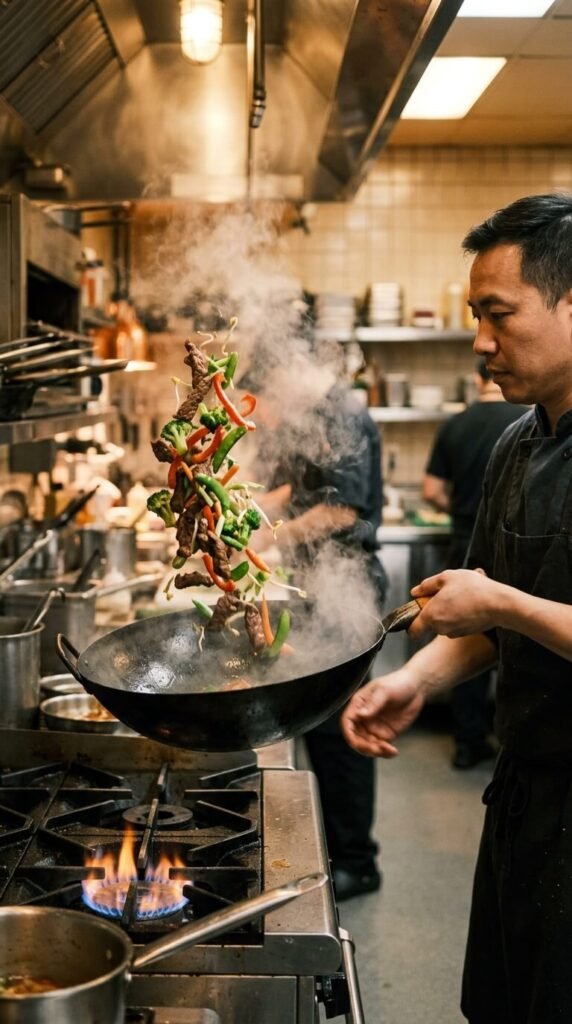
Give your ingredients room to breathe. A crowded pan traps steam and prevents that crisp sear stir fry needs. If your batch feels too big, split it into two rounds. This takes a few extra minutes but makes a noticeable difference in final texture. A wide pan or wok works better than a small skillet for this reason. Investing in a wider pan pays off if you cook stir fry often.
19. Rest the Beef Before Serving
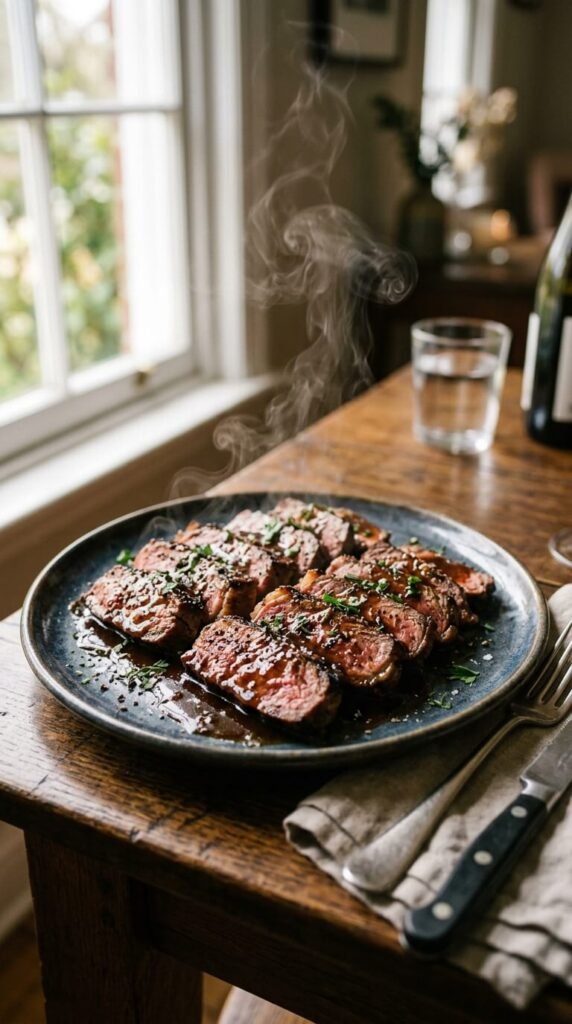
Patience here pays off in flavor. Let cooked beef rest for two minutes before mixing it back with vegetables. This lets juices settle instead of running out onto the plate. Skipping this step can leave your dish watery. It costs nothing and takes barely any time. Use this short pause to plate your rice or noodles, so everything comes together at once.
20. Serve Over Budget-Friendly Rice
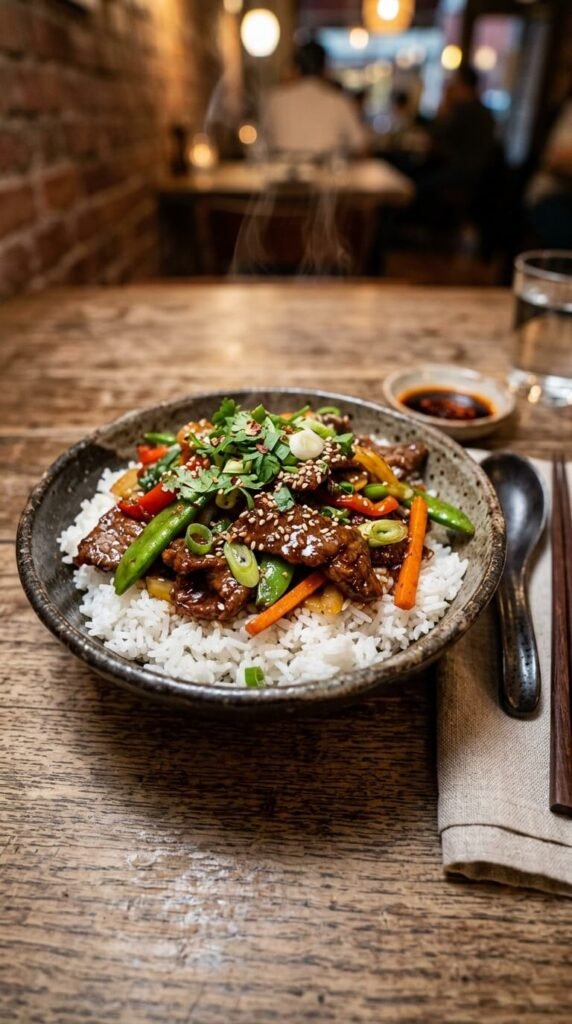
Rice stretches your meal further without adding much cost. Plain white rice works great and costs very little per serving. Buy it in bulk bags to save even more over time. Brown rice or even cauliflower rice work too if you want variety. Cook a big batch at the start of the week and store portions in the fridge. This turns one stir fry recipe into several meals across a few days.
21. Try Frozen Vegetables to Save Money
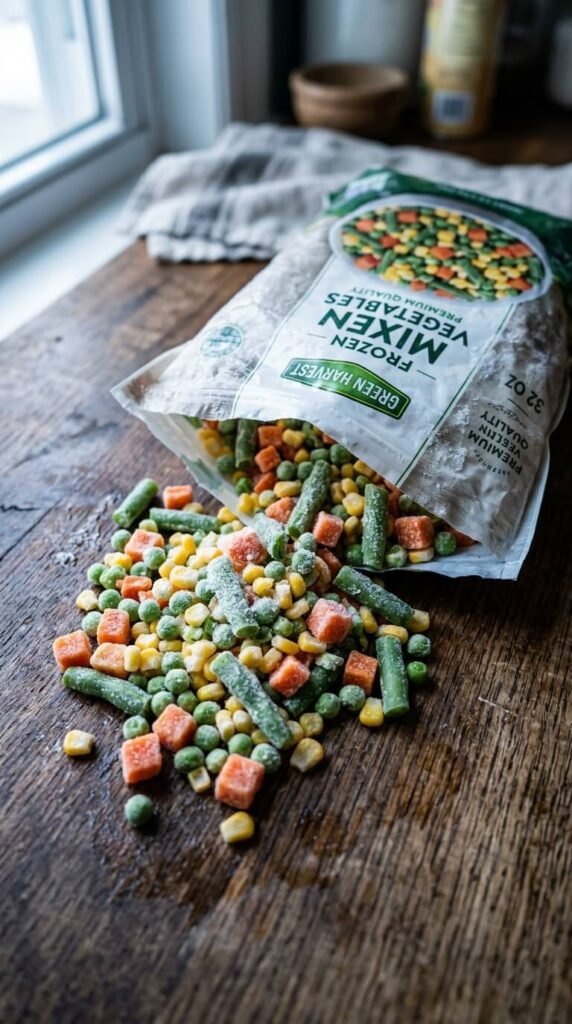
Frozen produce is a smart budget move. Frozen vegetables cost less than fresh, especially outside peak season, and they last much longer in your freezer. Toss them straight into your hot pan—no need to thaw first. They cook fast and hold their texture well when not overcooked. Stock up when bags go on sale. This swap saves money without sacrificing much in taste or texture.
22. Use Leftover Beef for Quick Meals
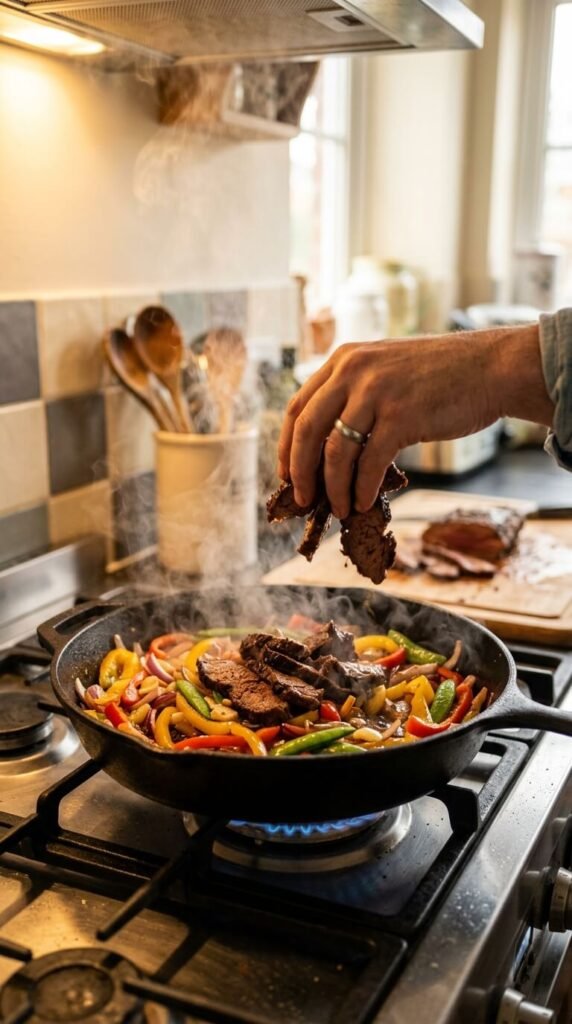
Don’t let extra meat go to waste. Leftover roast beef or steak works great in stir fry, cut into thin strips. Since it’s already cooked, just add it near the end to warm through. This method turns Sunday dinner leftovers into a whole new meal by midweek. It saves money and reduces food waste at the same time. Pair with fresh or frozen vegetables for a fast, affordable dinner.
23. Double the Recipe for Meal Prep
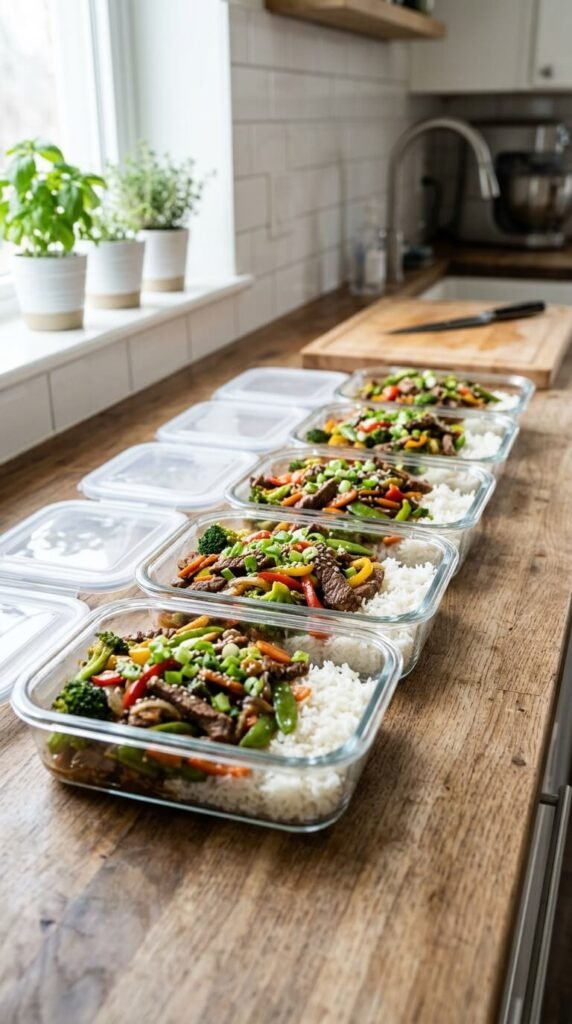
Cooking once, eating twice saves both time and money. Double your batch and portion leftovers into containers for lunches later in the week. Stir fry reheats well in a pan or microwave without losing much texture. This method cuts down on takeout spending and keeps meals interesting. Label containers with the date so you know what to eat first. A little planning goes a long way here.
24. Experiment with Sauce Variations
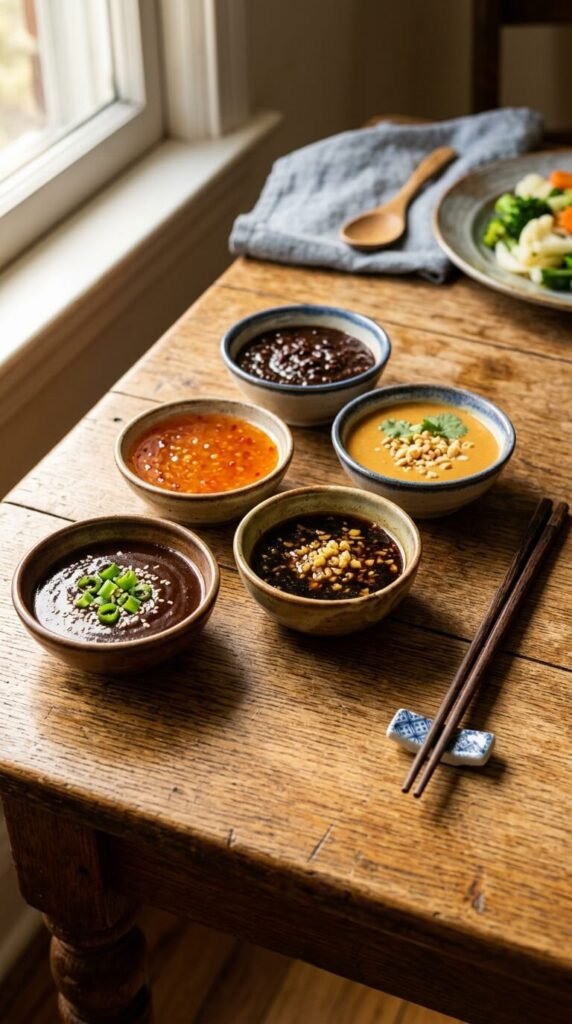
Keep things interesting by switching up your sauce. Try adding a spoon of peanut butter for a nutty twist, or a splash of orange juice for brightness. Small changes keep the same basic recipe from feeling repetitive. Use what’s already in your pantry rather than buying new bottles each time. This keeps costs low while giving your weekly meals some variety. A few tweaks go a long way toward keeping dinner fun.
Conclusion
Beef stir fry proves that a simple dinner can still taste great. With a few smart techniques—thin slicing, high heat, and staged cooking—you can turn budget ingredients into a meal that feels special. Keep your pantry stocked with soy sauce, cornstarch, garlic, and rice, and you’ll always have the makings of a fast dinner on hand. Try a few of these tips this week, mix and match your favorite vegetables, and build a stir fry routine that works for your schedule and your wallet.