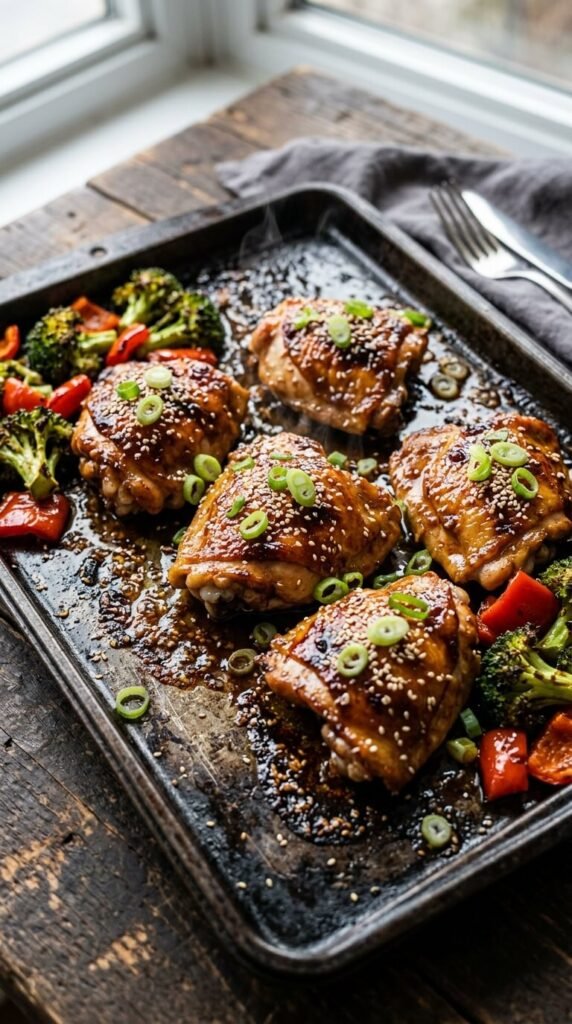
Takeout teriyaki chicken tastes good, but it comes with a wait, a delivery fee, and a sauce packet full of mystery sugar. A sheet pan version skips all three. One pan goes in the oven, the chicken comes out glazed and sticky, and the vegetables roast right alongside it in the same fat and sauce. No extra pots. No extra cleanup. This list rounds up 27 ways to build that dish at home — different proteins, different glazes, different vegetable pairings, and a few kitchen tricks that make the sauce cling instead of run off the pan. Some ideas use pantry basics you already own. Others swap in a cheaper cut of chicken or a shortcut ingredient to keep the grocery bill low. Pick one, or work through the whole list, and dinner stops being something you order and starts being something you make in under 45 minutes.
1. Pineapple Teriyaki Chicken Thighs
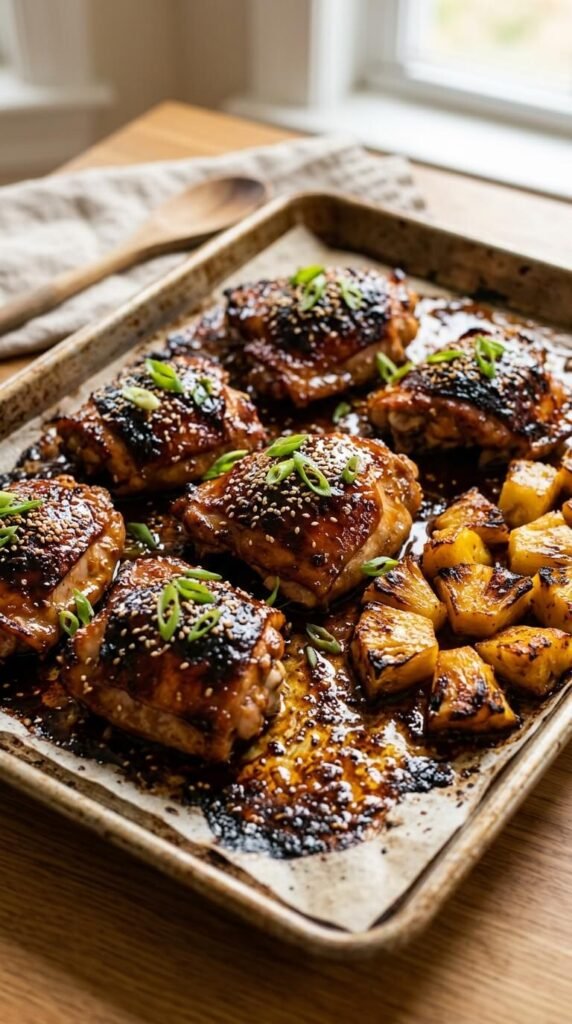
Chicken thighs handle high heat better than chicken breast. They stay juicy even after 35 minutes in a hot oven. Add canned pineapple chunks to the pan in the last 15 minutes, and they turn soft and slightly charred at the edges. That charring adds a real caramel flavor without any extra sugar. Buy the pineapple in juice, not syrup, and save the leftover juice for your next batch of teriyaki sauce. This swap alone stretches one chicken pack into a bigger meal. Serve over rice and spoon the pan juices on top. It costs less than takeout and feeds more people.
2. Honey Garlic Teriyaki Drumsticks
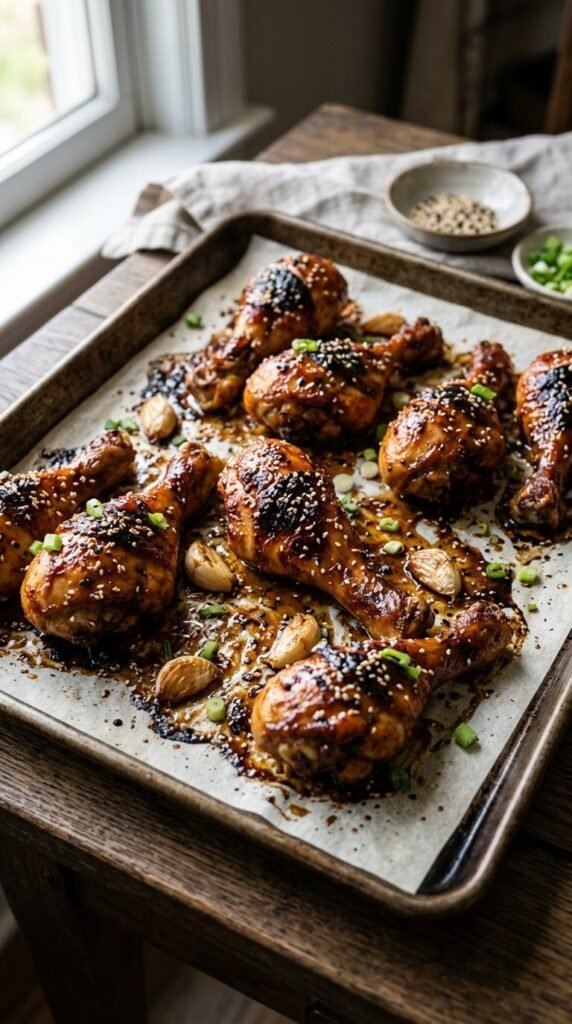
Drumsticks cost less per pound than boneless cuts, and they hold glaze in every groove of the bone. Mix honey, soy sauce, minced garlic, and a splash of rice vinegar for the base sauce. Brush it on twice — once before roasting and again halfway through. That second coat is what gives you a sticky, lacquered finish instead of a dry one. Bake at 425°F until the skin turns dark golden and the sauce bubbles at the edges. Buy garlic in bulk and mince extra to freeze in ice cube trays. It’s a small habit that keeps this dish cheap every week.
3. Spicy Sriracha Teriyaki Chicken
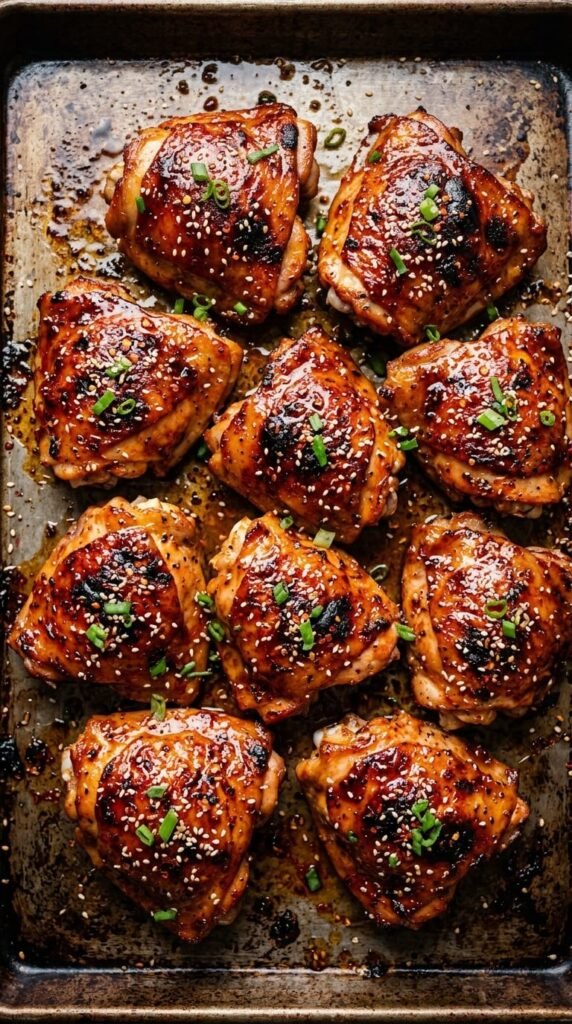
A few spoonfuls of sriracha turn a plain teriyaki glaze into something with real heat. Start small — one tablespoon per half cup of sauce — and taste before adding more. The sugar in the teriyaki base balances the chili so it never turns harsh. This works well with chicken thighs since the fat holds the spice without drying out. Roast at high heat and finish with a quick broil for two minutes to darken the glaze. If the heat gets too strong for kids at the table, keep a plain batch of sauce on the side for drizzling instead of mixing it in.
4. Sesame Ginger Teriyaki Chicken Bites
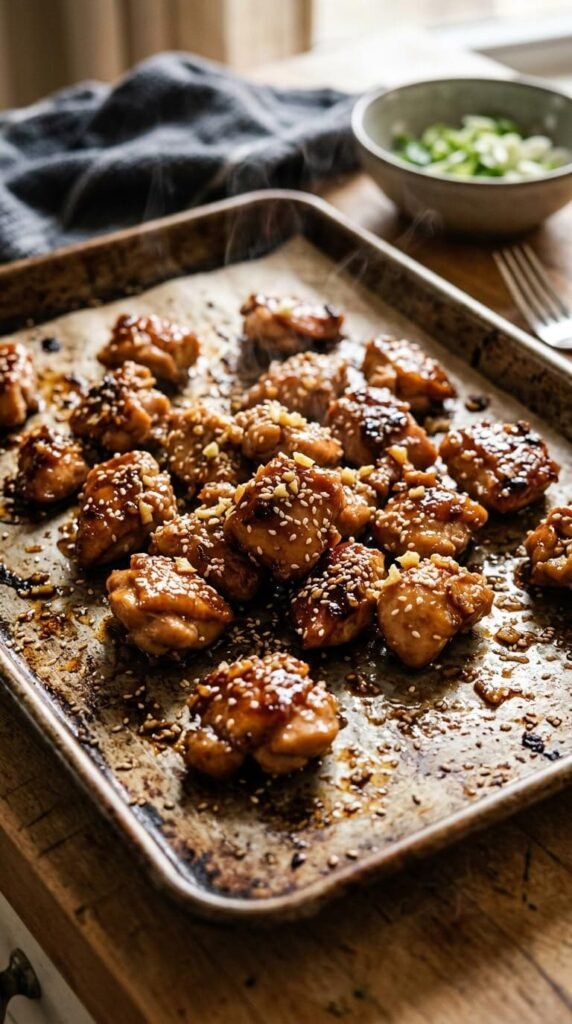
Cut chicken thighs into bite-size pieces before roasting, and they cook in half the time of a whole thigh. Toss the pieces in grated ginger, soy sauce, and a spoon of brown sugar before they hit the pan. Spread them out so they don’t crowd — crowding steams the meat instead of browning it. Ginger root keeps for weeks in the freezer, so buy one piece and grate it as needed instead of tossing half a bunch. These bites work as a main dish over rice or as a party snack with toothpicks. Kids tend to eat these faster than any other version here.
5. Teriyaki Chicken and Broccoli Sheet Pan
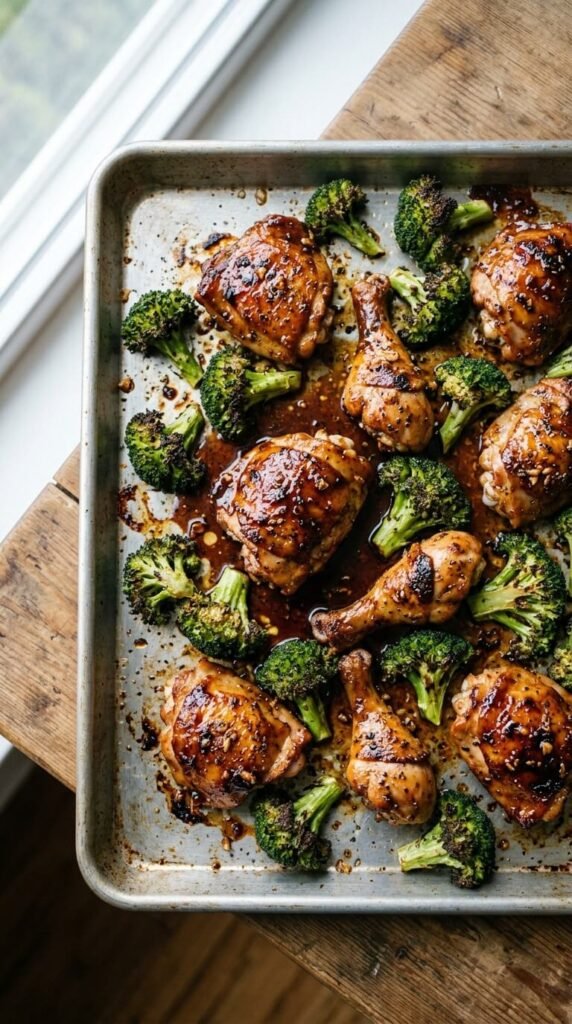
Broccoli roasts well next to chicken because it soaks up the sauce that drips down as the chicken cooks. Cut the florets to a similar size so they roast evenly. Toss them in a little oil first so they don’t dry out under high heat. Add the broccoli halfway through cooking — it only needs about 15 minutes, while the chicken needs closer to 30. Frozen broccoli works too, just pat it dry first so it roasts instead of steaming. This combination covers protein and vegetables on one pan, which keeps the grocery list short and the cleanup down to a single tray.
6. Pineapple Bell Pepper Teriyaki Skewers
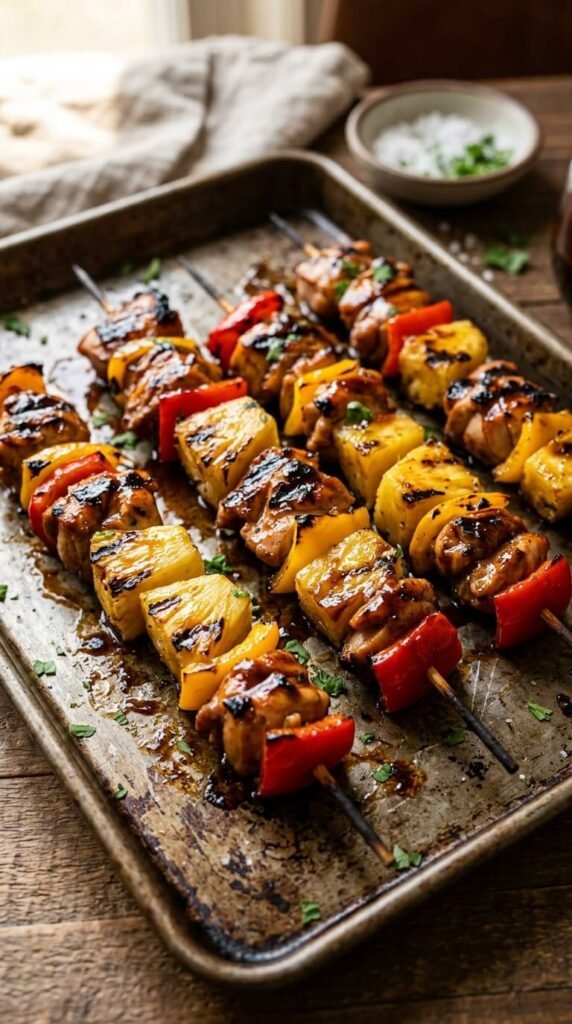
Skewers make portion control simple, and they roast faster than whole pieces of chicken. Thread chicken chunks, pineapple, and bell pepper onto wood skewers soaked in water for 20 minutes so they don’t burn. Lay them flat on the sheet pan and turn once halfway through. The bell peppers add color and a slight sweetness once roasted. Buy peppers when they’re on sale and freeze the extra chopped pieces for later batches. This version looks more put-together than a plain tray of chicken, which makes it a good pick when you’re cooking for guests without extra cooking time.
7. Teriyaki Chicken Thighs with Bok Choy
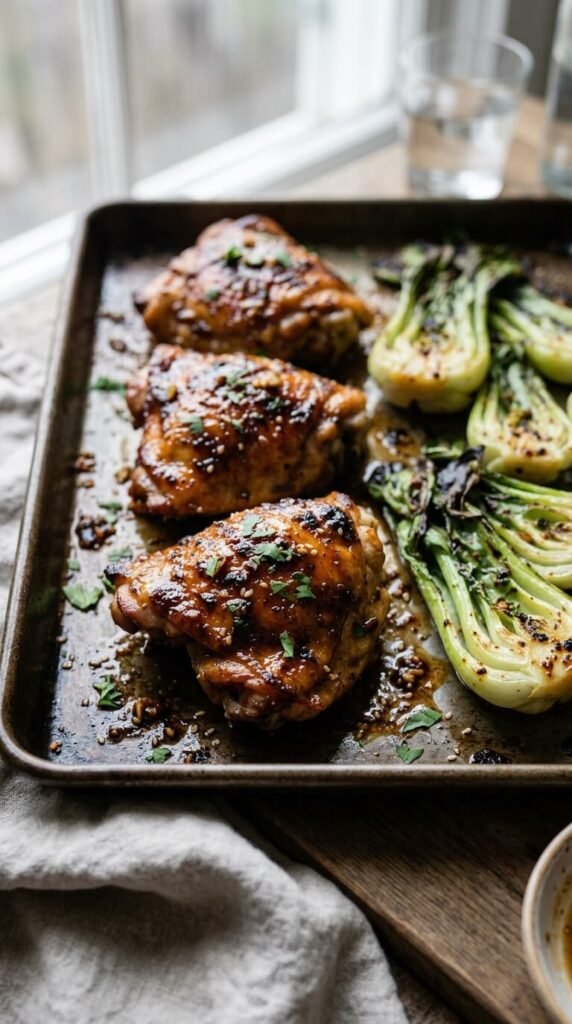
Bok choy cooks fast, so add it in the last 10 minutes only. Cut the heads in half lengthwise and lay them cut-side down so they pick up color from the pan. The leaves char slightly while the stems stay a little crisp — that contrast is the whole point. Bok choy is cheaper than most greens at Asian grocery stores, so check there first before a regular supermarket. Drizzle a little extra sauce over the bok choy right before serving since it doesn’t absorb as much glaze as the chicken does. This pairing feels closer to a restaurant plate than most homemade dinners.
8. Orange Teriyaki Chicken Wings
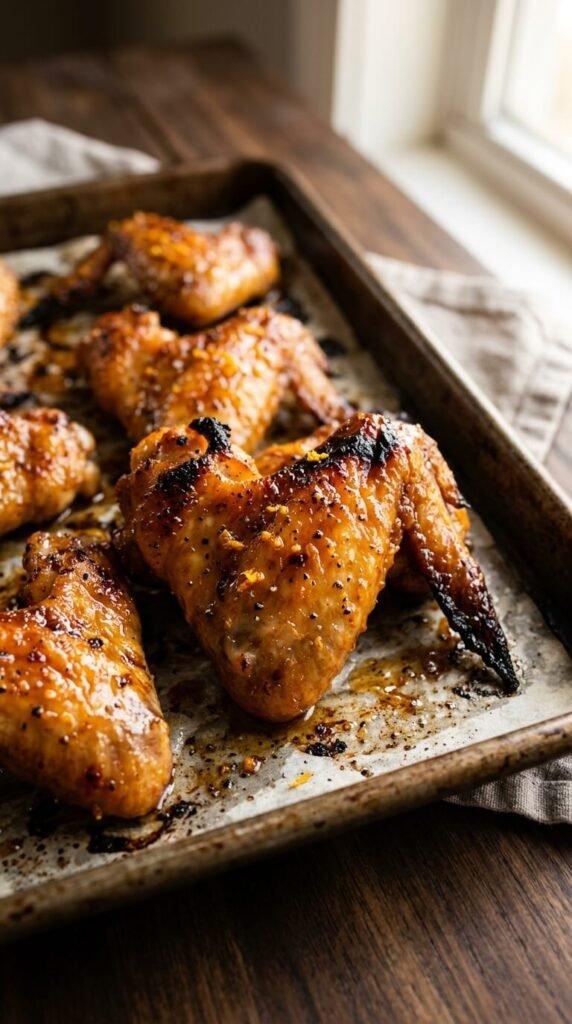
Orange zest and juice replace some of the sugar in a regular teriyaki sauce, so the wings taste bright instead of just sweet. Zest the orange before juicing it, and don’t skip that step — the zest carries most of the flavor. Wings do best in a hot oven, close to 425°F, and a wire rack under them helps the skin turn crisp instead of soggy from sitting in sauce. One orange covers a full batch, so this swap barely changes your grocery bill. Serve with the extra orange wedges on the side for anyone who wants a stronger citrus taste.
9. Teriyaki Chicken with Snap Peas and Carrots
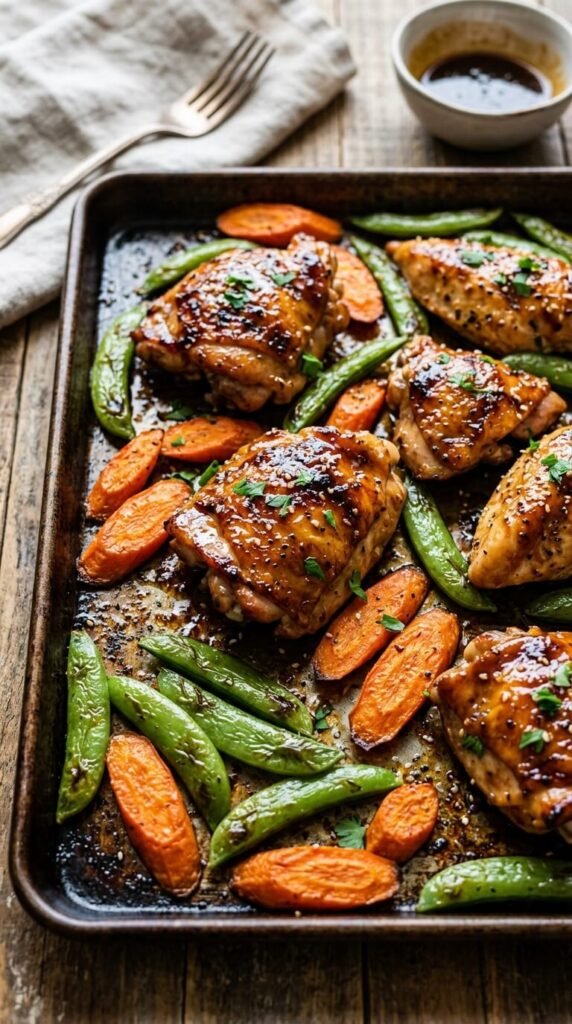
Snap peas and carrots roast in almost the same time as chicken thighs, so you can add them to the pan from the start. Slice carrots thin so they cook through — thick rounds stay hard even after 30 minutes. Snap peas take barely any prep, just a rinse and a trim. Both vegetables cost little at any grocery store, and they hold up well in the fridge for a week if bought ahead. The color on the plate alone makes this version feel like more effort than it actually takes. It’s one of the cheapest full meals on this list.
10. Low-Sodium Teriyaki Chicken for Weeknights
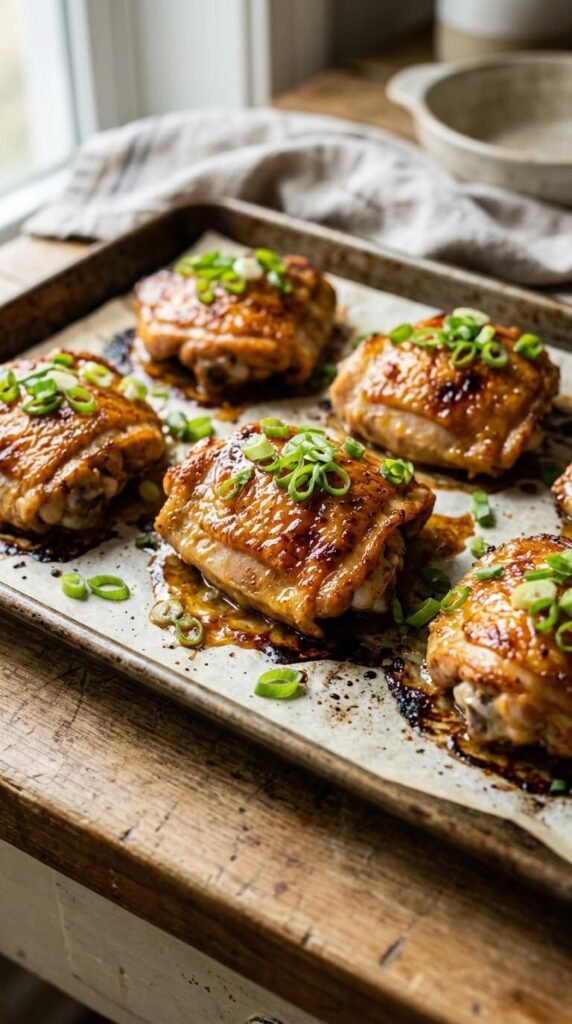
Store-bought teriyaki sauce packs in a lot of sodium, but a homemade version lets you control that. Swap regular soy sauce for a low-sodium type, and cut the added salt out completely — the soy sauce already carries plenty. Add a spoon of rice vinegar to keep the flavor sharp even with less salt. This version works well for anyone watching sodium for health reasons, or just anyone who thinks regular teriyaki tastes too heavy. It costs the same to make as the regular version, since the swap is a bottle choice, not an extra ingredient. Taste as you go and adjust slowly.
11. Teriyaki Chicken Meal Prep Bowls
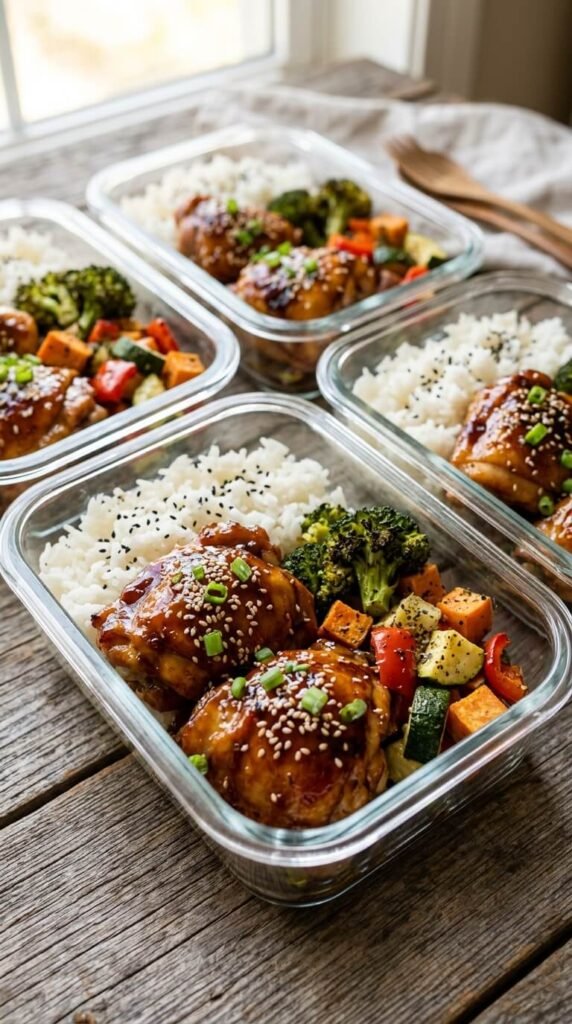
One sheet pan of teriyaki chicken can turn into four or five lunches for the week. Roast a double batch of chicken thighs and vegetables at once, then split them into containers with plain rice. Keep the sauce in a small side container if you’re prepping more than two days ahead — it keeps the chicken from getting soggy in the fridge. Reheat with a splash of water so the sauce loosens back up instead of drying out in the microwave. This habit alone can replace a week of workday takeout orders, which adds up to real savings by the end of the month.
12. Coconut Teriyaki Chicken Thighs
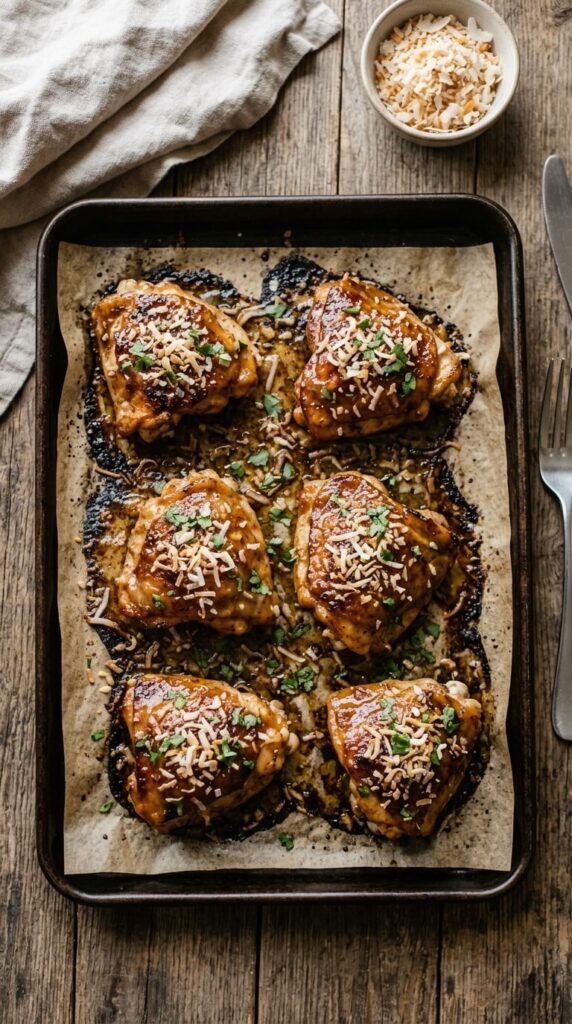
A spoon of coconut milk stirred into the teriyaki sauce gives it a rounder, softer taste. It also thickens the glaze slightly, so it clings to the chicken better than a thin sauce would. Canned coconut milk keeps for months unopened, so it’s worth having on hand even if you only use it occasionally. Toast a handful of coconut flakes in a dry pan for two minutes and sprinkle them on top before serving — that small step adds crunch and makes the dish look far more finished than the effort it actually took. This version pairs well with jasmine rice.
13. Teriyaki Chicken with Roasted Sweet Potatoes
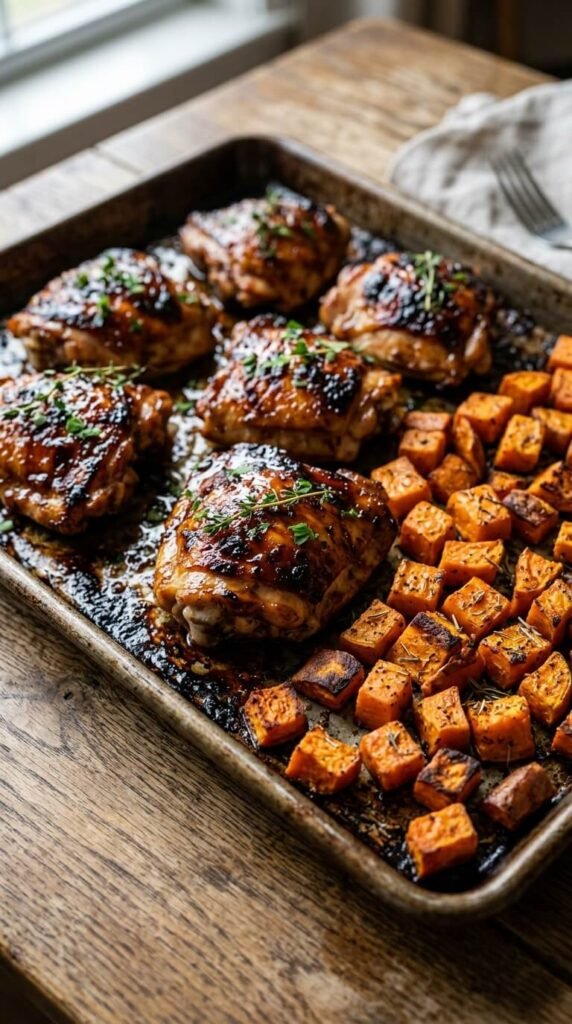
Sweet potatoes take about the same time to roast as chicken thighs, so they go on the pan together from the start. Cut them into even one-inch cubes so they cook at the same rate. The natural sugar in sweet potatoes caramelizes under high heat, which pairs well with the sweetness already in the teriyaki glaze. Buy them in bulk bags when they’re cheaper per pound, and store the extras in a cool, dark spot instead of the fridge. This combination fills you up without needing a side of rice, which cuts one more cost off the weekly grocery list.
14. Five-Spice Teriyaki Chicken
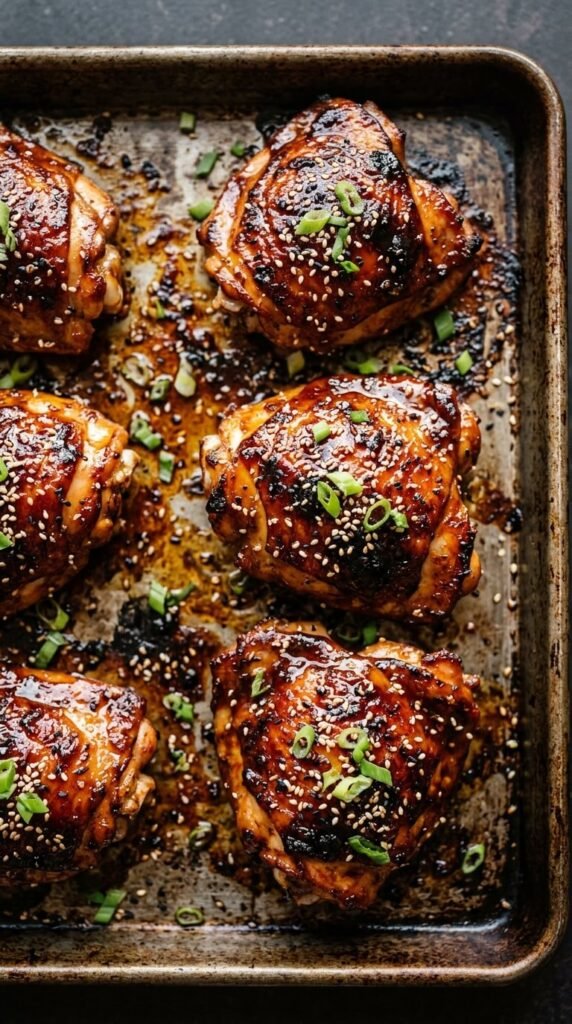
A pinch of five-spice powder changes the whole personality of a basic teriyaki sauce. It adds a warm, slightly licorice note from the star anise in the mix. Use it sparingly — a quarter teaspoon per half cup of sauce is plenty, since the flavor is strong. This spice jar lasts a long time in the pantry, so the cost per use is close to nothing. Mix it into the sauce before brushing, not after, so the flavor cooks into the glaze instead of sitting on top. This version tastes closer to a restaurant dish than any other on this list.
15. Teriyaki Chicken with Charred Green Onions
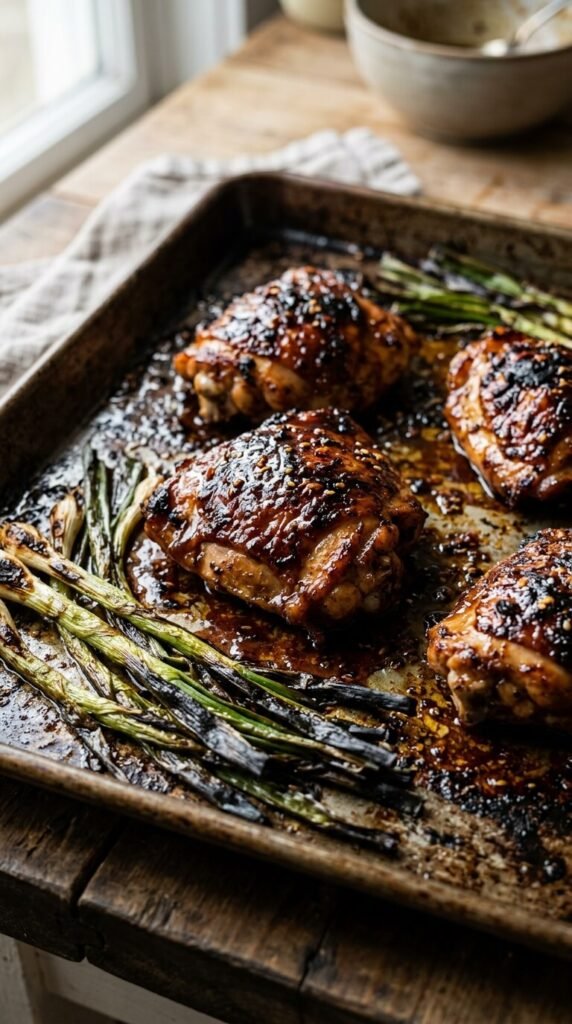
Whole green onions roasted alongside the chicken turn soft and slightly smoky once their tips char. Lay them on the pan in the last 10 minutes so they don’t burn all the way through. They cost very little and use up a bunch you might otherwise let go bad in the fridge. Chop the charred onions roughly and scatter them over the finished dish instead of using raw scallions — the roasted version has a deeper, less sharp flavor. This small step turns a basic tray of chicken into something with more texture, and it barely adds any time to the cooking process.
16. Double-Glazed Teriyaki Chicken
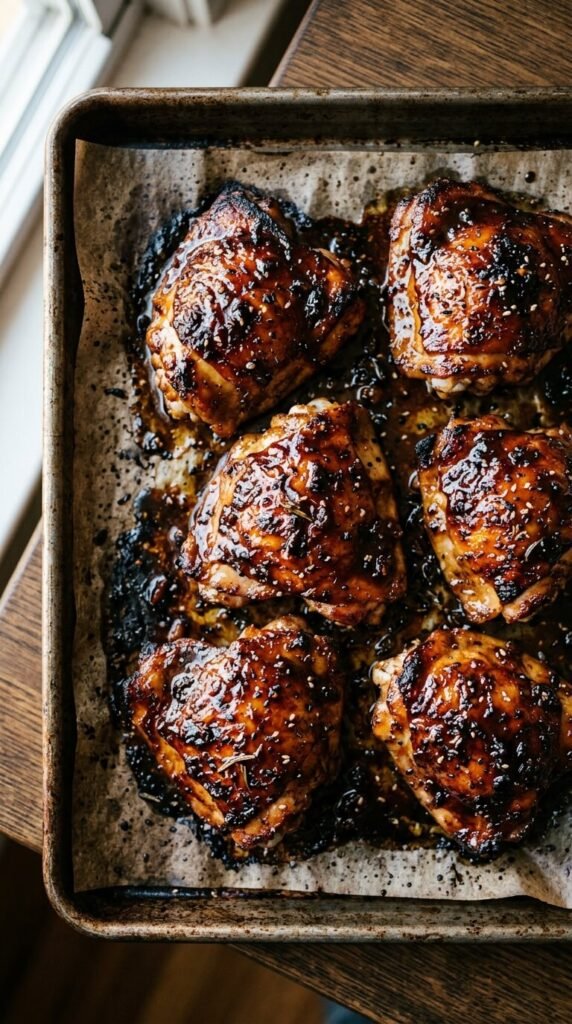
One coat of sauce gives you flavor. Two coats give you a real glaze. Brush the chicken with sauce before it goes in the oven, then brush it again at the halfway mark. That second layer catches the heat and turns sticky instead of just sitting wet on the surface. Keep a small bowl of sauce set aside just for brushing — never reuse the bowl that touched raw chicken without boiling it first. This two-step method costs nothing extra since it uses the same sauce you already made. It’s the single easiest change that makes homemade teriyaki taste like the restaurant version.
17. Teriyaki Chicken with Pineapple Rings on Top
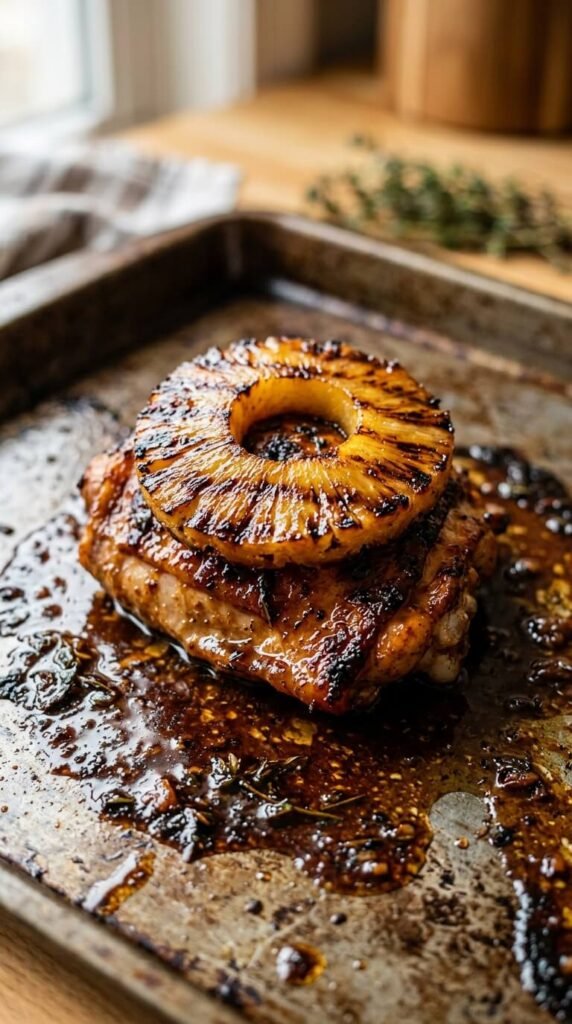
Laying a full pineapple ring directly on top of each chicken thigh makes the dish look like something plated at a restaurant. The ring chars slightly on top while the underside soaks up the chicken’s juices. Use canned rings packed in juice, and save the liquid for the sauce instead of pouring it out. This trick works especially well when you’re cooking for guests, since it turns a plain tray into something that looks planned. It doesn’t change the cooking time by more than a few minutes, and the pineapple itself costs less than most other fruit toppings would.
18. Teriyaki Chicken and Asparagus Sheet Pan
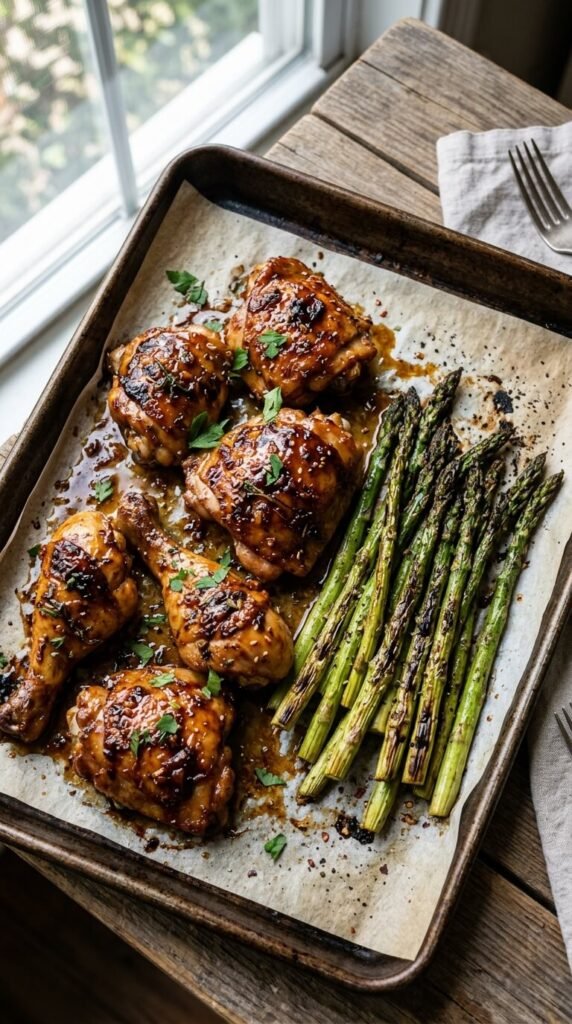
Asparagus roasts fast, so it only belongs on the pan for the last 10 to 12 minutes. Trim the woody ends before cooking — just snap each stalk where it naturally breaks. Thin spears work better here than thick ones since they char instead of turning limp. Asparagus goes on sale in spring, so buy extra during that stretch and freeze what you don’t use right away. The bright green color against the brown glaze makes this one of the better-looking versions on this list, even though it takes almost no extra effort compared to a plain tray of chicken.
19. Brown Sugar Teriyaki Chicken
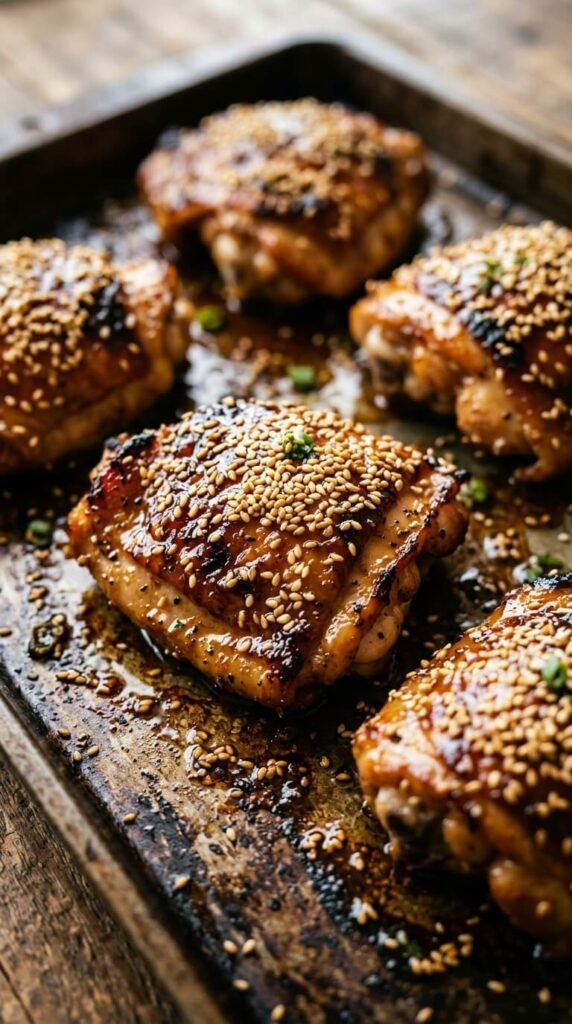
Brown sugar melts into a deeper, stickier glaze than white sugar or honey. It’s also usually the cheapest sweetener sitting in most pantries already. Pack it into the sauce mix along with soy sauce and a splash of vinegar to cut the sweetness. Watch the pan closely in the last five minutes — sugar burns fast once the glaze starts to bubble hard. If the edges darken too quickly, loosely tent a piece of foil over the pan for the remaining time. This version leans sweeter than most, which makes it a good pick for kids or picky eaters at the table.
20. Teriyaki Chicken with Toasted Sesame Seeds
Toasting sesame seeds before sprinkling them on takes two minutes in a dry pan, and it makes a real difference. Raw seeds taste flat. Toasted ones turn nutty and add a little crunch against the soft glazed chicken. Watch them closely over medium heat — they go from pale to burnt fast. A small bag of sesame seeds lasts through dozens of meals, so the cost per use is close to nothing. Sprinkle them on right before serving, not before baking, so they keep their crunch instead of softening under the sauce. It’s a small step that changes the whole texture of the dish.
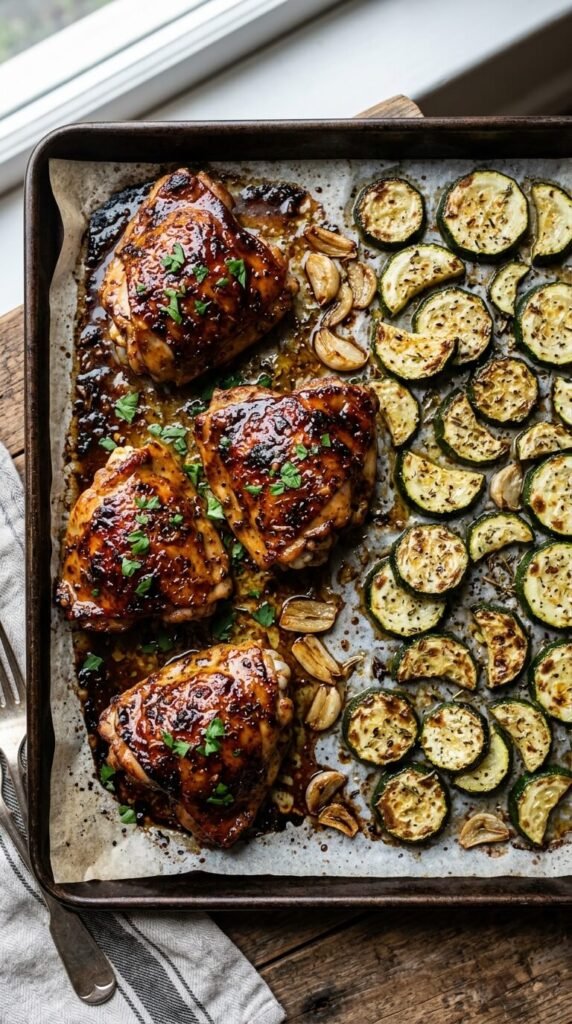
21. Garlic Teriyaki Chicken Thighs with Zucchini
Zucchini holds a lot of water, so slice it thick — about half an inch — or it turns mushy under the sauce. Add whole garlic cloves to the pan and let them roast until soft; they turn sweet and spreadable instead of sharp. Zucchini is one of the cheaper vegetables through summer months, so this version costs less to make during that stretch of the year. Toss the zucchini in a little oil separately before adding it to the pan so it doesn’t sit directly in pooled sauce, which can make it soggy instead of roasted. Serve everything together straight off the tray.
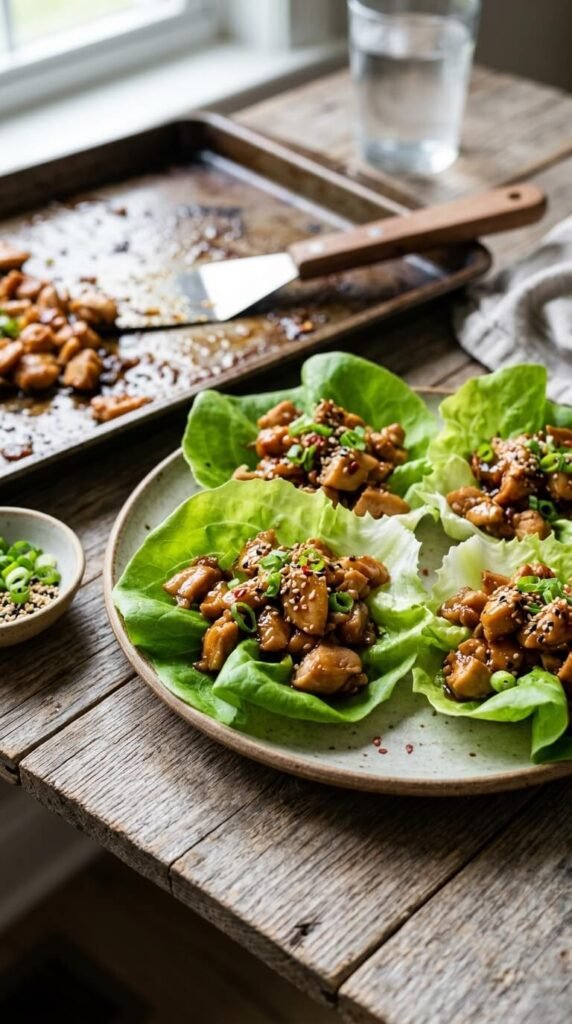
22. Teriyaki Chicken Lettuce Wraps
Chop the roasted chicken into small pieces once it’s done, and pile it into whole lettuce leaves instead of serving it over rice. Butter lettuce or iceberg both work — just pick leaves large enough to fold around a spoonful of filling. This turns the same sheet pan recipe into a lighter meal without changing a single ingredient in the sauce. One head of lettuce costs little and stretches across several servings. Add shredded carrot or chopped scallion on top for extra crunch. This version works well for anyone trying to cut back on rice or bread without giving up flavor.
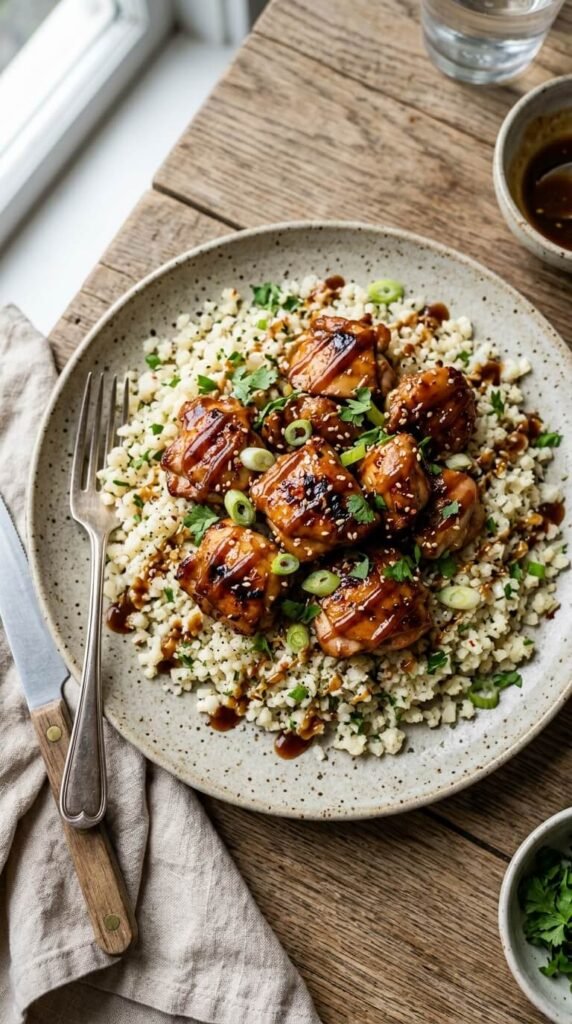
23. Teriyaki Chicken with Cauliflower Rice
A bag of frozen cauliflower rice swaps in for regular rice without much extra work. Cook it in a dry pan for a few minutes so the water cooks off — skipping this step leaves it watery under the sauce. Frozen bags cost about the same as a bag of regular rice, sometimes less when on sale. This version cuts the carbs in the meal without changing anything about how the chicken itself gets cooked. Spoon the extra pan sauce over the cauliflower rice generously, since it doesn’t have much flavor of its own and depends on the glaze to carry the dish.
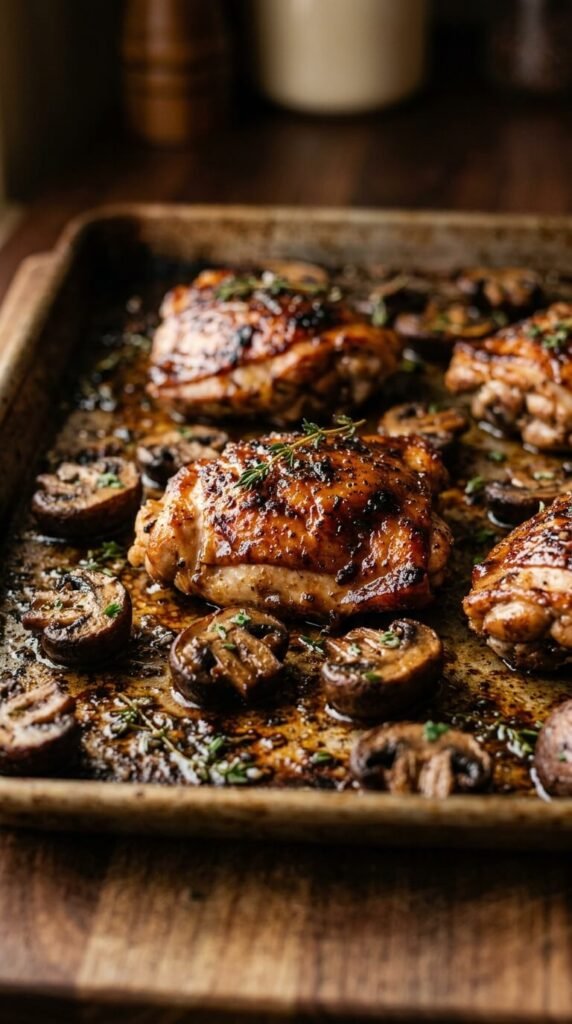
24. Teriyaki Chicken with Mushrooms
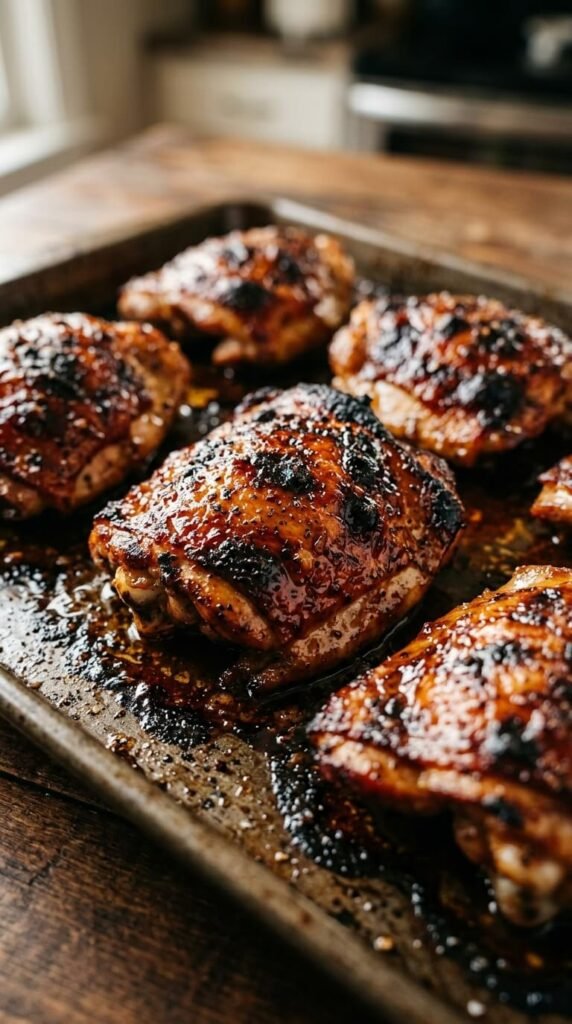
Mushrooms soak up teriyaki sauce better than almost any other vegetable on this list. Cut them in half so more surface area touches the pan and the sauce. Cremini mushrooms hold their shape better than white button ones, but either works fine for this. Buy the loose ones instead of the pre-packaged trays — they’re usually cheaper per pound at most grocery stores. Add them to the pan around the same time as the chicken since they take close to the same 25 to 30 minutes to roast through. The mushrooms end up tasting almost as good as the chicken by the end.
25. Teriyaki Chicken with Crispy Skin
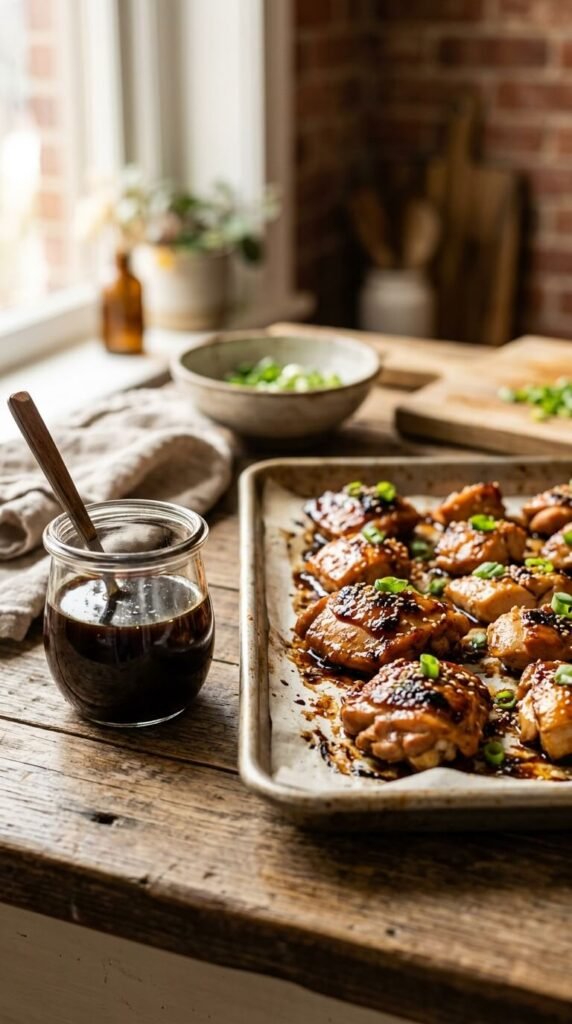
Roasting alone can leave the skin soft under all that sauce. A two-minute broil at the very end fixes that. Pull the pan out once the chicken is fully cooked, brush on one last light coat of sauce, then broil on high with the oven door cracked slightly open so you can watch it closely. It burns fast, so don’t walk away. This step costs nothing extra and takes barely any time, but it’s the difference between a soft, sauce-heavy piece of chicken and one with real texture on the outside. Skin-on thighs work best — skinless pieces won’t crisp the same way.
26. Homemade Teriyaki Sauce from Pantry Staples
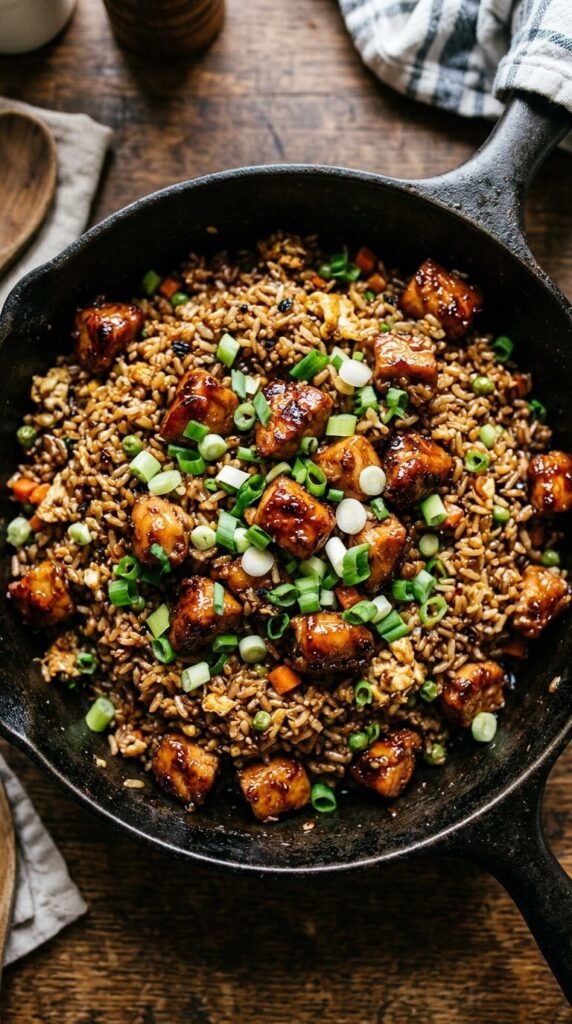
A bottle of store-bought teriyaki sauce usually costs more than the ingredients to make it at home. Soy sauce, brown sugar, garlic, ginger, and a little cornstarch to thicken — that’s the whole list. Most of these sit in a pantry already, unopened for months at a time. Mix equal parts soy sauce and water, add two spoons of brown sugar, and whisk it over low heat until it thickens slightly. Store extra in a jar in the fridge for up to two weeks. Making a double batch on a Sunday means the rest of the week’s dinners are already halfway done.
27. Leftover Teriyaki Chicken Fried Rice
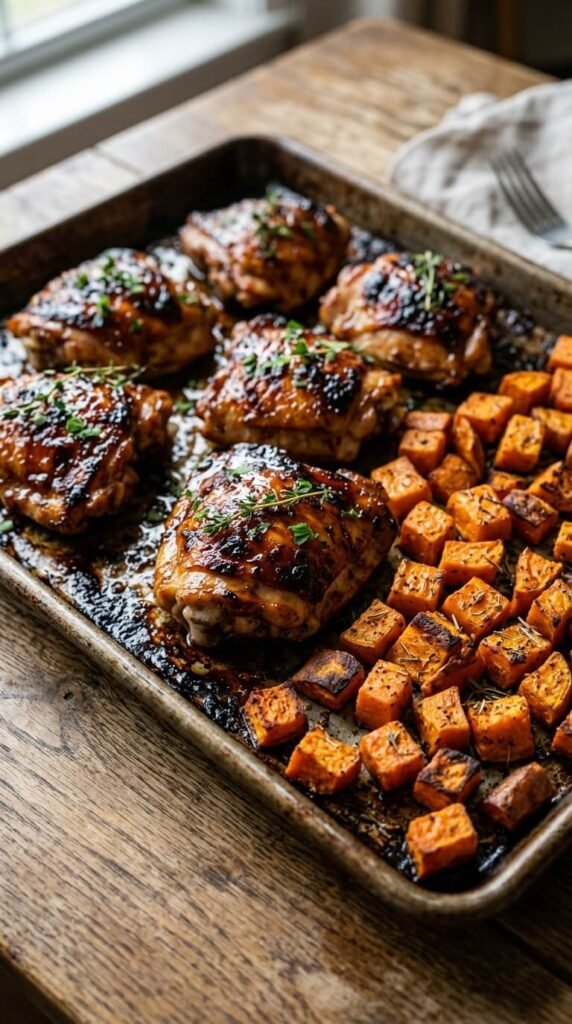
Leftover sheet pan chicken turns into a whole second meal the next day. Chop it small, and fry it with day-old rice, a scrambled egg, and whatever vegetables are sitting in the fridge. Day-old rice works better than rice made the same day, since the grains dry out slightly and fry instead of clumping together. A splash of the leftover teriyaki sauce replaces regular soy sauce in the fried rice, so the flavor carries over without any new ingredients. This turns one sheet pan dinner into two full meals, which cuts your weekly grocery cost by roughly half compared to cooking every dinner from scratch.
Conclusion
Sheet pan teriyaki chicken solves the same problem takeout does, minus the wait and the price markup. One pan, one oven, and a sauce you control from the first ingredient to the last brush stroke. Whether you stick with a classic pineapple version or try the double-glaze method, every idea on this list uses ingredients most kitchens already stock. Start with one or two variations this week. Keep the ones that fit your schedule and your grocery budget, and build a rotation from there. The oven does most of the work — all you’re doing is choosing what goes on the pan.