Imagine opening your fridge on a Wednesday night — exhausted, hungry, and completely out of ideas — and finding five ready-to-eat meals just waiting for you. No stress. No takeout. No 45-minute cook time. That’s the magic of batch cooking, and once you start, you’ll never look back.
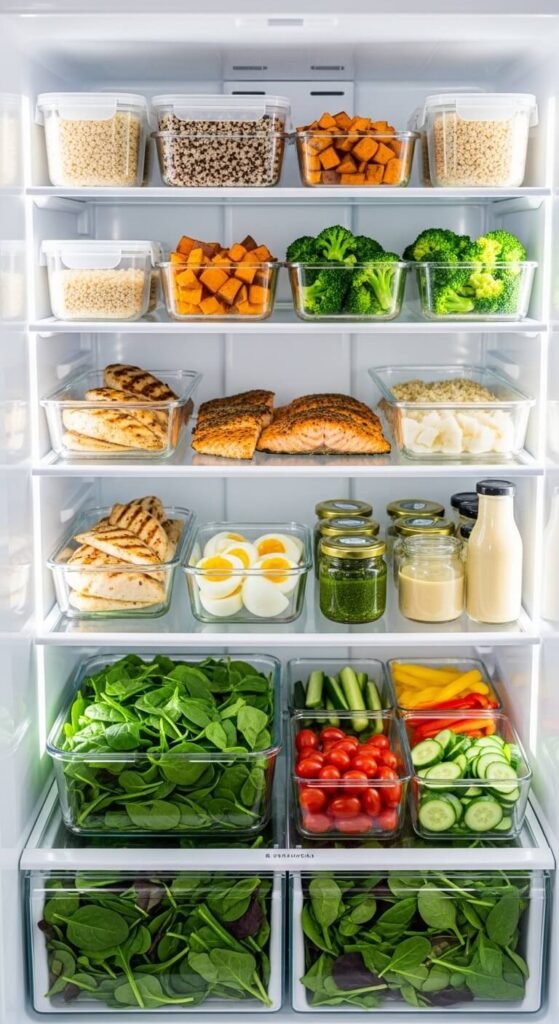
Batch cooking isn’t about eating the same sad meal on repeat. It’s about working smarter in the kitchen so you reclaim your evenings, eat healthier, and actually enjoy food again. Here’s exactly how to make it work for you.
Step 1: Plan Before You Shop
The biggest mistake people make? Jumping straight into cooking without a plan. Batch cooking only saves time if you know what you’re making ahead of time.
- Pick 2–3 proteins (e.g., chicken thighs, ground turkey, hard-boiled eggs)
- Choose 2 grains or starches (e.g., brown rice, roasted sweet potatoes)
- Select 3–4 versatile vegetables that roast, sauté, or eat raw
- Pick 1–2 sauces or dressings to mix things up throughout the week
Write your list, check what you already have, and shop with intention. A focused grocery run takes 20 minutes. A wandering one takes an hour.
Step 2: Set Up Your Kitchen Like a Pro
Before you turn on a single burner, get everything prepped and in place. Batch cooking is all about parallel cooking — running multiple things at once.
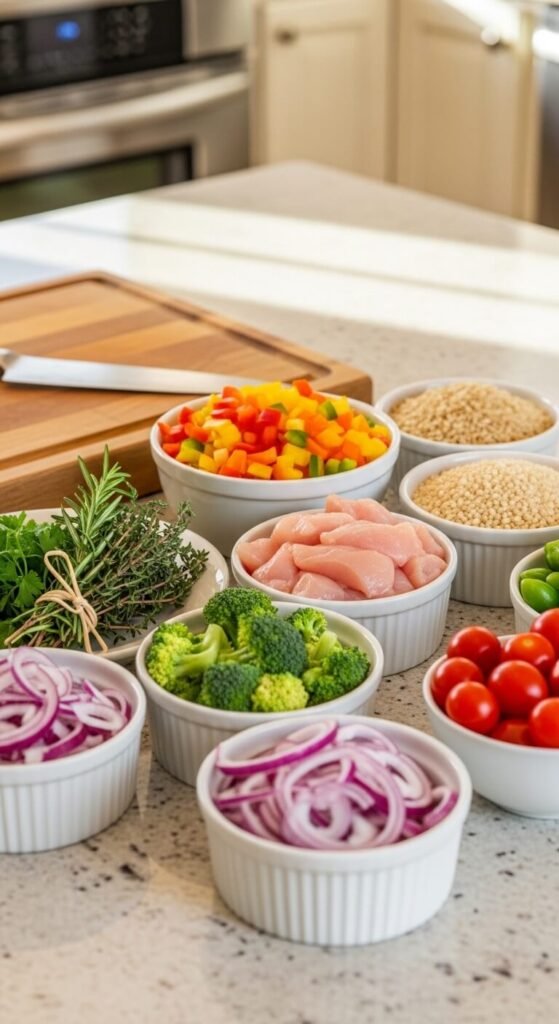
Here’s a simple flow that works every time:
- Preheat your oven to 400°F (200°C) — almost everything roasts well at this temp
- Start your grains on the stovetop (they take the longest)
- Season and prep your proteins while the oven heats
- Chop all your vegetables at once before anything goes into a pan
The key is to always be moving. While the chicken bakes, your rice cooks. While the rice rests, you’re blanching broccoli. You’re not waiting — you’re layering.
Step 3: Cook Everything at Once
This is where the magic happens. A solid batch cook session should take no more than 1.5 to 2 hours and set you up for the entire week.
- Roast two sheet pans of vegetables at once (use different seasonings for variety)
- Cook a large pot of grains — quinoa, farro, or brown rice all hold well in the fridge
- Bake or pan-sear your proteins in bulk
- Whip up one big sauce (think tahini dressing, tomato sauce, or a simple vinaigrette)
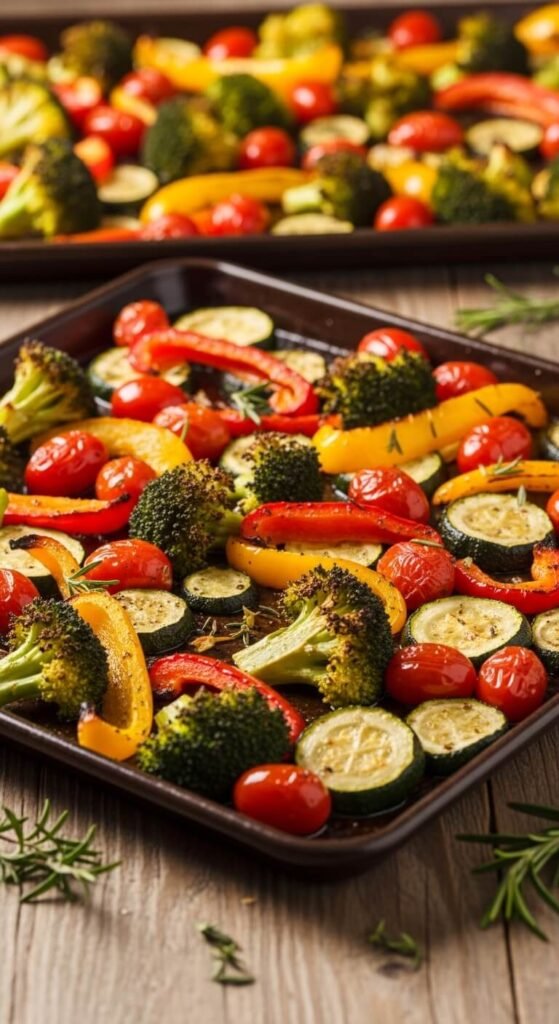
Don’t forget to season generously. Batch-cooked food needs bold flavor since it’ll be reheated and repurposed across multiple meals.
Step 4: Store Everything the Right Way
Good storage = longer freshness and less food waste. Invest in a set of glass containers with tight-fitting lids — they stack well, reheat evenly, and don’t absorb odors.
- Cooked grains & proteins: Last 4–5 days in the fridge
- Roasted vegetables: Best within 3–4 days
- Sauces & dressings: Up to a week (store separately so meals don’t get soggy)
- Soups & stews: Freeze extras in individual portions for up to 3 months
Label everything with the date using masking tape and a marker. Future you will be grateful.
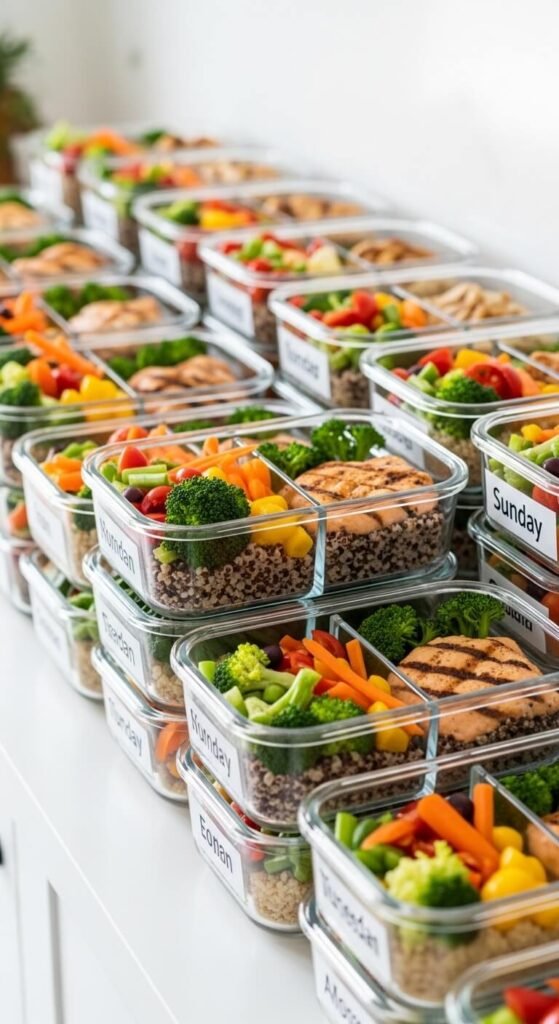
Step 5: Mix and Match All Week
Here’s where batch cooking gets fun. You’re not eating “meal prep bowls” every day — you’re using your prepped ingredients as building blocks.
- Monday: Rice bowl with roasted veggies and tahini
- Tuesday: Chicken wrap with leftover peppers and greens
- Wednesday: Veggie-loaded fried rice using day-old grains
- Thursday: Soup made from leftover roasted vegetables and broth
- Friday: Grain salad tossed with fresh herbs and lemon
One cook session. Five completely different meals. That’s the whole point.
Start Small, Then Scale Up
You don’t have to meal prep an entire week on your first try. Start with just one protein and two sides this Sunday. Once it clicks, you’ll naturally want to do more.
Batch cooking isn’t a trend — it’s a life skill that saves you time, money, and the mental load of figuring out dinner every single night. The hardest part is just starting.
Save this article for your next Sunday cook session — and share it with someone who could use a few extra hours in their week! 🥗