There’s nothing worse than rubbery, tough shrimp — and yet it happens to even experienced home cooks. The good news? Perfectly cooked shrimp is incredibly easy once you know the rules. We’re talking tender, juicy, golden-edged shrimp in under 5 minutes flat. Whether you’re throwing together a quick weeknight dinner or impressing guests at a dinner party, this guide will make you a shrimp-cooking pro.
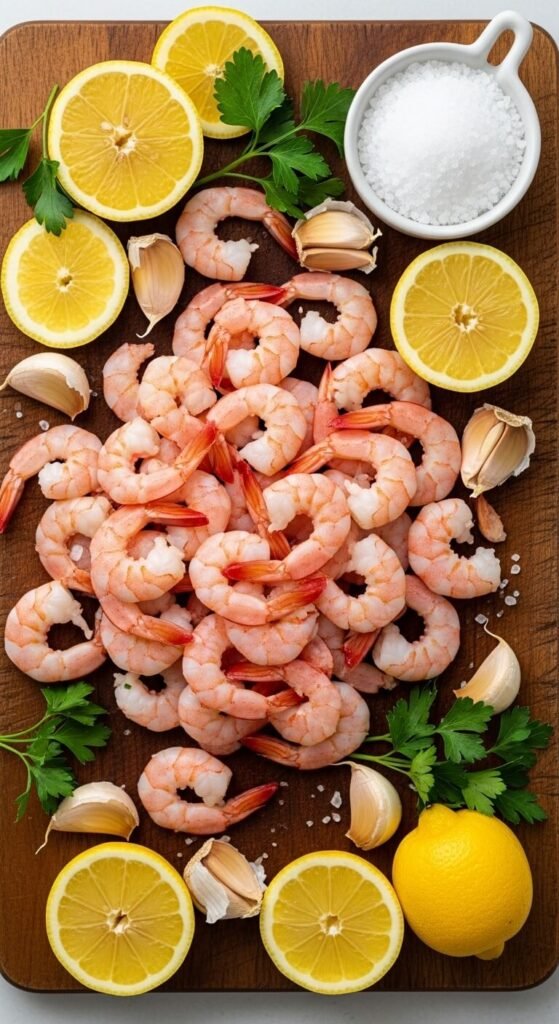
Why Shrimp Overcooks So Easily
Shrimp is one of the fastest-cooking proteins on the planet — and that’s both a blessing and a curse. Its small size means heat penetrates almost instantly, and the window between perfectly done and overcooked is only about 60 seconds.
Here’s what happens when shrimp overcooks:
- The proteins tighten and squeeze out moisture
- The texture turns rubbery and chewy instead of tender
- The flavor becomes flat and bland
Understanding this is half the battle. The other half is technique — and that’s exactly what we’re covering next.
Start With the Right Shrimp
Before you even turn on the stove, your shrimp choice matters.
- Size: Medium to large shrimp (16–20 count per pound) are the most forgiving for quick cooking — not too small to overcook in a blink, not too large to leave raw in the middle.
- Fresh vs. Frozen: Frozen shrimp is actually great. Flash-frozen at sea, it’s often fresher than “fresh” shrimp at the counter. Just thaw it properly.
- Peeled or shell-on: For speed, go peeled and deveined. Shell-on adds flavor but takes longer.
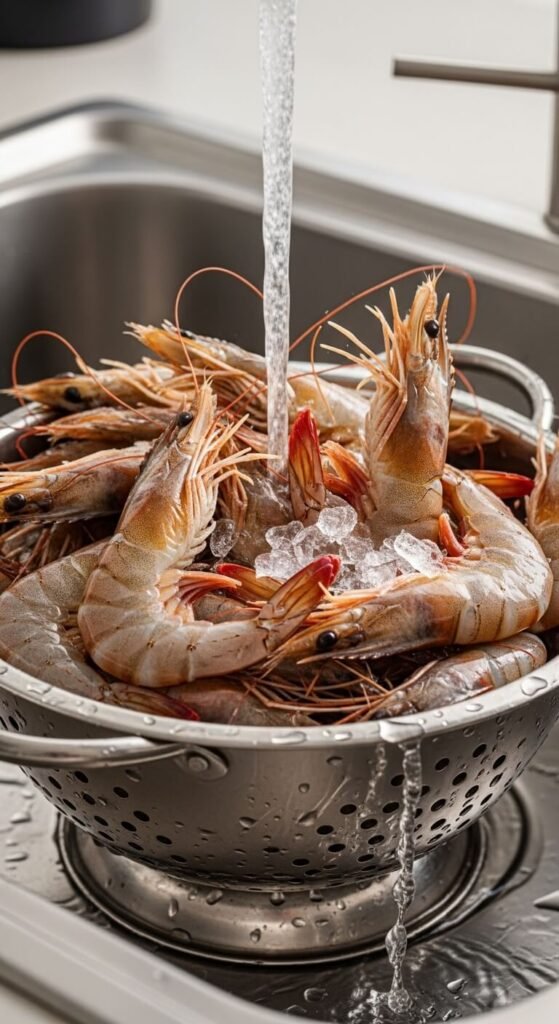
Quick thaw tip: Place frozen shrimp in a colander under cold running water for 5–7 minutes. Never use warm water — it starts to cook the exterior.
Pat Them Dry — This Step Is Non-Negotiable
This is the single most overlooked step. Wet shrimp steam instead of sear, which means no golden color and watery flavor.
After thawing or rinsing your shrimp:
- Lay them out on a paper towel
- Press another paper towel on top
- Let them sit for 1–2 minutes
That’s it. Dry shrimp = better sear = more flavor. Done.
The 2-Minute Skillet Method (Foolproof)
This is the go-to method for weeknight cooking. Hot pan, fast cook, done.
What you need:
- 1 lb large shrimp, peeled and deveined
- 2 tbsp olive oil or butter (or both!)
- 3 cloves garlic, minced
- Salt, black pepper, and a pinch of red pepper flakes
- Fresh lemon juice to finish
Steps:
- Heat a large skillet over medium-high heat until hot — about 2 minutes.
- Add oil or butter and let it shimmer.
- Add shrimp in a single layer — don’t crowd the pan. Work in batches if needed.
- Cook for 1–1.5 minutes per side. The shrimp are done when they turn pink and curl into a loose “C” shape.
- Remove from heat immediately. Squeeze lemon juice over the top.
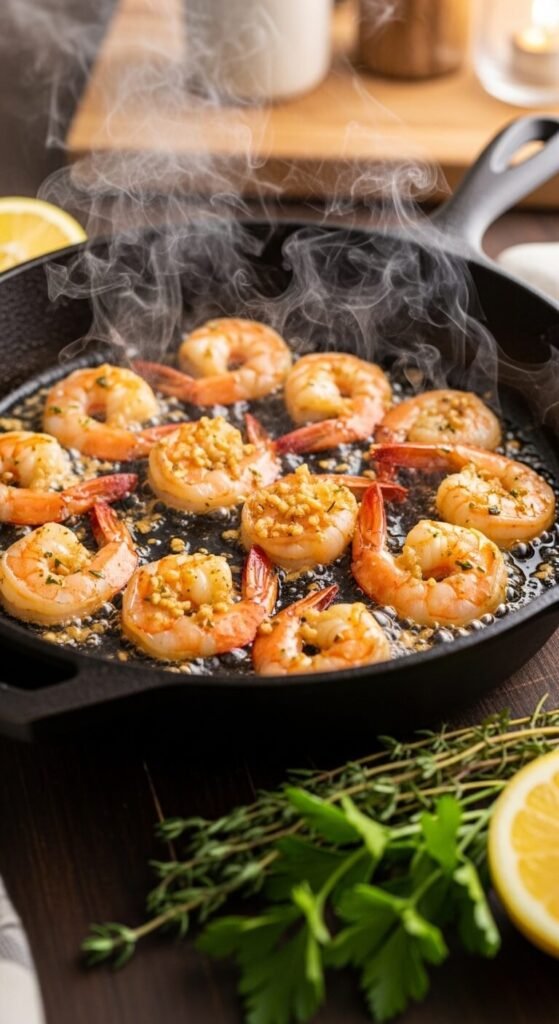
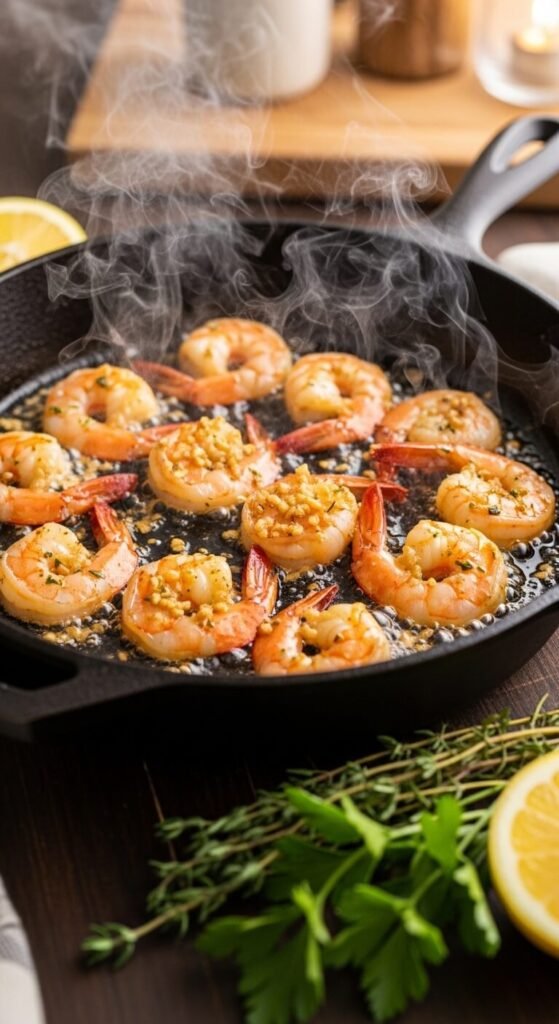
The “C” vs “O” Rule: A “C” shape = cooked perfectly. An “O” shape = overcooked. Seriously, it’s that simple.
Season Boldly, Finish Bright
Shrimp loves bold seasoning. Don’t be shy.
Great flavor combinations:
- Classic garlic butter — garlic, butter, parsley, lemon
- Cajun-style — smoked paprika, cayenne, garlic powder, onion powder
- Mediterranean — olive oil, oregano, cherry tomatoes, feta
- Asian-inspired — soy sauce, sesame oil, ginger, scallions
Always add a hit of acid (lemon juice, lime, white wine) at the very end. It brightens everything up and makes the flavors pop.
Common Mistakes to Avoid
Even with the best technique, small slip-ups can ruin a batch. Watch out for these:
- ❌ Overcrowding the pan — leads to steaming, not searing
- ❌ Starting with a cold pan — results in uneven cooking
- ❌ Walking away — shrimp cook in real time; you have to watch them
- ❌ Skipping the dry step — moisture is the enemy of a good sear
- ❌ Leaving them in the hot pan — carryover heat will finish cooking them even off the burner
Your Perfect Shrimp, Every Time
Cooking shrimp well comes down to one thing: respect the clock. Hot pan, dry shrimp, bold seasoning, and two minutes of your full attention — that’s all it takes to go from rubbery disappointment to a plate that looks (and tastes) like it came from a restaurant.
Once you nail this technique, you’ll be reaching for shrimp every time you need a fast, impressive, crowd-pleasing meal.
Save this article for later and share it with someone who always overcooks their shrimp — you’ll be their hero! 🍤