If you’ve ever made turkey meatballs only to end up with dry, crumbly little hockey pucks, you’re not alone. Turkey is notoriously lean, which is exactly what makes it healthy — and exactly what makes it tricky to work with. But here’s the good news: with a few smart tricks, you can make turkey meatballs that are juicy, tender, and packed with flavor every single time.
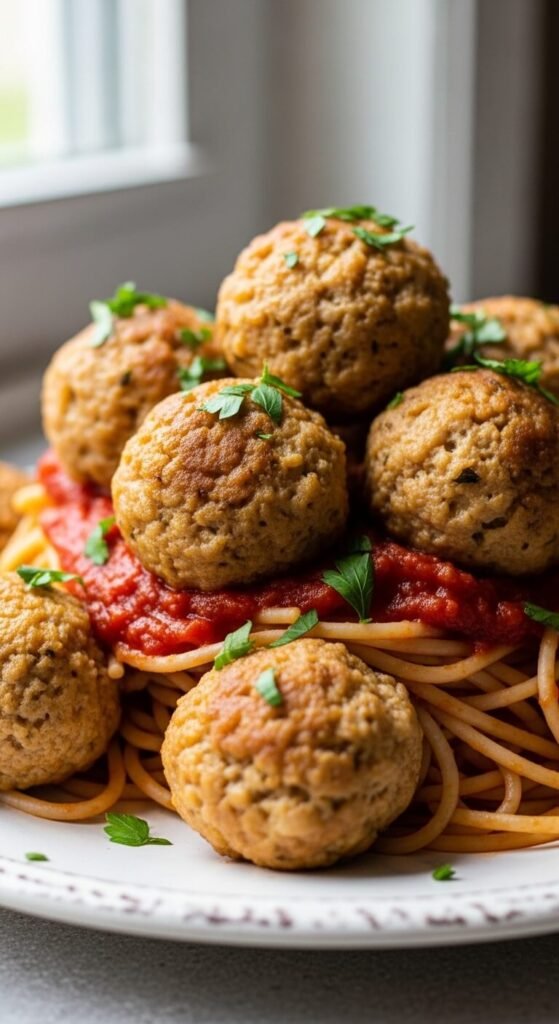
Let’s break it all down step by step.
Why Turkey Meatballs Go Dry (And How to Fix It)
The number one culprit? Lean meat with not enough moisture or fat to compensate. Unlike beef or pork, ground turkey has very little natural fat to keep things tender during cooking.
The fix isn’t complicated — it just requires being intentional about what you add to the mix. Think of your meatball mixture as a team: the turkey is the star, but it needs good supporting players to shine.
The Ingredients That Make All the Difference
Here’s what separates a dry meatball from a dreamy one:
- Breadcrumbs soaked in milk — This is called a panade, and it’s a game-changer. The soaked breadcrumbs add moisture that slowly releases as the meatballs cook.
- An egg — Acts as a binder and adds richness.
- Grated Parmesan — Brings saltiness, umami depth, and a little fat.
- Olive oil — A tablespoon in the mix goes a long way.
- Aromatics — Freshly minced garlic and finely diced onion (or onion powder) build flavor without adding dryness.
- Fresh herbs — Parsley, basil, or a mix of both keep things bright and fragrant.
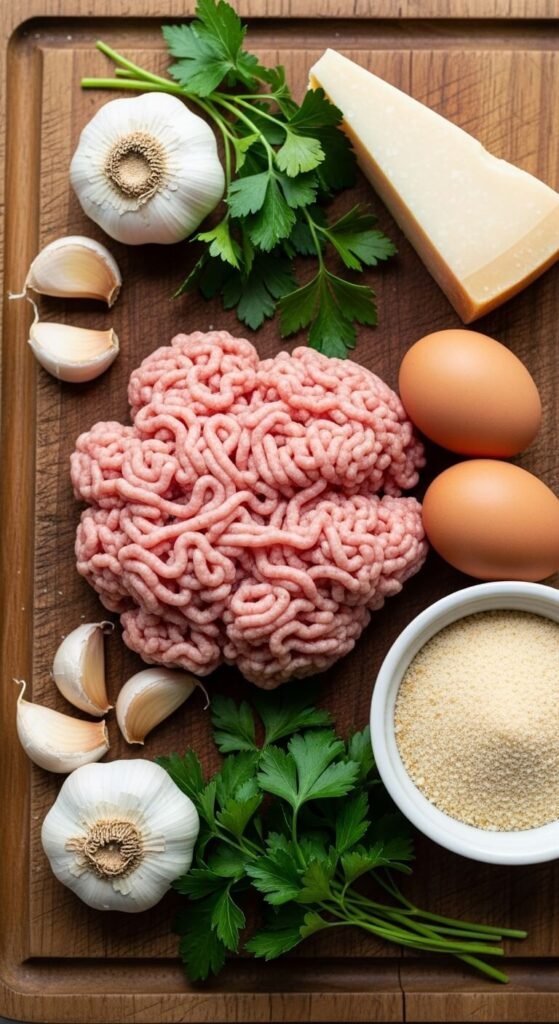
Pro tip: Don’t skip the panade. Even if it feels like “extra,” it’s the single most effective way to keep turkey meatballs moist.
How to Mix Without Overworking the Meat
This step matters more than most people think. Overworking ground meat causes the proteins to tighten up, leading to — you guessed it — tough, dense meatballs.
Here’s the right approach:
- Combine all your non-meat ingredients first and mix them together.
- Add the ground turkey last.
- Use your hands and mix just until everything is combined — about 10–15 seconds of gentle folding.
- If the mixture feels too soft to shape, refrigerate it for 20–30 minutes. Cold mixture holds its shape far better.
The Best Cooking Method for Juicy Results
You have a few solid options here, and the right one depends on your goal:
Option 1: Bake + Simmer Bake the meatballs at 400°F (200°C) for 15–18 minutes to set their shape, then finish them in your sauce on the stovetop for 10–15 minutes. The sauce keeps them moist and infuses flavor throughout.
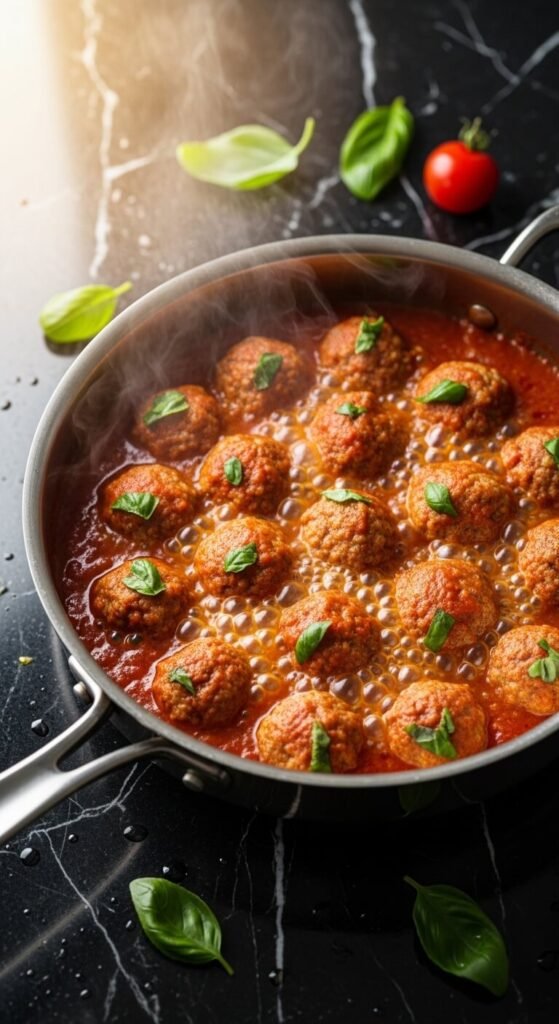
Option 2: Pan-Sear + Oven Finish Sear meatballs in olive oil over medium-high heat until browned on all sides (about 2 minutes per side), then transfer to a 375°F (190°C) oven for 10–12 minutes. You get a beautiful crust and a fully cooked, juicy center.
Option 3: Poach in Sauce Skip the browning entirely and drop raw meatballs directly into a simmering sauce. Cover and cook for 20–25 minutes. This method produces the most tender texture of all — no crust, but incredibly soft and flavorful.
Avoid this: Don’t cook turkey meatballs at high oven heat alone without sauce or moisture nearby. They’ll dry out quickly.
Don’t Skip the Rest Time
Once your meatballs are done, let them rest for 5 minutes before serving. Just like a steak, resting allows the juices to redistribute instead of running out the moment you cut in. It’s a small step with a big payoff.
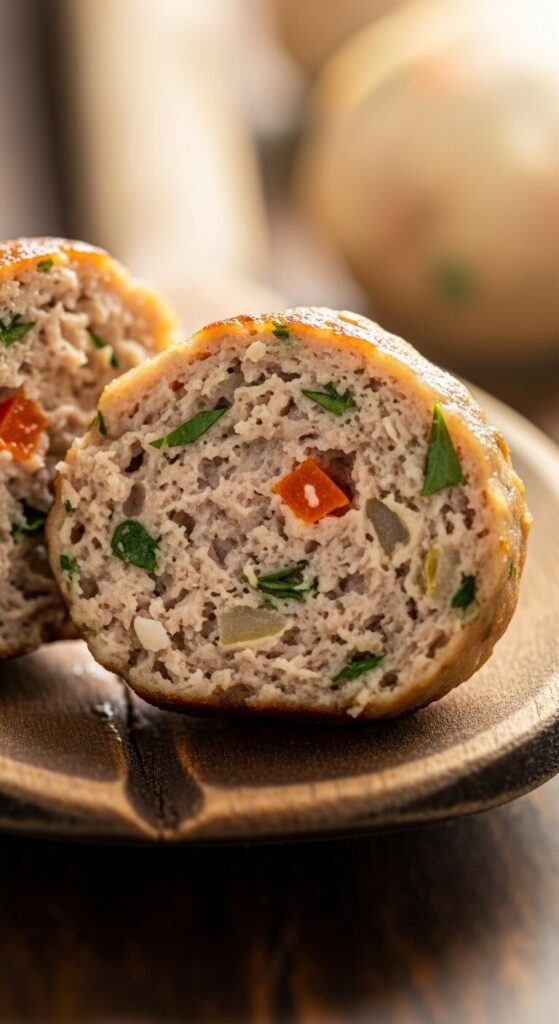
Quick Recap: Your Moisture Checklist
- ✅ Use a panade (breadcrumbs soaked in milk)
- ✅ Add olive oil and Parmesan to the mix
- ✅ Don’t overwork the meat
- ✅ Chill the mixture before shaping
- ✅ Finish cooking in sauce whenever possible
- ✅ Let them rest before serving
The Takeaway
Moist, tender turkey meatballs aren’t a matter of luck — they’re a matter of technique. Once you understand why they dry out, avoiding it becomes second nature. Whether you’re tossing them in marinara, stuffing them into a sub, or meal-prepping for the week, these tips will give you consistently great results.
Save this recipe for later and pin it the next time you’re planning a weeknight dinner! Your future self will thank you. 🍽️