Imagine pulling a meal out of the freezer on a Wednesday night and having it taste like you just spent an hour in the kitchen. No rubbery textures, no watery sauces, no sad, soggy vegetables — just real, delicious food. Sounds too good to be true? It’s not. With the right techniques, freezer meals can genuinely rival freshly cooked dinners.
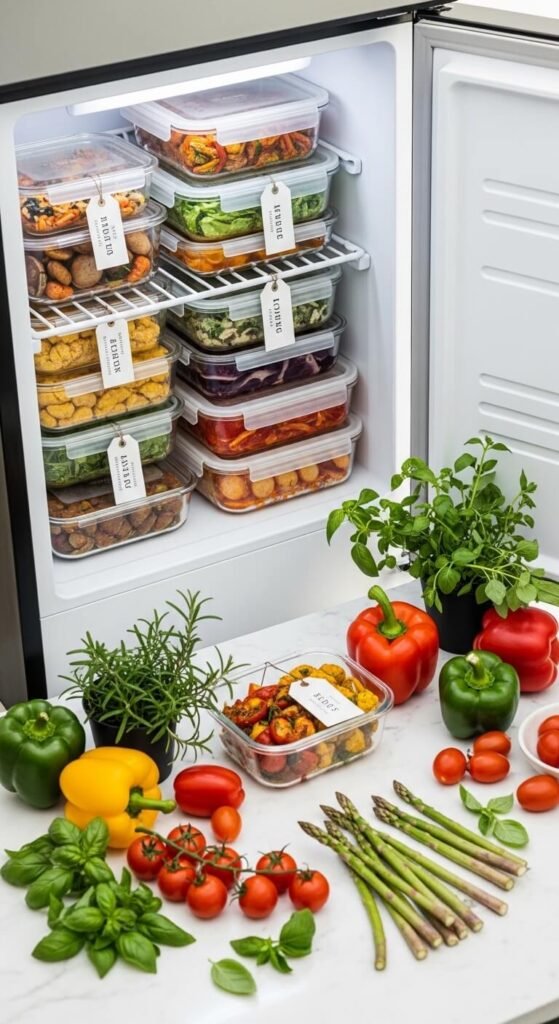
Whether you’re meal prepping for a busy week or building an emergency dinner stash, this guide will walk you through everything you need to know to freeze dinner meals the right way.
Choose the Right Foods to Freeze
Not all foods are freezer-friendly — and knowing the difference is half the battle. Some ingredients hold up beautifully through freezing and reheating, while others turn into a mushy disappointment.
Freeze-friendly winners:
- Braised meats (pulled pork, beef stew, pot roast)
- Soups, chilis, and curries
- Casseroles and baked pasta dishes
- Cooked grains like rice and quinoa
- Roasted or sautéed vegetables (avoid watery ones like zucchini or cucumber)
Foods to avoid freezing:
- Raw potatoes (they turn grainy and discolored)
- Cream-based sauces (they separate and become grainy)
- Fried foods (they lose all their crunch)
- Leafy greens in cooked dishes
Sticking to freeze-friendly ingredients is the first step toward a meal that tastes made from scratch.
Cook Smart — Slightly Undercook Everything
Here’s a pro tip most people skip: undercook your pasta, vegetables, and grains by about 1–2 minutes before freezing. Why? Because the reheating process continues the cooking. If everything is perfectly done going into the freezer, it’ll be overcooked coming out.
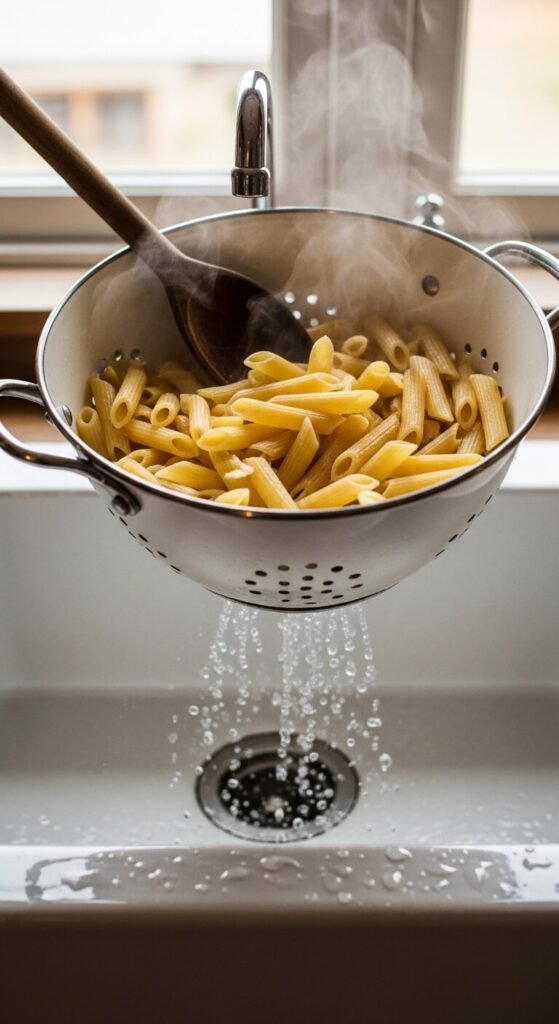
This small adjustment makes a massive difference, especially in pasta dishes, stir-fries, and grain bowls. Think of the freezer as the pause button — and reheating as the final act of cooking.
Package Like a Pro
How you store your meals is just as important as how you cook them. Poor packaging leads to freezer burn, which drains flavor and ruins texture.
Best practices for packaging:
- Use airtight containers or heavy-duty freezer bags. Glass containers with snap lids or BPA-free plastic containers work great.
- Remove as much air as possible. Press out air from bags before sealing, or use a vacuum sealer if you have one.
- Portion into single servings. This makes reheating faster and reduces waste.
- Label everything. Write the dish name, date, and reheating instructions. Freezer meals are best used within 2–3 months.
- Let food cool completely before sealing and freezing — trapping steam creates ice crystals that ruin texture.
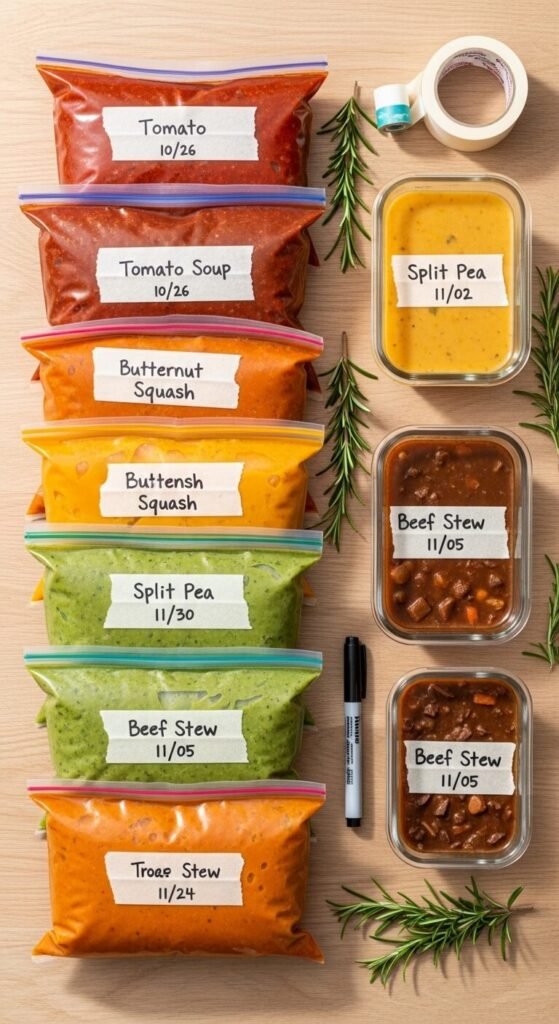
Proper packaging is what separates a great freezer meal from a disappointing one.
Reheat Low and Slow (This Is the Secret)
The number one mistake people make? Blasting frozen meals on high heat. High heat reheats the outside while leaving the center cold — and it destroys texture in the process.
The golden reheating rules:
- Thaw overnight in the fridge whenever possible. This is the single best thing you can do for texture and flavor.
- Reheat soups and stews on the stovetop over medium-low heat, stirring occasionally.
- Use the oven for casseroles — cover with foil at 325°F (165°C) until heated through, then uncover for the last 10 minutes to crisp the top.
- Microwave with a damp paper towel over the dish to trap steam and prevent drying out. Use 50–70% power in short intervals.
- Add a splash of broth or water to sauces and soups before reheating to restore the original consistency.
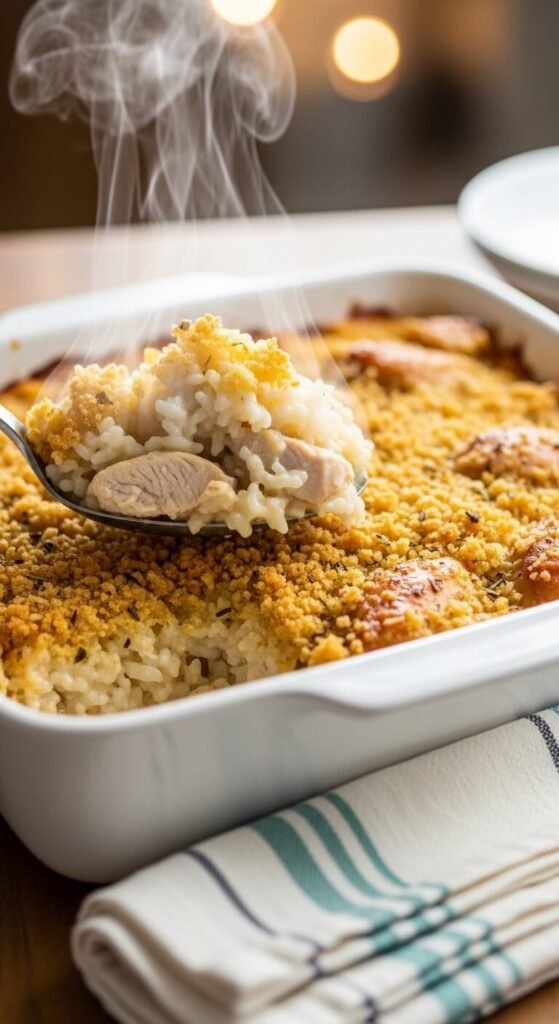
Patience during reheating pays off every single time.
Best Dinner Meals to Start With
If you’re new to freezer cooking, start with these crowd-pleasing recipes that freeze and reheat exceptionally well:
- Classic beef chili
- Chicken tikka masala
- Baked ziti or lasagna
- Lentil soup
- Turkey meatballs in marinara sauce
These dishes actually develop more flavor after a day or two in the freezer — a happy bonus.
Your Freezer Is About to Become Your Best Friend
Freezer meals done right aren’t just convenient — they’re a genuine lifesaver on your most exhausted nights. By choosing the right foods, slightly undercooking before freezing, packaging properly, and reheating gently, you’ll have dinners that taste like love and effort even when you had neither to give.
Save this guide for your next meal prep day and start building your freezer stash. Future you will be very grateful.