Imagine walking through your front door after a long day to the smell of a home-cooked meal already waiting for you. No scrambling, no takeout, no guilt — just dinner, done. That’s the magic of the crockpot, and once you learn how to use it right, you’ll wonder how you ever lived without it.
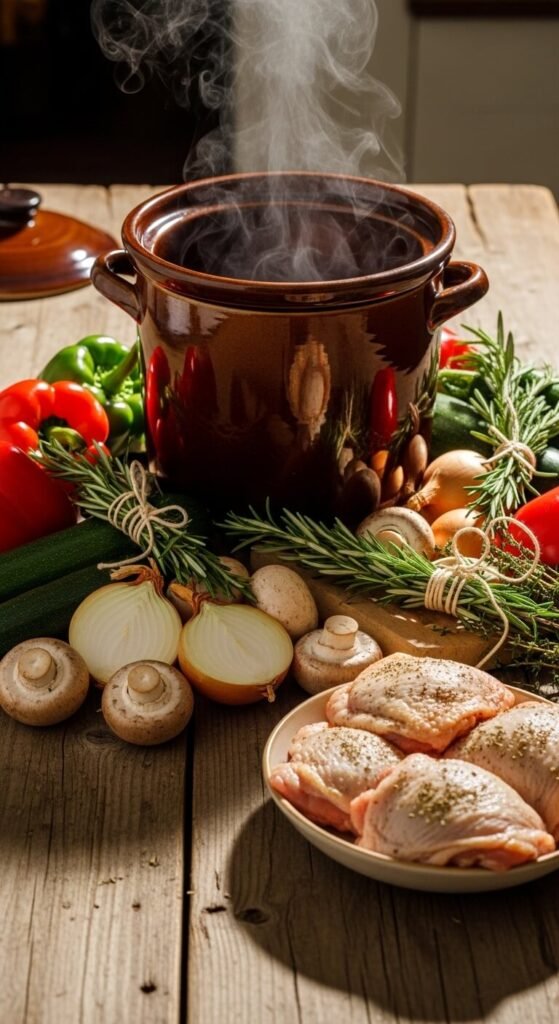
Whether you’re a busy parent, a meal-prep enthusiast, or someone who simply wants more hours back in their day, slow cooker meals are your best friend. Here’s everything you need to know to make crockpot cooking truly effortless.
Choose the Right Recipes (Not All Dishes Are Created Equal)
The slow cooker thrives on low-and-slow cooking — it’s designed for ingredients that benefit from extended heat and moisture. The best candidates include:
- Tough cuts of meat like chuck roast, pork shoulder, chicken thighs, and short ribs
- Legumes and grains such as lentils, dried beans, and barley
- Root vegetables like carrots, potatoes, sweet potatoes, and parsnips
- Soups, stews, and chilis that only get better with time
Avoid delicate ingredients like fresh herbs, dairy, and seafood until the very end of cooking — they’ll turn mushy or break down if added too early.
Prep Everything the Night Before
Here’s the real secret to “set and forget” success: front-load your effort. Spend 15–20 minutes the night before chopping vegetables, trimming meat, and measuring out your spices. Store everything in a sealed container in the fridge.
In the morning, all you have to do is dump it in, set the timer, and walk away.
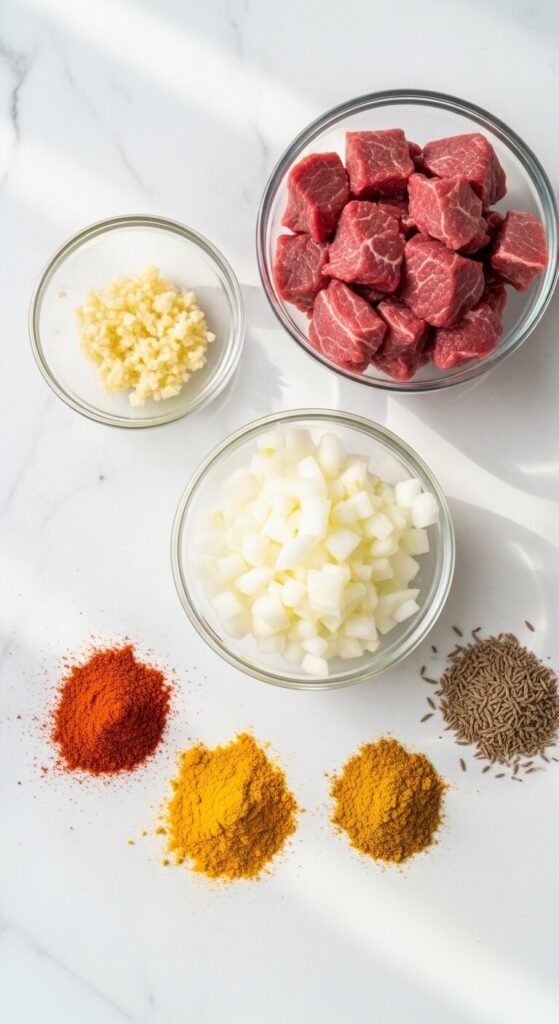
Pro tip: Layer your ingredients strategically. Dense vegetables like potatoes and carrots go on the bottom (they need the most heat), meat goes in the middle, and softer ingredients sit on top.
Master the Low vs. High Setting
This is where a lot of new slow cooker users go wrong. Here’s the simple rule:
- Low setting (8–10 hours): Best for tougher cuts of meat and recipes that benefit from all-day cooking. Use this when you’re heading to work.
- High setting (4–6 hours): Great for weekends or when you need dinner ready faster. Works well for soups, chicken dishes, and vegetables.
Most recipes are interchangeable between the two — low and slow just tends to produce more tender, flavorful results. When in doubt, go low.
Build Flavor Without Standing at the Stove
One common complaint about slow cooker meals? They can taste flat. Here’s how to avoid that:
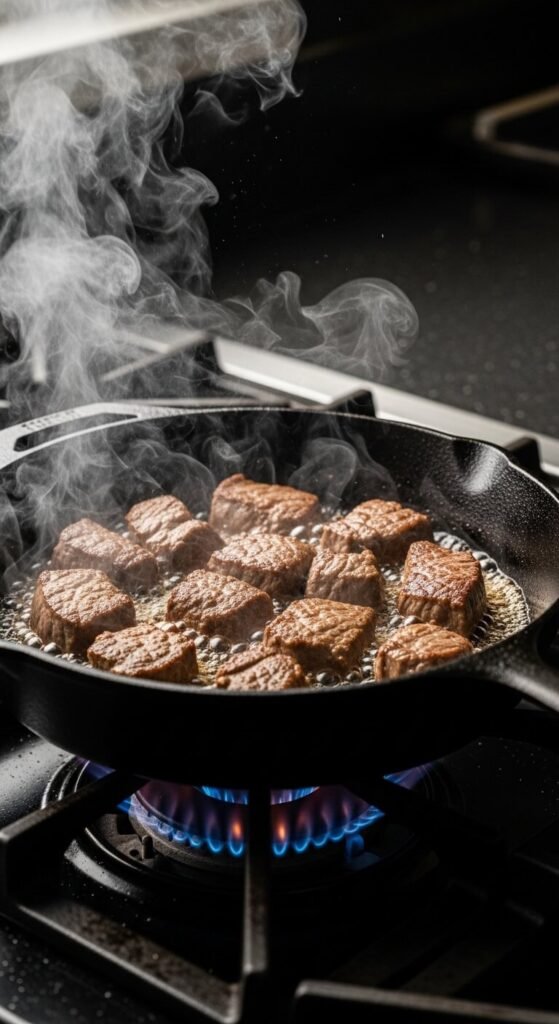
- Brown your meat first — even just 3 minutes in a hot skillet builds a rich, caramelized depth that the crockpot alone can’t create.
- Use tomato paste, soy sauce, or Worcestershire as flavor boosters.
- Don’t skip the aromatics — onion, garlic, and fresh ginger make a huge difference.
- Season at the end, not just the beginning. Flavors concentrate as liquid reduces, so always taste and adjust before serving.
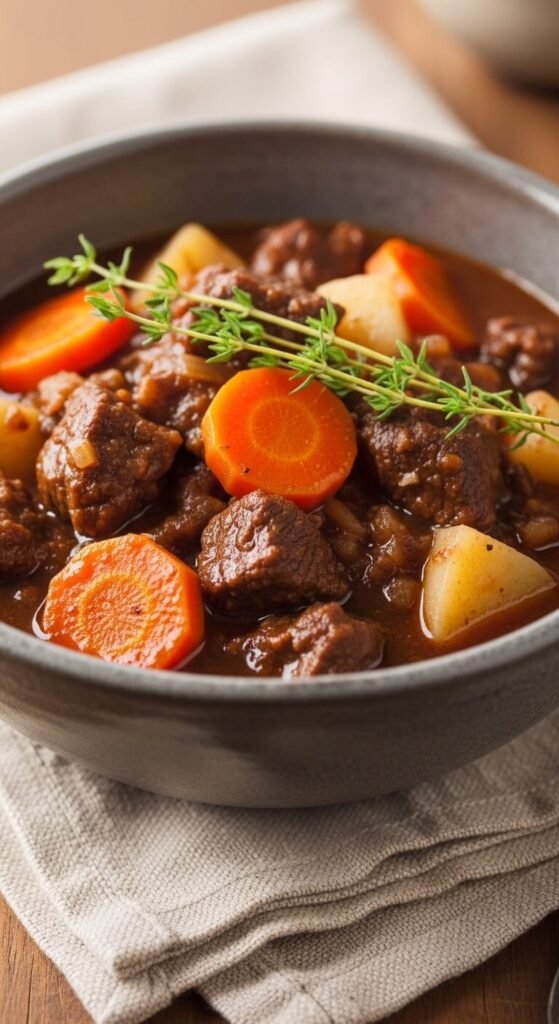
A Simple Go-To Recipe: Slow Cooker Beef Stew
If you want to start somewhere foolproof, this is it.
Ingredients:
- 2 lbs chuck roast, cubed
- 4 carrots, chopped
- 3 Yukon gold potatoes, cubed
- 1 onion, diced
- 3 garlic cloves, minced
- 1 cup beef broth
- 2 tbsp tomato paste
- Salt, pepper, thyme to taste
Instructions: Sear the beef, layer vegetables on the bottom of the crockpot, add meat and remaining ingredients, and cook on LOW for 8–9 hours. That’s it.
Store and Repurpose Leftovers Like a Pro
One of the biggest perks of slow cooker cooking is the leftovers. Most crockpot meals taste even better the next day as flavors continue to meld. Store extras in airtight containers for up to 4 days in the fridge, or freeze portions for up to 3 months.
Leftover shredded chicken becomes tacos. Extra beef stew becomes a pot pie filling. The crockpot doesn’t just cook dinner — it sets you up for the whole week.
The slow cooker is one of the most underrated tools in any kitchen. With a little prep, the right technique, and a handful of bold flavors, you can have warm, satisfying meals waiting for you every single day — no stress required.