Imagine pulling a skillet off the stove and plating something so fragrant, so golden, and so deeply flavored that your dinner guests ask which restaurant you ordered from. That’s the magic of a truly great one pan meal — and yes, it’s completely achievable on a Tuesday night with minimal cleanup.
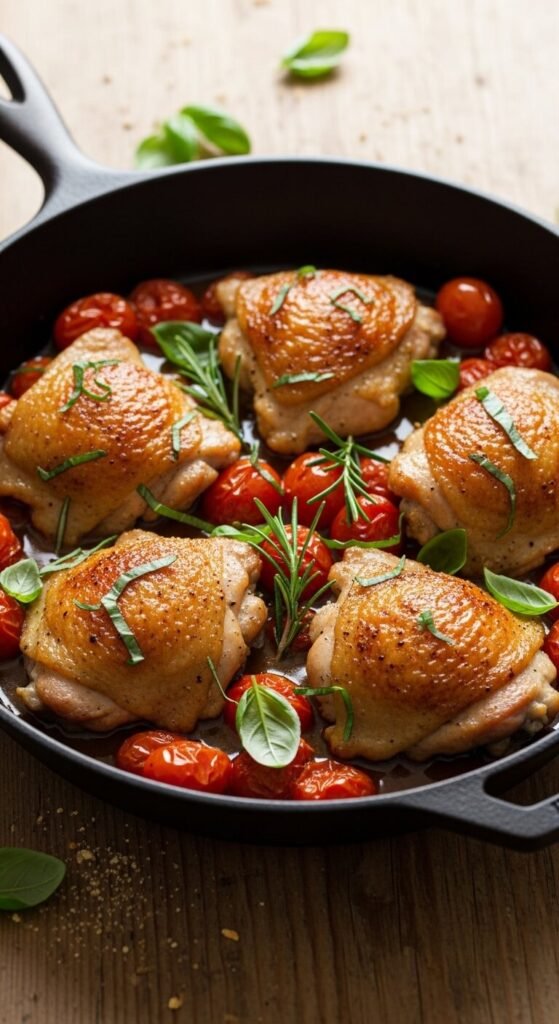
The secret isn’t a complicated technique or a grocery list a mile long. It’s understanding a handful of principles that pro chefs use every single day. Once these click, your one pan dinners will never taste “home-cooked” in the boring sense again.
Start With the Right Pan
This is non-negotiable. The pan you choose determines everything — the sear, the fond, the final flavor.
- Cast iron skillet — Best for high-heat searing and oven finishing. Retains heat like a dream.
- Stainless steel pan — Great for building sauces and deglazing.
- Wide, deep sauté pan — Ideal when you’re adding liquids, grains, or vegetables to the mix.
Avoid non-stick for this style of cooking. You want things to stick a little — that brown, caramelized layer stuck to the bottom is pure flavor gold.
Build Flavor in Layers (This Is the Big One)
Restaurant food tastes different because chefs never skip the layering step. Here’s how to do it at home:
1. Sear your protein hard and fast. Get your oil shimmering hot before anything goes in. Pat your chicken, steak, or shrimp completely dry — moisture is the enemy of a good crust. Don’t touch it for at least 3–4 minutes.
2. Build the aromatics. Once the protein is removed, drop in your onions, garlic, or shallots directly into all that leftover fat. Let them soften and pick up color.
3. Deglaze the pan. Pour in a splash of white wine, chicken broth, or even just water. Use a wooden spoon to scrape up all those brown bits. That process is called deglazing — and it’s where so much of the depth comes from.
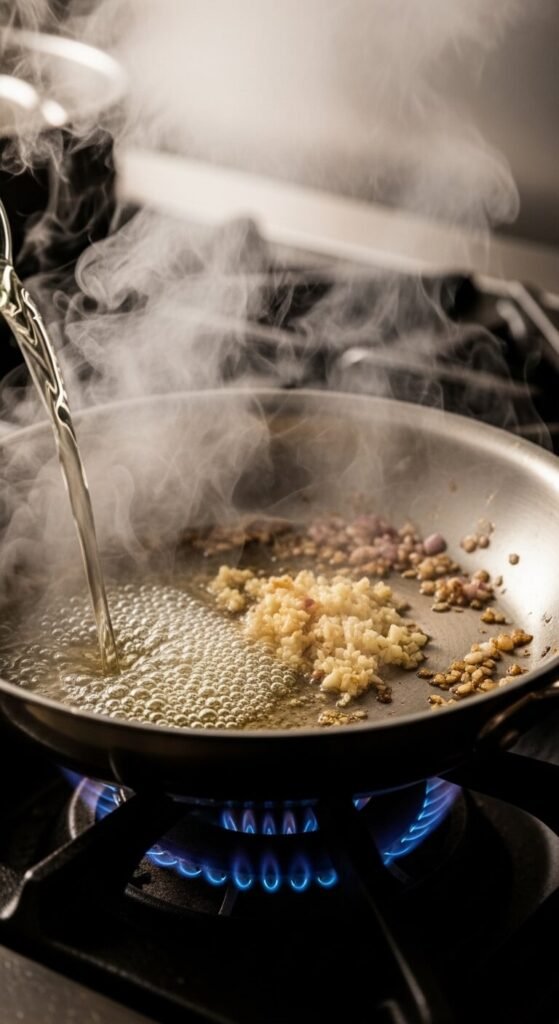
4. Add your sauce base and let it reduce. Whether it’s crushed tomatoes, coconut milk, or cream — add it now and let it simmer down. Reduction concentrates flavor in a way nothing else can.
Season at Every Stage, Not Just the End
Most home cooks season only at the finish line. Professionals season throughout: the protein before searing, the aromatics as they soften, and the sauce as it reduces. Tasting as you go isn’t optional — it’s the whole game.
A pinch of salt at the right moment makes flavors bloom. A squeeze of lemon at the very end brightens everything and cuts through richness.
Don’t Forget Texture
A restaurant-quality dish isn’t just about flavor — it’s about contrast. Here’s how to add it without extra pans:
- Crispy elements: Toasted breadcrumbs, pan-fried capers, or a handful of nuts added at the end.
- Fresh contrast: A handful of fresh herbs, arugula, or thinly sliced raw onion laid over a hot dish right before serving.
- Creamy finish: A pat of cold butter swirled in off-heat gives sauces that glossy, velvety restaurant finish.

A Simple Formula to Follow Every Time
When in doubt, use this template:
- Sear protein → remove and rest
- Soften aromatics in the same fat
- Deglaze with wine or broth
- Add sauce base and simmer
- Return protein to finish cooking in the sauce
- Finish with butter, acid, and fresh herbs
That’s it. That’s the whole framework behind hundreds of restaurant dishes.
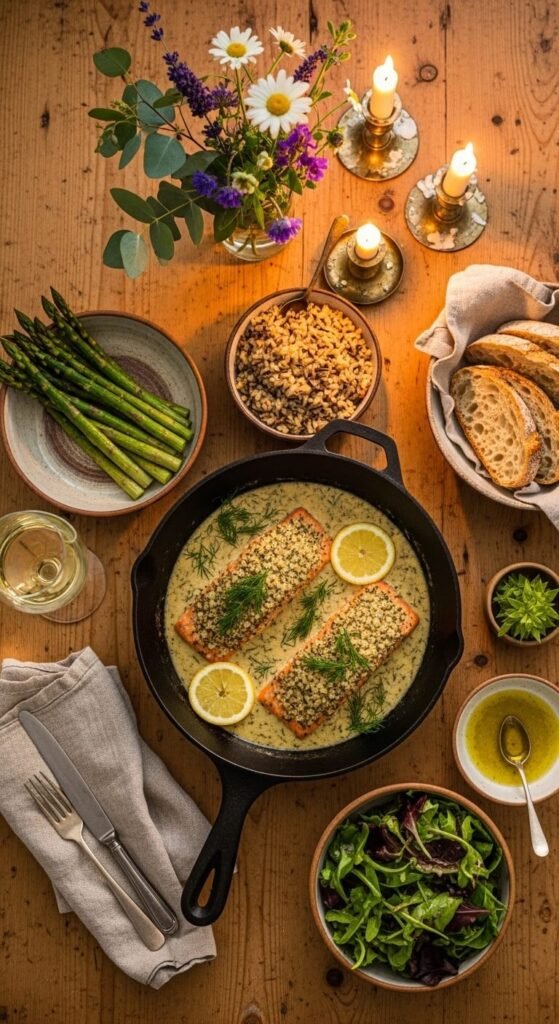
The Takeaway
One pan meals aren’t a shortcut — they’re a smart way to cook. When you understand heat, layering, seasoning, and texture, even the simplest ingredients transform into something worthy of a sit-down dinner. No reservation required.