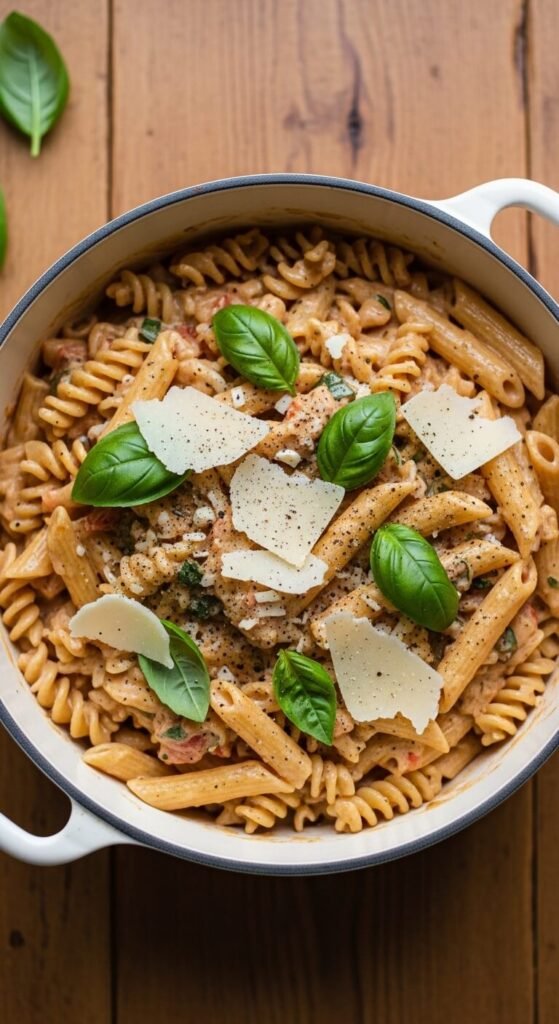
Imagine twirling a forkful of silky, perfectly cooked pasta — rich with a velvety sauce, every noodle holding its shape — and knowing you only dirtied one pot to get there. Sounds too good to be true? It’s not. One pot pasta has a reputation for turning into a starchy, overcooked mess, but with the right technique, it becomes the weeknight dinner you’ll make on repeat.
Why One Pot Pasta Goes Wrong (And How to Fix It)
Most mushy pasta disasters come down to two culprits: too much liquid and too much heat. Unlike boiling pasta in a large pot of water, one pot cooking means the starch released by the pasta stays right in the sauce — which is actually your secret weapon for creaminess. But let it go too long, and that same starch turns everything into a gluey blob.
Here’s what goes wrong and the simple fixes:
- Too much liquid added at once — Add it gradually, like a risotto, so the pasta absorbs it at a controlled pace.
- Boiling too aggressively — High heat cooks the outside of the pasta faster than the inside. Keep it at a steady medium simmer.
- Lifting the lid constantly — Every peek releases steam and throws off your cooking time. Trust the process.
- Wrong pasta shape — Thin, delicate pasta (like angel hair) breaks down too fast. Stick to sturdy shapes.
The Best Pasta Shapes for One Pot Cooking
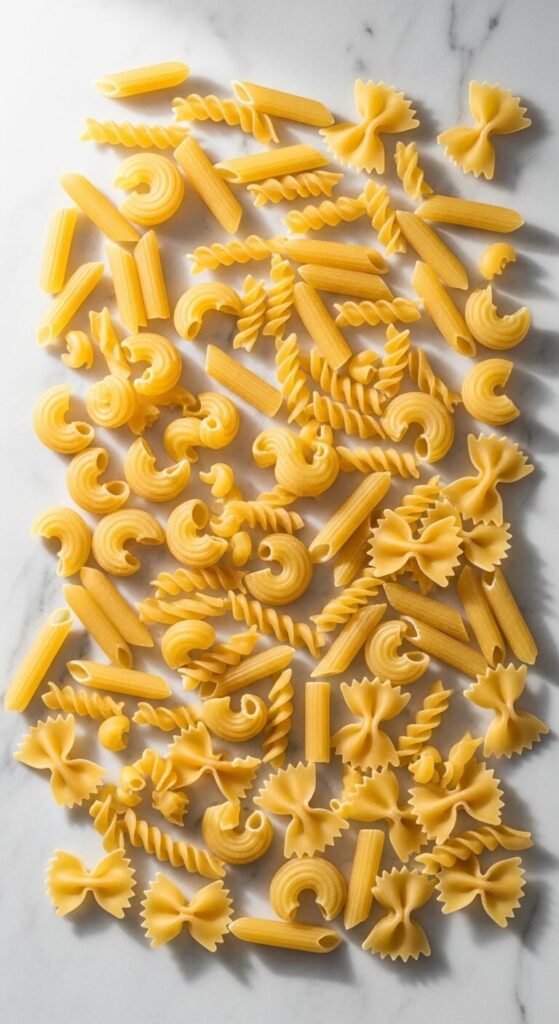
Not all pasta is created equal when it comes to one pot methods. You want shapes that can handle the extra starch and moisture without turning to mush.
Best choices:
- Rigatoni
- Penne
- Fusilli
- Farfalle
- Orecchiette
These shapes have texture and structure that holds up during the longer, lower-heat cooking process. Avoid thin pastas like linguine or spaghetti unless you’re very confident with your timing — they have a narrow window between perfect and overdone.
The Ingredient Formula That Works Every Time
The beauty of one pot pasta is its flexibility, but a solid base formula keeps things from going sideways.
For every 12 oz of pasta, you’ll need:
- 3–3½ cups of liquid (broth, water, or a mix — broth adds more flavor)
- 1 cup of aromatics (onion, garlic, shallots)
- 1–2 tablespoons of fat (olive oil or butter)
- ½ to 1 cup of cheese or cream for finishing
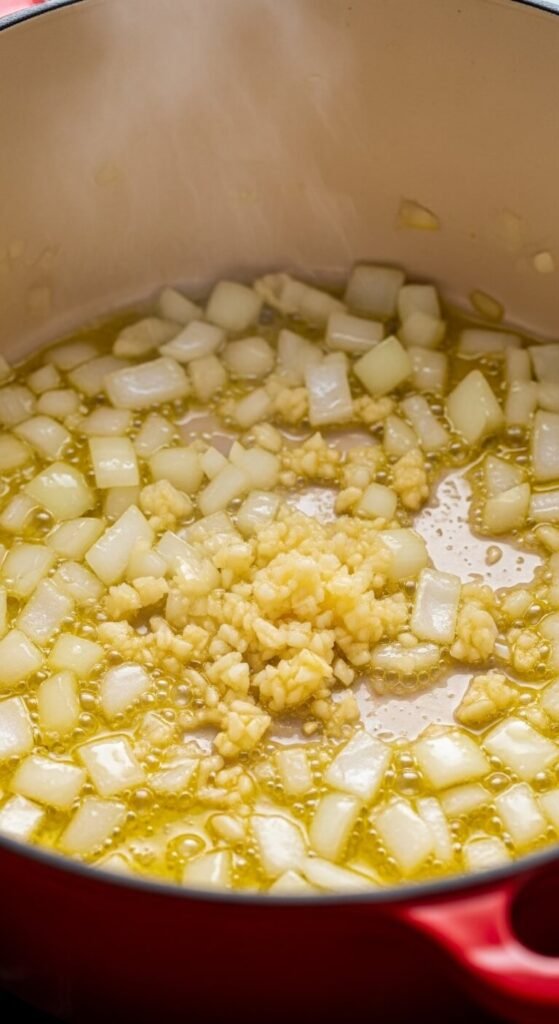
Start by sautéing your aromatics in the fat at the bottom of your pot. This builds a flavor foundation before a single noodle hits the pan.
Step-by-Step: The Method That Gets It Right
Step 1 — Build your base. Sauté onions and garlic in olive oil over medium heat for 3–4 minutes until softened and fragrant. Add any spices (red pepper flakes, Italian seasoning) here so they bloom in the oil.
Step 2 — Toast the pasta briefly. Add your dry pasta directly to the pot and stir it into the oil for about 60 seconds. This light toasting adds a subtle nutty flavor and helps the pasta hold its texture longer.
Step 3 — Add liquid in stages. Pour in about half your broth. Stir to combine, then let it come to a gentle simmer. As the pasta absorbs the liquid and the bottom of the pot looks nearly dry, add the remaining broth in splashes, stirring frequently — just like making risotto.
Step 4 — Taste and time it perfectly. Start tasting your pasta 2 minutes before the package’s suggested cook time. You want it just al dente — it will continue cooking slightly as you add your finishing ingredients.
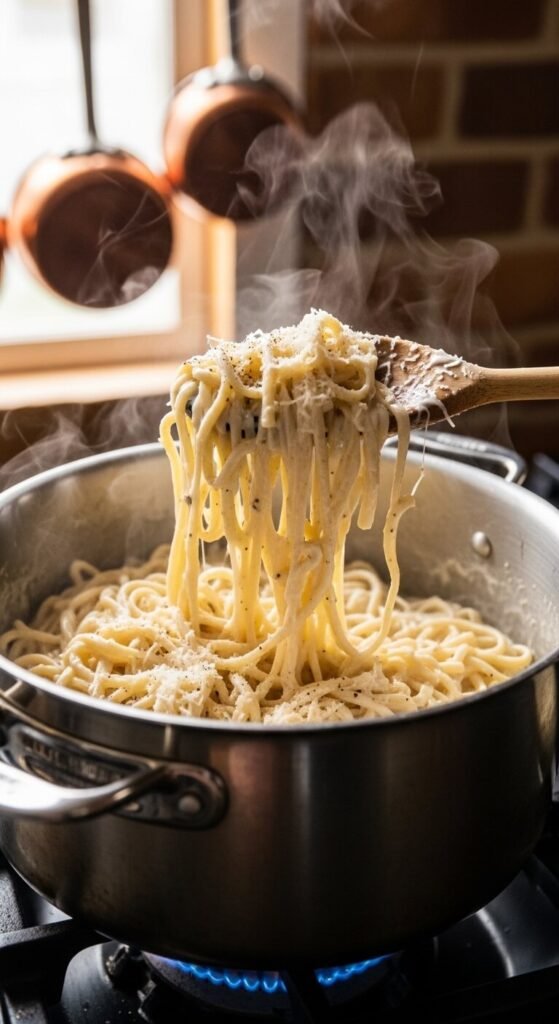
Step 5 — Finish with fat and cheese. Remove from heat, then stir in butter, cream, or parmesan (or all three). The residual heat melts everything into a glossy, creamy sauce that clings to every noodle.
Flavor Variations to Try
Once you’ve nailed the base method, the combinations are endless:
- Tomato Basil — crushed tomatoes, fresh basil, parmesan
- Tuscan Chicken — sun-dried tomatoes, spinach, heavy cream
- Lemon Ricotta — ricotta, lemon zest, peas, fresh mint
- Mushroom & Thyme — cremini mushrooms, thyme, white wine, gruyère
The Takeaway
One pot pasta isn’t just a shortcut — when done right, it’s genuinely better than the traditional method. The controlled liquid absorption creates a naturally creamy sauce without any extra effort, and cleanup is a dream. The key is patience, the right pasta shape, and adding your liquid gradually.