You know that craving — the one that has you reaching for your phone to order greasy, overpriced takeout at 7 PM on a Wednesday. What if we told you that in less time than delivery takes, you could have a sizzling, restaurant-worthy stir fry on your table? The secret isn’t a fancy wok or a culinary degree. It’s a handful of smart techniques that most home cooks skip. Let’s fix that.
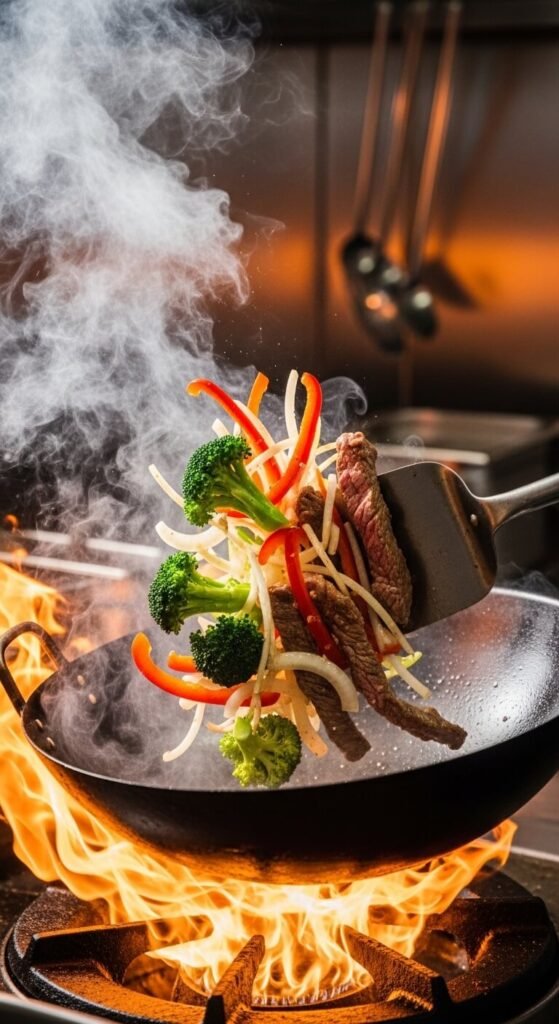
Start With the Right Pan (This Is Non-Negotiable)
The number one reason homemade stir fry turns out soggy and sad? The wrong pan — or worse, a pan that isn’t hot enough.
- Use a carbon steel wok or a large cast iron skillet. These retain and conduct heat far better than a standard nonstick pan.
- Preheat it until it smokes. Seriously. You want it ripping hot before anything goes in.
- Cook in small batches. Overcrowding the pan drops the temperature instantly, which steams your ingredients instead of searing them.
That high, dry heat is what creates wok hei — the slightly smoky, charred flavor that makes restaurant stir fry taste the way it does. You absolutely can replicate it at home.
Build a Flavor-Packed Sauce From Scratch
Takeout places aren’t using anything exotic. Their sauces are built on a simple, balanced formula you can easily recreate.
The go-to base:
- 3 tbsp soy sauce
- 1 tbsp oyster sauce
- 1 tsp sesame oil
- 1 tsp rice vinegar
- 1 tsp sugar or honey
- 1 tsp cornstarch (for that glossy, cling-to-everything finish)
Mix it all together in a small bowl before you start cooking. Stir fry moves fast — you don’t want to be measuring anything mid-cook.
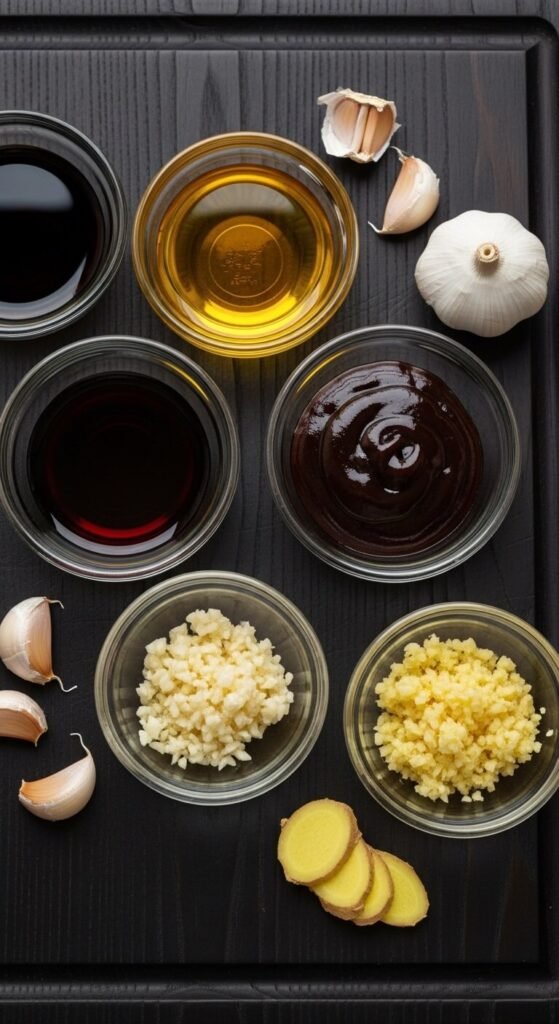
Want it spicy? Add a teaspoon of chili garlic sauce or a drizzle of sriracha. Craving something sweeter? Double the honey and splash in some orange juice. The base is yours to riff on.
Prep Everything Before You Touch the Stove
Stir fry is not the time to chop as you go. Once that wok is hot, things happen in seconds.
- Slice proteins thinly against the grain — this keeps them tender.
- Cut vegetables into similar-sized pieces so everything cooks evenly.
- Have your sauce, aromatics (garlic, ginger), and all ingredients staged and within arm’s reach.
- Dry everything thoroughly. Moisture is the enemy of a good sear.
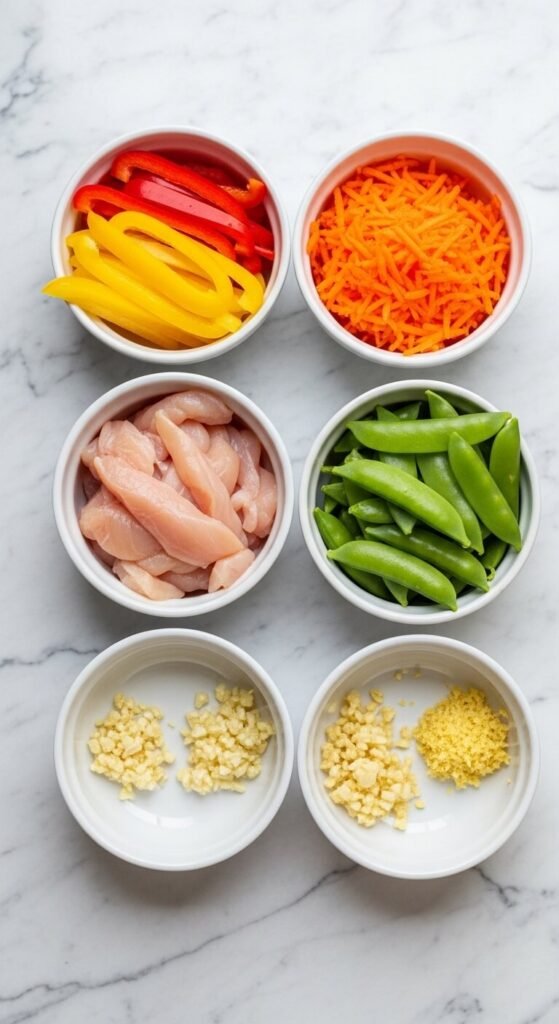
This “mise en place” approach is what separates a chaotic, steamed mess from a beautifully charred, restaurant-quality dish.
The Cooking Order That Changes Everything
This is where most people go wrong. Throwing everything in at once guarantees uneven cooking.
Follow this order every time:
- Protein first — sear it hard, get a crust, then remove it from the pan.
- Aromatics next — garlic and ginger go in for just 30 seconds. Don’t let them burn.
- Firm vegetables — broccoli, carrots, and bell peppers need a couple of minutes.
- Soft vegetables last — snap peas, spinach, and bean sprouts wilt quickly.
- Add protein back in, pour in the sauce, toss everything together, and let it bubble for 60 seconds until glossy.
That’s it. The whole process, from hot pan to table, takes about 10 minutes.
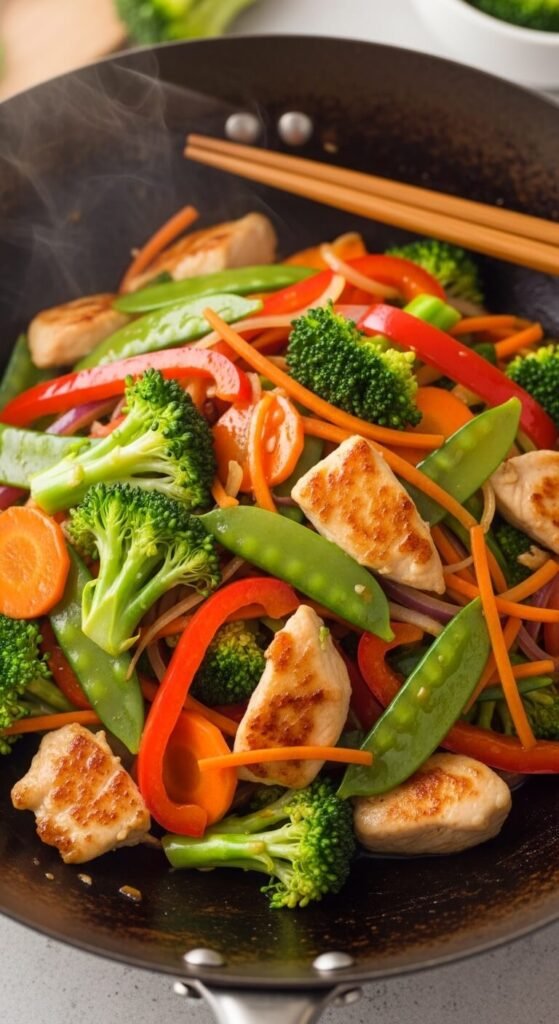
Finish Like a Pro
A few finishing touches that elevate the entire dish:
- A drizzle of sesame oil right at the end — heat destroys its flavor, so add it off the flame.
- Toasted sesame seeds for crunch and nuttiness.
- Sliced green onions for freshness.
- Serve over jasmine rice or noodles while the pan is still sizzling.
The difference between good and great stir fry is often just these last five seconds of care.
Your New Weeknight MVP
Once you nail the technique, stir fry becomes your most versatile, reliable weeknight dinner. Swap the protein, change up the vegetables, tweak the sauce — the formula always works.
No more waiting 45 minutes for delivery. No more mystery oil or limp broccoli. Just a hot, fragrant, deeply satisfying meal that tastes like it came from your favorite restaurant — because your kitchen is the restaurant now.
Save this article for your next weeknight dinner craving, and tag a friend who still thinks takeout is easier! 🥢