Tired of staring into your fridge every evening, completely uninspired — or worse, eating Tuesday’s leftovers for the fourth day in a row? Budget meal planning has a reputation for being boring, repetitive, and joyless. But here’s the truth: with a little strategy, you can eat well, eat varied, and still keep your grocery bill surprisingly low.
Start With a “Base Ingredients” Strategy
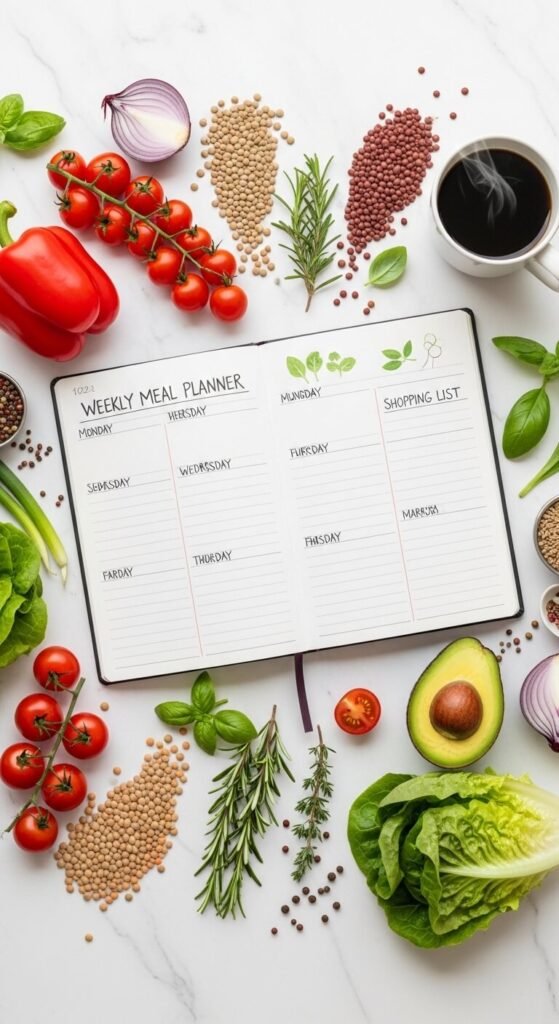
The secret to avoiding meal monotony on a budget isn’t buying more — it’s buying smarter. Choose a handful of versatile base ingredients that can transform across multiple meals throughout the week.
Great budget-friendly bases include:
- Grains: rice, oats, quinoa, pasta
- Proteins: eggs, canned chickpeas, lentils, frozen chicken thighs
- Vegetables: cabbage, carrots, frozen spinach, sweet potatoes
- Pantry staples: olive oil, soy sauce, cumin, garlic, canned tomatoes
The magic happens in how you season and combine them. A can of chickpeas becomes a spiced curry on Monday, a crispy roasted snack on Wednesday, and a lemony hummus wrap on Friday. Same ingredient, three completely different meals.
Plan Around Themes, Not Specific Meals
Instead of locking yourself into “chicken stir-fry on Tuesday,” assign loose themes to each day. This gives you flexibility while still keeping the planning structure intact.
Try something like:
- Monday – Grain bowl day
- Tuesday – Soup or stew
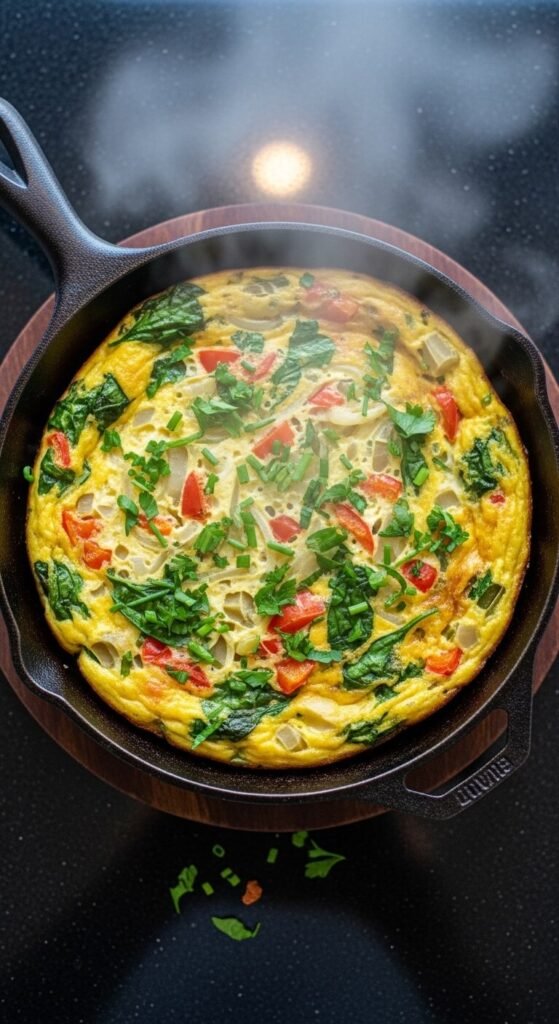
- Wednesday – Egg-based (frittata, shakshuka, fried rice)
- Thursday – Pasta or noodles
- Friday – Tacos or wraps
- Weekend – Freestyle with leftovers
This approach keeps your meals feeling fresh because you’re not rigidly tied to one recipe — just a general direction.
Shop the Sales and Build Around Them
Before you write a single meal idea, check your store’s weekly flyer or app. Build at least two meals around whatever protein or produce is on sale that week. This single habit can cut your grocery bill by 20–30% without sacrificing variety.
A few tips to stretch your shop further:
- Buy in bulk for non-perishables (oats, lentils, canned goods)
- Freeze what you won’t use immediately — bread, meat, and even bananas freeze beautifully
- Shop the “ugly produce” section if your store has one — same nutrition, lower price
- Stick to seasonal vegetables, which are cheaper and tastier
Batch Cook Components, Not Full Meals
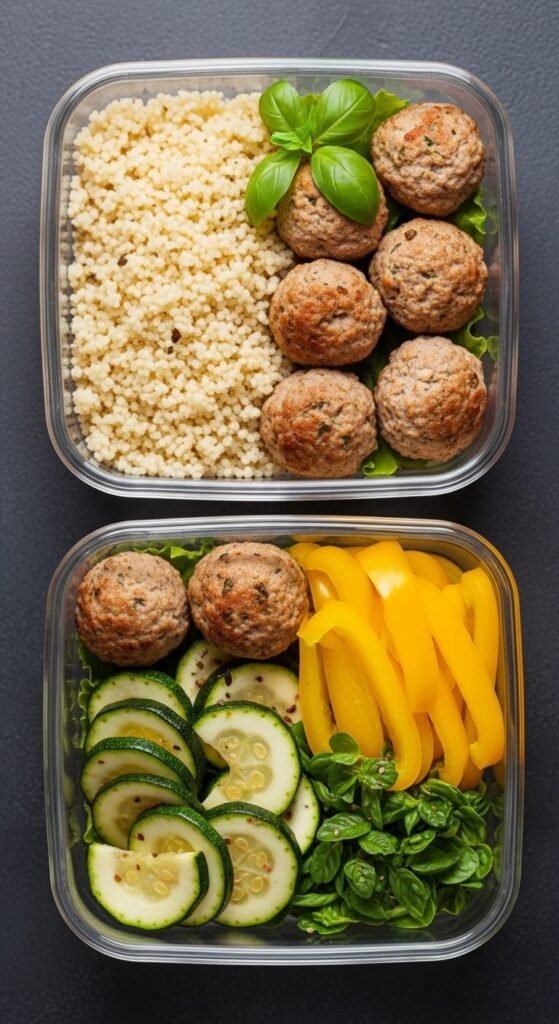
Here’s where most people go wrong: they batch cook entire meals, then feel trapped eating the same dish all week. Instead, batch cook components separately and mix and match them.
Spend an hour on Sunday preparing:
- A big pot of grains (rice or quinoa)
- Two roasted vegetables (e.g., broccoli + sweet potato)
- One cooked protein (e.g., shredded chicken or baked tofu)
- A sauce or two (tahini dressing, tomato salsa)
From these components, you can assemble grain bowls, stuff wraps, toss with pasta, or layer onto toast — all without repeating the same meal twice.
Keep a “Remix” Mindset
Leftovers don’t have to feel like leftovers. Adopt a remix mindset — ask yourself, “How can I transform this into something new?”
- Last night’s roasted veggies → morning frittata
- Extra rice → fried rice with a scrambled egg and soy sauce
- Leftover soup → pasta sauce with a splash of cream
It’s not repetition. It’s creative cooking.
The Takeaway
Budget meal planning isn’t about eating sad, identical lunches five days in a row. It’s about building a flexible system — versatile ingredients, theme-based planning, smart shopping, and a creative remix mentality — that keeps both your wallet and your taste buds happy.