Imagine opening your fridge on a busy Wednesday night and finding perfectly portioned, ready-to-eat meals staring back at you. No scrambling. No takeout guilt. Just food — already done. That’s the magic of meal prep, and the best part? You don’t need to be a chef to make it work.
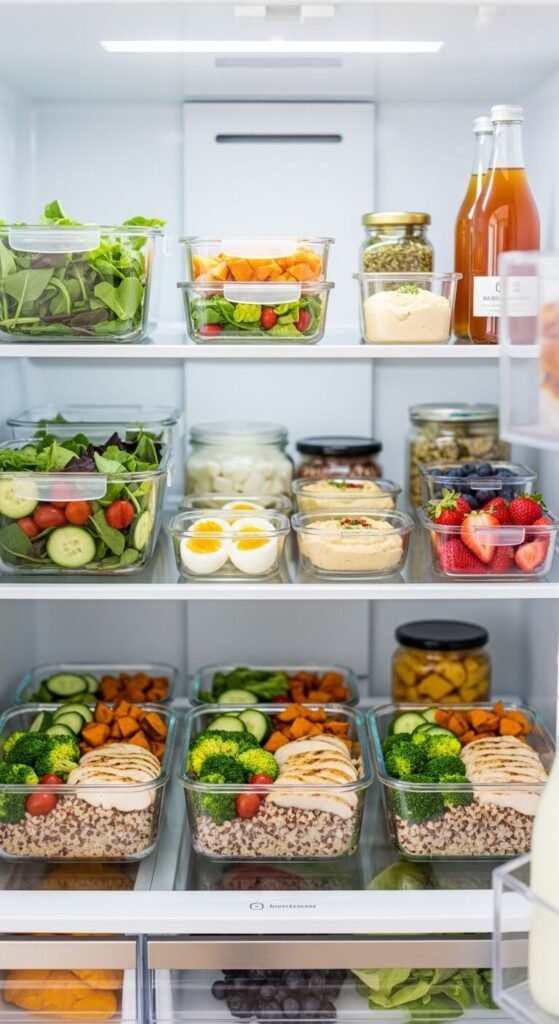
Whether you’re trying to eat healthier, save money, or just reclaim your weeknights, this beginner’s guide will walk you through everything you need to get started.
Why Meal Prep Is a Game-Changer
Let’s be real — most of us don’t fail at eating well because we don’t want to. We fail because life gets busy and the easiest option wins. Meal prep removes the decision fatigue from your week by doing the hard work upfront.
Here’s what you actually gain:
- Time — Cook once, eat all week
- Money — Less impulse takeout, less food waste
- Health — You control the ingredients
- Mental peace — No more 6pm panic of “what’s for dinner?”
Step 1: Start Simple — Pick a Prep Style
Before you buy a single container, decide how you want to meal prep. There’s no one-size-fits-all approach.
The three most beginner-friendly styles:
- Batch cooking — Make large quantities of one recipe (like a big pot of soup or chili)
- Component prepping — Cook individual ingredients separately (rice, protein, veggies) and mix-and-match throughout the week
- Full meal prepping — Prepare complete, portioned meals ready to grab and go
For most beginners, component prepping is the easiest starting point. It gives you variety without the pressure of planning every single meal in advance.
Step 2: Plan Before You Shop
A little planning goes a long way. You don’t need a color-coded spreadsheet — just a rough idea of what you’ll eat.
A simple beginner formula:
- 1–2 proteins (chicken thighs, ground turkey, eggs, chickpeas)
- 1–2 grains or carbs (brown rice, quinoa, sweet potatoes)
- 3–4 vegetables (broccoli, bell peppers, zucchini, spinach)
- Sauces or seasonings to keep things flavorful
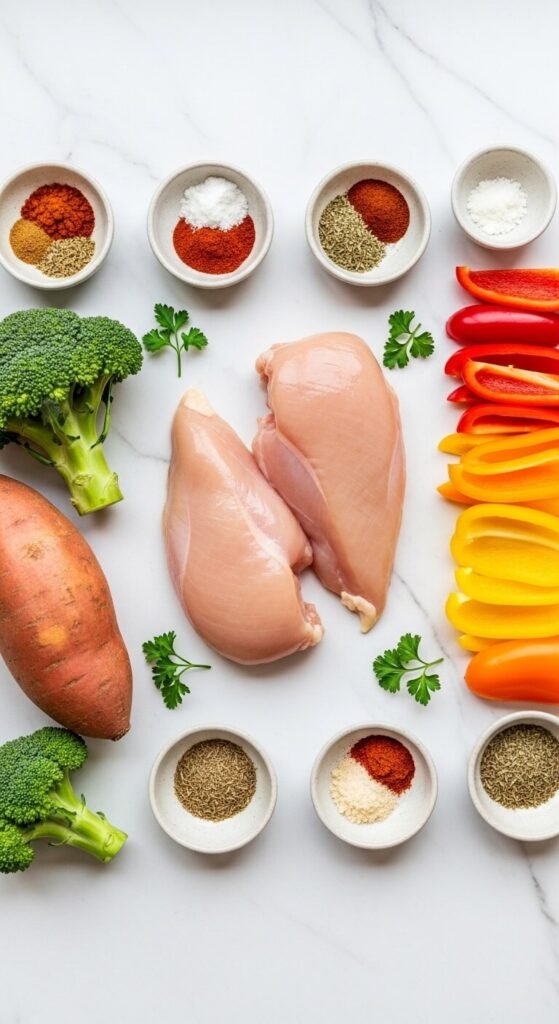
Write your grocery list based on this formula, then stick to it. Shopping with a plan means less wandering, less overspending, and less rotting produce at the end of the week.
Step 3: Set Up Your Prep Day
Most meal preppers dedicate 1–2 hours on Sunday (or whatever day works before your week gets hectic). Here’s how to make the most of that time:
Work smarter, not harder:
- Start with whatever takes the longest to cook (grains and roasted veggies can go in the oven while you prep other things)
- Use sheet pans for roasting — less mess, maximum flavor
- Cook proteins in bulk and season them after portioning so you can switch up the flavor mid-week
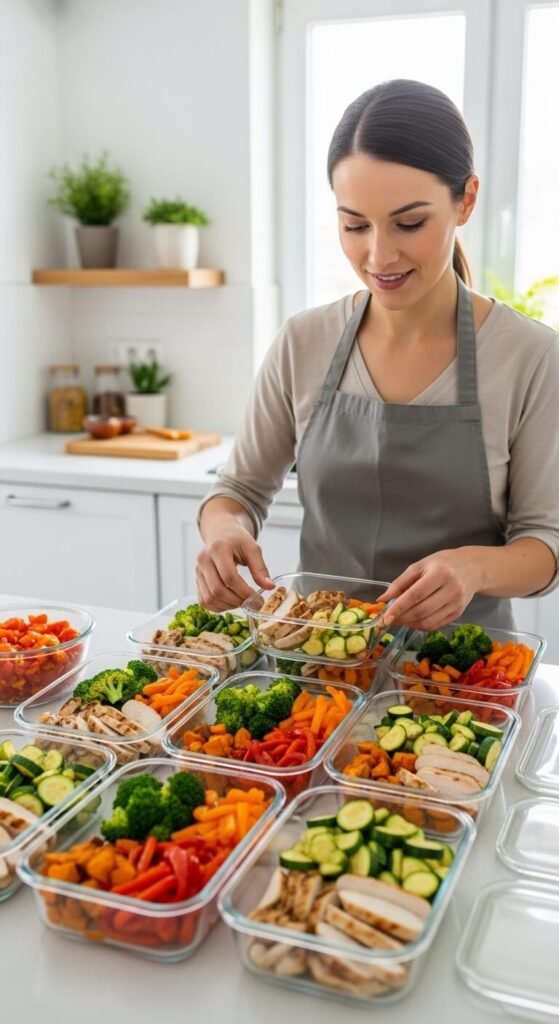
Aim to have everything cooked, cooled, and stored within two hours. It sounds like a lot, but once you’ve done it twice, it becomes second nature.
Step 4: Store It Right
Good storage keeps your food fresh — and safe. Here’s what you need to know:
- Glass containers are ideal (durable, microwave-safe, no plastic taste)
- Most prepped meals stay fresh in the fridge for 3–5 days
- Freeze anything you won’t eat within that window
- Store dressings and sauces separately to avoid soggy meals
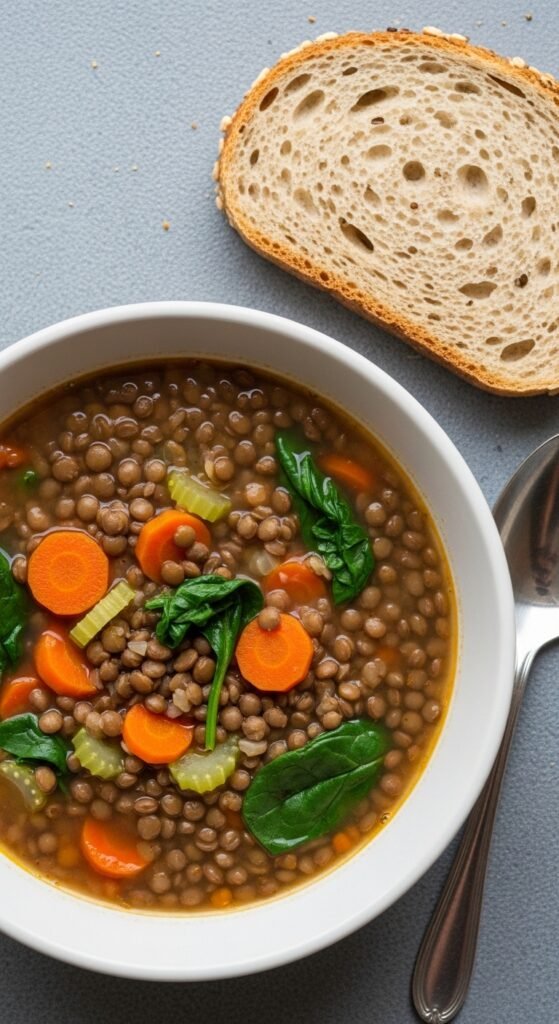
Label your containers with the date using masking tape and a marker. Future you will thank you.
Step 5: Keep It Interesting
The #1 reason people quit meal prep? Boredom. Eating the same thing every day gets old fast — but it doesn’t have to.
Easy ways to switch it up:
- Use different sauces on the same base (teriyaki one day, lemon herb the next)
- Swap out a grain or veggie each week
- Build “remix” meals — turn Monday’s rice bowl into Friday’s fried rice
You’ve Got This
Meal prep isn’t about perfection — it’s about making your week a little easier, one container at a time. Start small. Maybe just prep your lunches for three days. Then build from there.
Save this guide for your next prep day, and remember: the best meal prep routine is the one you’ll actually stick to. Now go conquer that kitchen.