Raise your hand if you’ve ever made pasta for the kids and a separate stir-fry for the adults — all while standing exhausted in the kitchen at 6 p.m. You’re not alone. The “short-order cook” trap is real, and it quietly steals your time, energy, and dinner-table sanity. But here’s the good news: with a little strategy, you can serve one meal that everyone actually eats — no bribing, no crying, no second round of dishes.
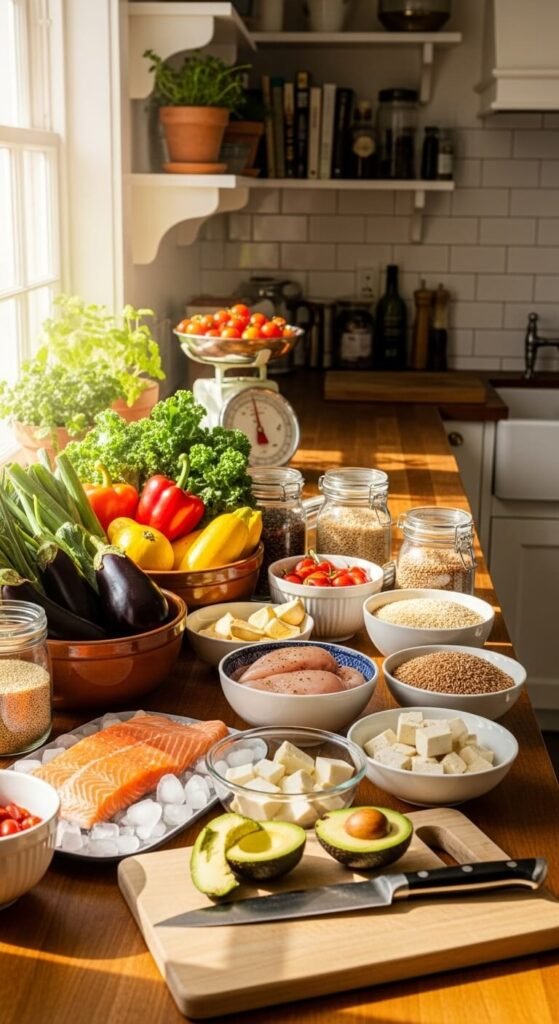
Start With a “Build-Your-Own” Base
The secret weapon of stress-free family dinners? Deconstructed meals.
Instead of combining everything into one dish a picky eater might reject, keep components separate and let everyone assemble their own plate. Think taco bars, grain bowls, or pasta nights where the sauce is served on the side.
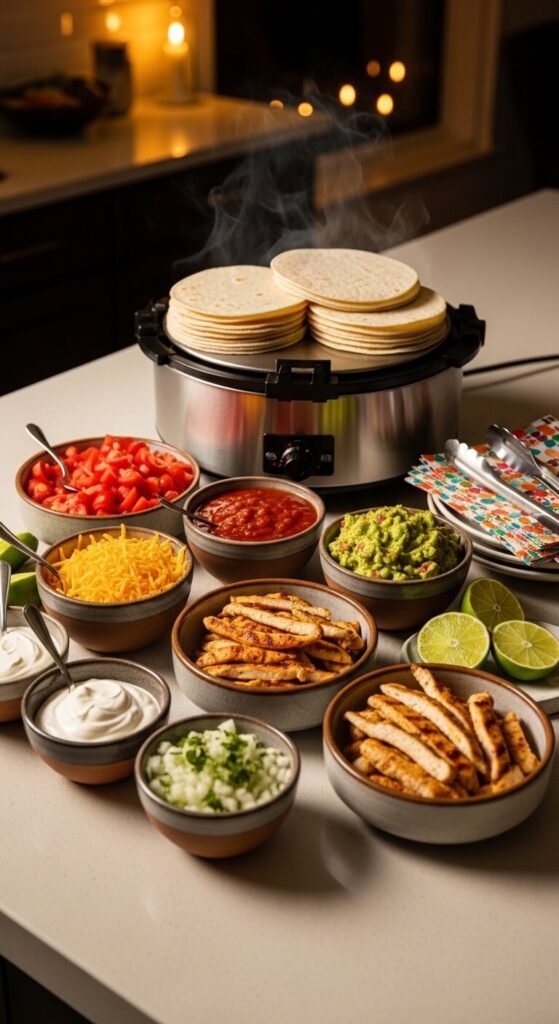
- Tacos: Set out seasoned meat, shredded cheese, lettuce, salsa, and tortillas. Kids grab what they want. Done.
- Grain bowls: Rice or quinoa as the base, with protein, roasted veggies, and a simple sauce on the side.
- Pasta bars: Noodles plain or sauced, with toppings like meatballs, parmesan, or steamed broccoli on the side.
This approach gives kids a sense of control — which dramatically reduces mealtime resistance — while adults get the fully loaded version they actually want.
Use the “One New, Two Familiar” Rule
Introducing new foods doesn’t have to mean a dinner standoff. The trick is pairing something unfamiliar with two things your child already loves.
For example:
- New food: roasted zucchini
- Familiar foods: buttered pasta + grilled chicken
The goal isn’t to force the new food — it’s just to put it on the plate repeatedly, without pressure. Research consistently shows kids need 8–15 exposures to a new food before accepting it. Low stakes, over time, works far better than a forced “just try one bite” battle.
Master the “Same Meal, Slight Tweaks” Method
You don’t need two separate dinners. You need one dinner with easy modifications.
Here’s how it works in practice:
- Making chicken stir-fry? Set aside a portion of plain cooked chicken and veggies before adding the sauce for the kids.
- Making a spicy curry? Keep a small portion mild, then add chili paste to the adults’ servings.
- Making a salad? Serve the dressing on the side and let kids dip instead of toss.
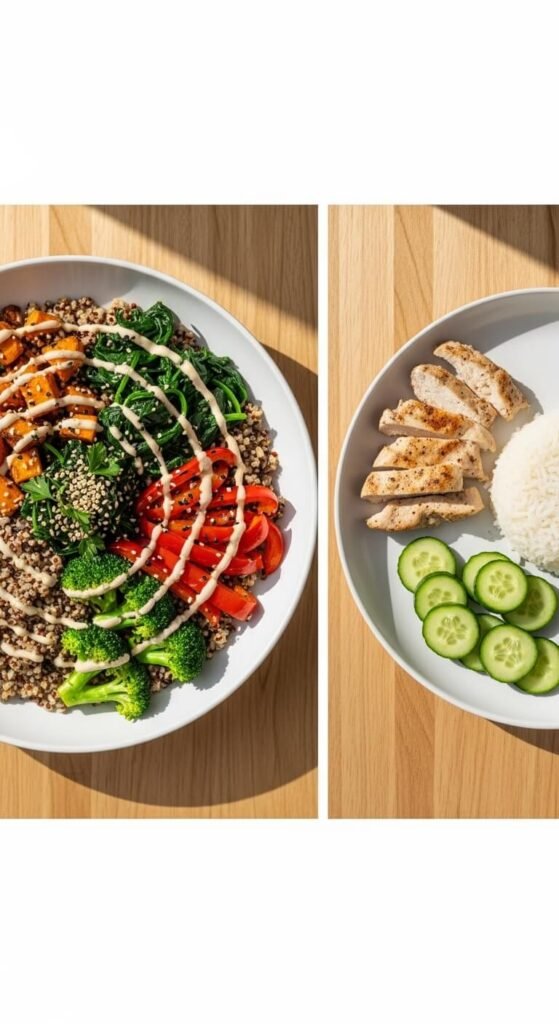
These micro-adjustments take less than two extra minutes and completely eliminate the need for a second meal.
Plan Your Week Around Flexible Proteins
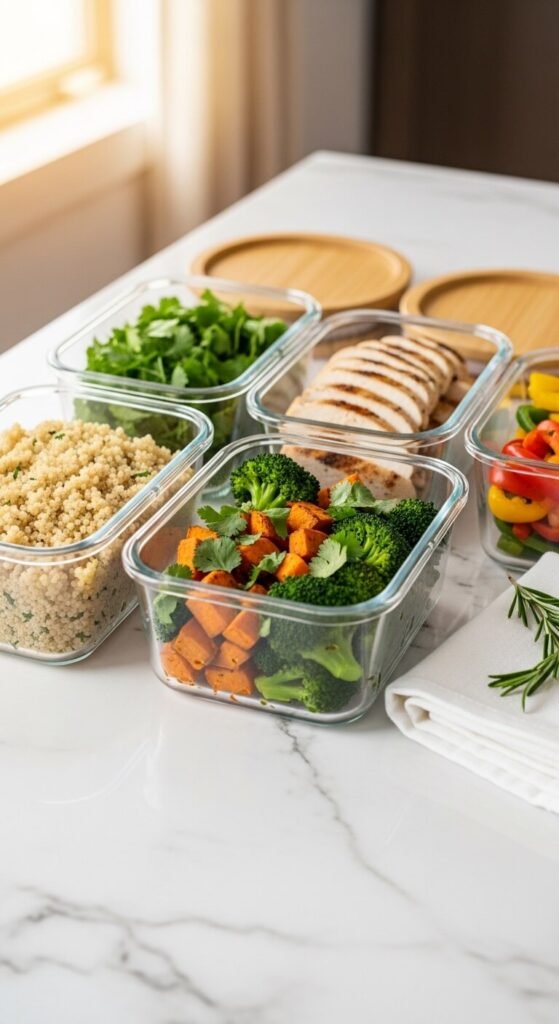
The easiest family meals are built on proteins that work across multiple flavor profiles. When you batch cook a neutral protein on Sunday, it becomes the backbone of three different weeknight dinners.
Try these crowd-pleasers:
- Rotisserie chicken → tacos Monday, rice bowls Wednesday, quesadillas Friday
- Ground beef → pasta sauce Tuesday, stuffed peppers Thursday
- Baked salmon → served plain for kids, with lemon-dill butter for adults
Shopping and prepping once means less decision fatigue every night — and kids are more likely to eat proteins they’ve seen before.
Make Veggies Non-Negotiable (But Not Miserable)
The biggest mealtime complaint isn’t usually protein — it’s vegetables. The fix? Change the form, not the vegetable.
Kids who won’t touch steamed broccoli will often eat it:
- Roasted until crispy
- Blended into a pasta sauce
- Served with a dipping sauce (ranch, hummus, ketchup — whatever works)
The nutrient still counts. The win still counts.
You Only Need to Cook Once
The goal was never to make everyone eat the exact same thing in the exact same way. It’s to cook one cohesive meal with enough flexibility that everyone leaves the table full and happy.
Start small — try one “build-your-own” night this week and see how it goes. You might be surprised how much easier dinner gets when you stop trying to please everyone perfectly and start building meals that work together.
Save this article for your next meal planning session — and finally close the second-dinner chapter for good! 🍽️