Sunday evening. You’re staring into the fridge, completely blank, while three hungry people hover behind you asking, “So… what’s for dinner?” Sound familiar? Meal planning sounds like a chore — but done right, it’s actually the thing that gives you your weeknights back. This guide will walk you through a simple, stress-free system that actually sticks.

Why Most Meal Planning Fails (And How to Fix It)
The problem isn’t you — it’s the approach. Most people try to plan too perfectly. They map out seven elaborate dinners, buy 40 ingredients, and burn out by Tuesday.
The fix? Plan for five dinners max, build in one leftover night, and leave one night open for takeout or whatever. Life happens. Your plan should flex with it.
Step 1: Take a 10-Minute Inventory Before You Shop
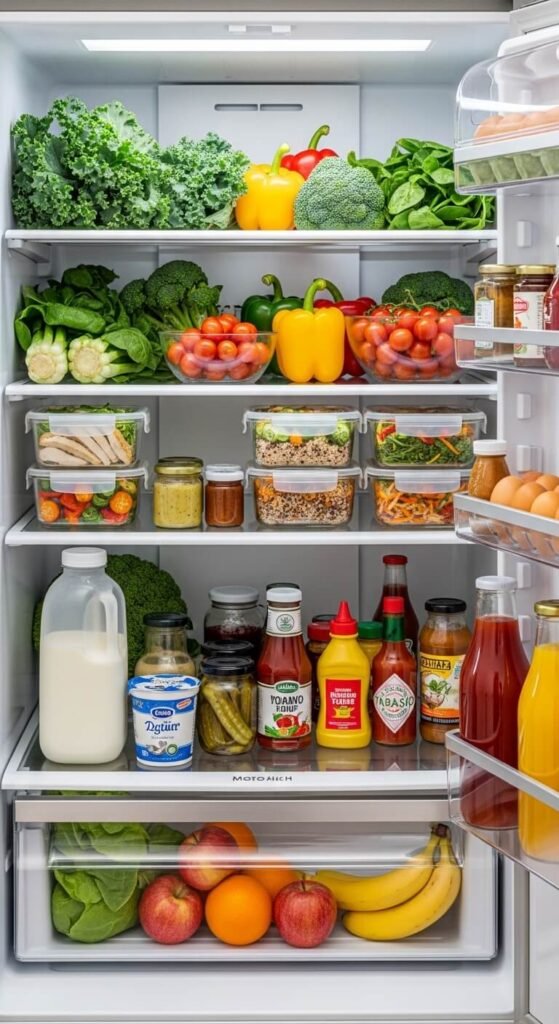
Before you ever write a single meal idea down, open your fridge, freezer, and pantry. You’d be amazed how many meals are already hiding in there.
Ask yourself:
- What proteins do I already have?
- What vegetables need to be used up soon?
- What pantry staples (pasta, rice, canned beans) can anchor a meal?
This step alone cuts your grocery bill and prevents the all-too-common “I already had chicken” moment mid-week.
Step 2: Build Around a Simple Dinner Formula
Stop reinventing the wheel every week. Instead, assign loose categories to each night so you’re not starting from zero.
Here’s a formula that works for most households:
- Monday — One-pot or sheet pan meal (easy after a long day)
- Tuesday — Taco/bowl night (customizable for picky eaters)
- Wednesday — Pasta or grain-based dish
- Thursday — Protein + veggie (simple and fast)
- Friday — Leftovers or pizza night
- Saturday — Try something new or a family favorite
- Sunday — Meal prep + something low-effort like soup or sandwiches
Once your family gets used to the rhythm, they’ll start requesting meals for their night — which means less decision-making for you.
Step 3: Write Your Plan (Use the Free Template!)
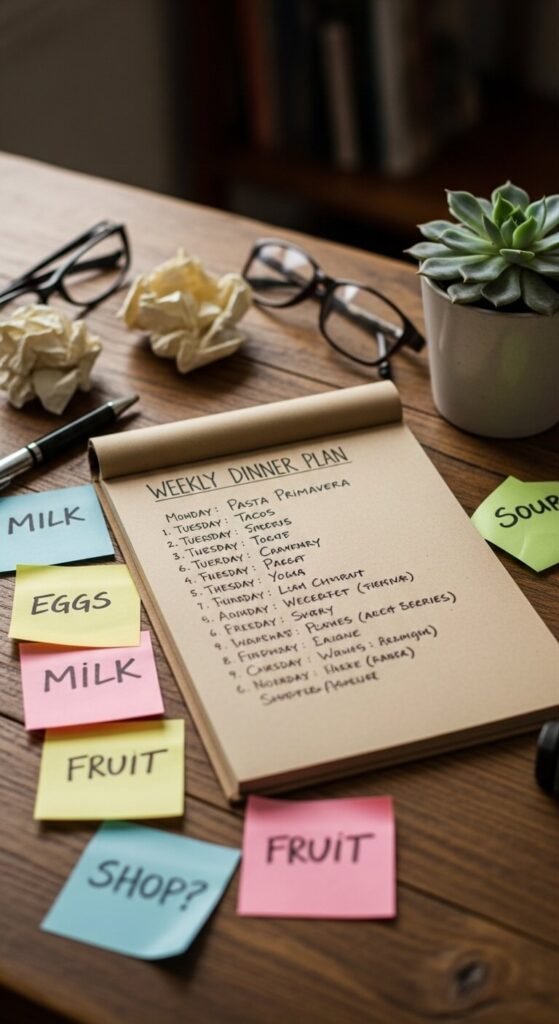
Grab a piece of paper, a whiteboard, or a free printable template (linked below!) and fill in your five dinners. Next to each meal, jot down the one or two key ingredients you need to buy.
That’s your grocery list. Seriously — keep it that simple.
Pro tips for your planning session:
- Do it the same day every week (Sunday morning works great)
- Keep a running list of your family’s 15–20 “greatest hits” meals to pull from
- Check your schedule first — plan slow-cooker meals on your busiest days
Step 4: Batch a Little Prep on the Weekend
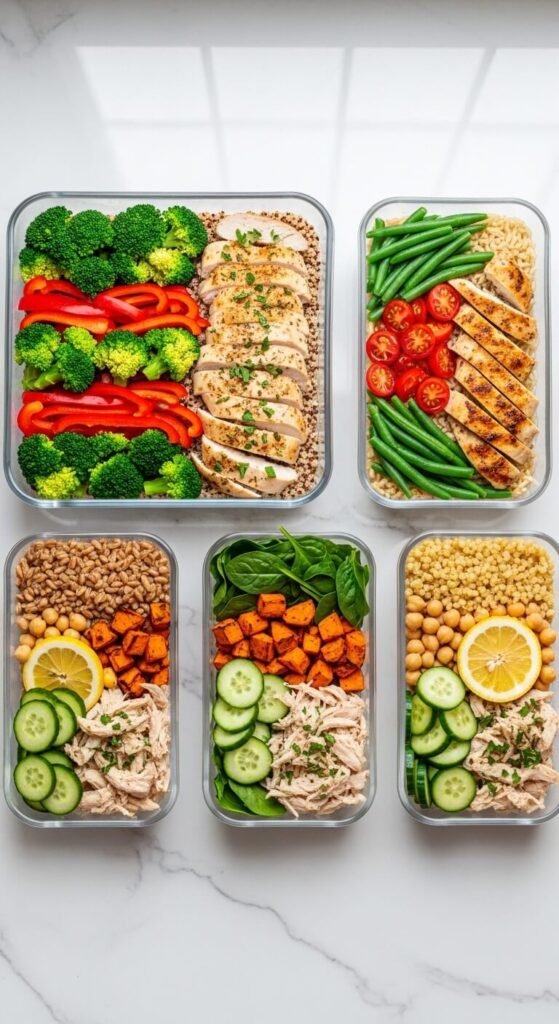
You don’t need to go full meal-prep influencer mode here. Even 20–30 minutes on Sunday can make a huge difference during the week.
A few small things that pay off big:
- Wash and chop vegetables
- Cook a batch of rice or grains
- Marinate your protein for Monday night’s dinner
- Hard-boil a few eggs for quick additions to salads or bowls
Step 5: Protect the Plan (Without Being Rigid)
Life will throw curveballs — a late meeting, a sick kid, total exhaustion. The goal isn’t to follow the plan perfectly. The goal is to have a plan to fall back on so you’re never starting from scratch at 6 PM on a Wednesday.
Keep a backup “emergency dinner” in your pantry at all times. Think: pasta + jarred sauce, quesadillas, or fried rice from leftover grains. No shame. Just dinner.
You’ve Got This
Weekly dinner planning isn’t about being a perfect homemaker — it’s about making your life easier and your evenings calmer. Start with just three planned dinners this week if five feels like too much. Build the habit slowly, and the rest will follow.
Save this post, grab the free weekly dinner planner template below, and tag a friend who desperately needs this system in their life. Your future self — standing calmly in the kitchen on a Tuesday night — will thank you.