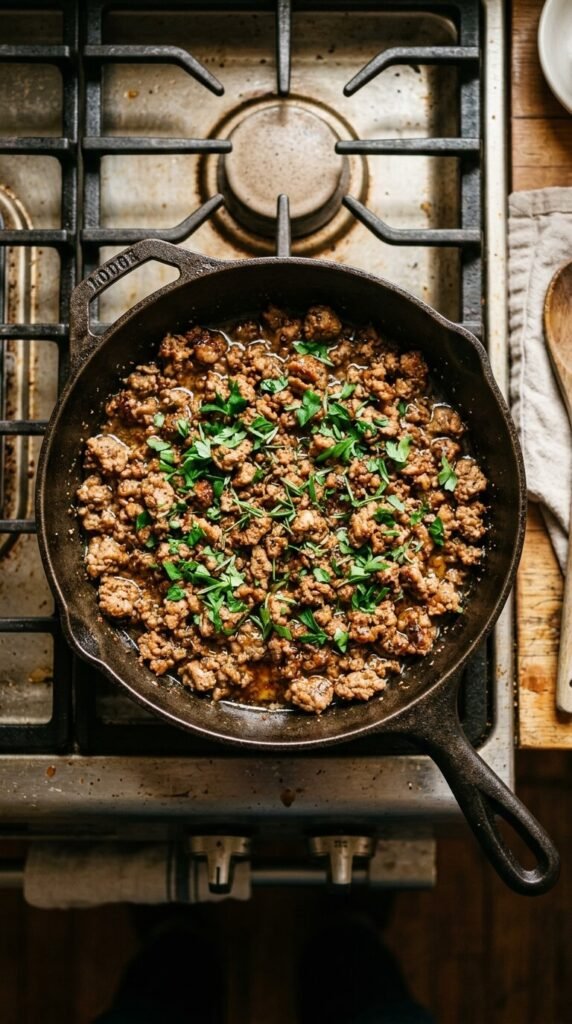
Ground turkey has a reputation for being the sad, dry, flavorless cousin of ground beef — and honestly, it’s earned that reputation more often than not. But here’s the truth: ground turkey isn’t the problem. The way most people cook it is the problem. With a few small adjustments, you can turn this lean, healthy protein into something genuinely juicy and flavorful, no dry crumbly texture in sight.
Understand Why Ground Turkey Dries Out So Easily
Before fixing the problem, it helps to know what’s actually happening. Ground turkey is significantly leaner than ground beef, especially if you’re using 99% lean turkey breast. Less fat means less natural moisture and flavor — and it also means far less margin for error when it comes to cooking time.
Beef can survive a little overcooking because the fat keeps it moist. Turkey can’t. Every extra minute on the heat pushes it closer to dry and crumbly.
The fix isn’t complicated: add moisture back in, and watch your cooking time closely.
Choose the Right Fat Content
This is the easiest fix of all, and it starts before you even turn on the stove.
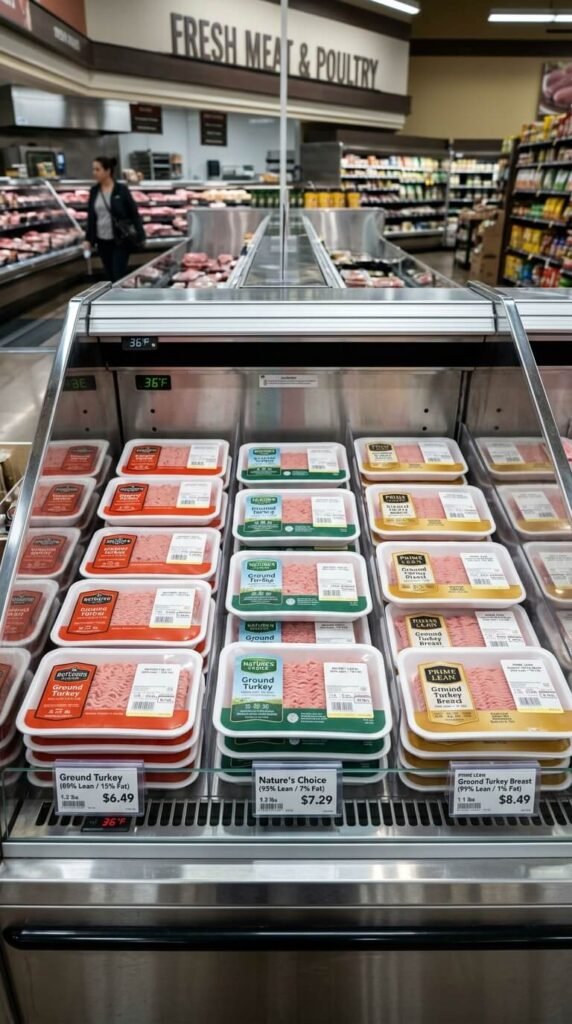
- Skip 99% lean turkey for most recipes — it has almost no fat to keep it moist
- 93% lean ground turkey is the sweet spot for most dishes — enough fat for flavor and moisture without feeling heavy
- 85% lean ground turkey (often labeled “ground turkey thigh”) is even juicier and works beautifully in burgers, meatballs, and meatloaf
If your store only carries the super-lean option, don’t worry — the techniques below will still get you a juicy result. But starting with slightly more fat makes the whole process more forgiving.
Add Moisture Before It Hits the Heat
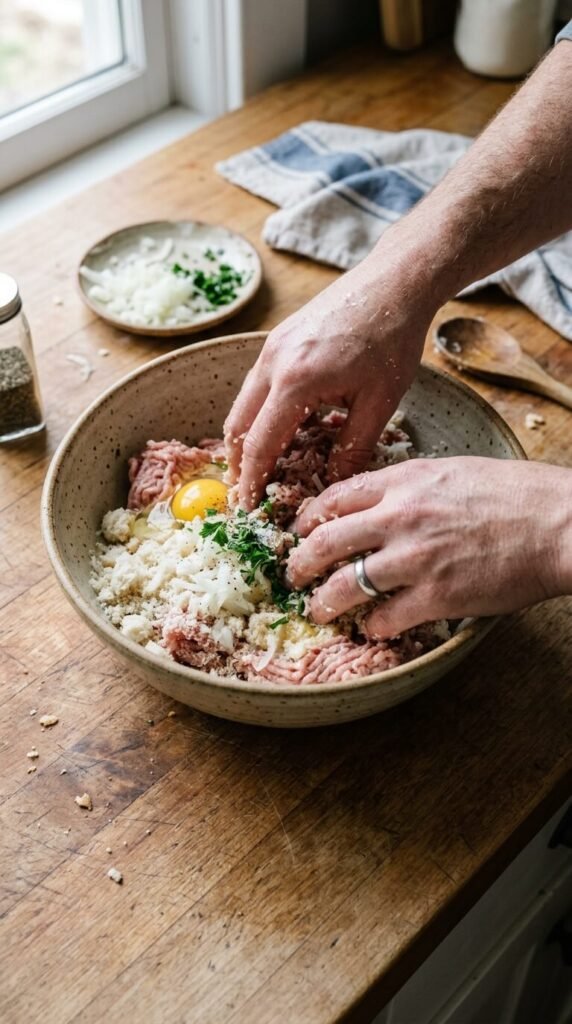
This is the single biggest trick for juicy ground turkey, and it works whether you’re making burgers, meatballs, or a skillet dish.
For burgers and meatballs, mix in:
- A tablespoon or two of olive oil directly into the raw meat
- A few tablespoons of grated onion or zucchini — they release moisture as they cook
- An egg, which helps bind the mixture and adds richness
- A splash of milk or broth soaked into breadcrumbs before mixing in
For skillet-style cooked turkey:
- Add a tablespoon of olive oil to the pan before the turkey goes in, even though it might feel unnecessary
- Mix in a few tablespoons of broth or water partway through cooking if the pan looks dry
- Stir in diced vegetables like onion, bell pepper, or mushrooms early — they release liquid as they cook and keep everything from drying out
Don’t Overcook It — This Is Where Most People Go Wrong
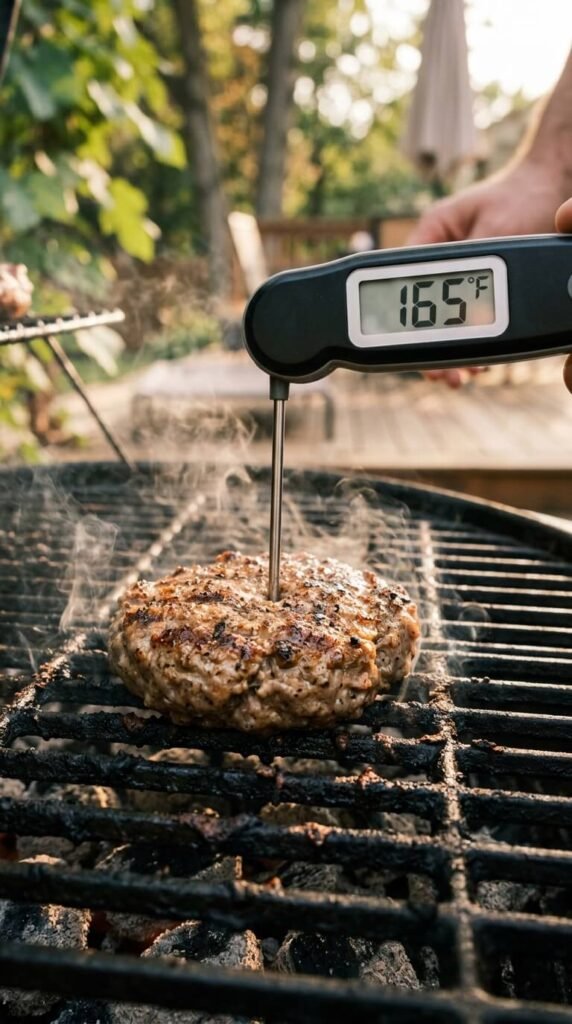
Ground turkey needs to reach an internal temperature of 165°F — and not a degree more. Many people cook it well past that point out of caution, assuming poultry needs extra time the way chicken sometimes does in home kitchens. That extra time is exactly what dries it out.
How to avoid overcooking:
- Use a meat thermometer rather than guessing based on color — this is the single most reliable fix
- Pull it off the heat the moment it hits 165°F, since it will continue cooking slightly from residual heat
- Cook over medium heat, not high — high heat cooks the outside faster than the inside, leading you to leave it on longer than necessary
- Break it into larger chunks while browning rather than tiny crumbles — smaller pieces dry out faster because more surface area is exposed to heat
Season Boldly — Lean Meat Needs the Help
Because ground turkey has less natural fat, it also has less natural flavor compared to beef. This isn’t a flaw — it just means seasoning matters more.
- Salt generously — lean meat needs more seasoning to taste balanced
- Use bold aromatics — garlic, onion, and fresh herbs go a long way
- Add umami boosters — a splash of soy sauce, a spoonful of tomato paste, or grated Parmesan all deepen flavor significantly
- Finish with acid — a squeeze of lemon or splash of vinegar at the end brightens the whole dish and cuts through any richness
A well-seasoned, properly moistened ground turkey dish can genuinely rival ground beef in flavor, while staying lighter and leaner.
Juicy Ground Turkey Is Absolutely Achievable
The dry, sad reputation ground turkey carries is almost entirely fixable. Choose a fat content that gives you some margin for error, build moisture into the mixture before cooking, watch your temperature closely instead of overcooking out of caution, and season with confidence. Do these things, and ground turkey becomes a genuinely satisfying, juicy protein in your weekly rotation.
Save this guide for your next turkey-based dinner — your taste buds won’t believe it’s lean. 🦃✨