If you’ve ever made an elaborate, nutritious dinner only to watch your child push it around their plate for twenty minutes without taking a single bite, you already know the particular exhaustion of feeding a picky eater. The good news is that meal planning for picky eaters isn’t about giving up on variety or surrendering to chicken nuggets every night. It’s about working smarter, not harder — and these parent-tested strategies actually make weeknight dinners peaceful again.
Build Meals Around One “Safe” Component
This is the strategy that experienced parents swear by, and it takes the pressure off every single dinner.
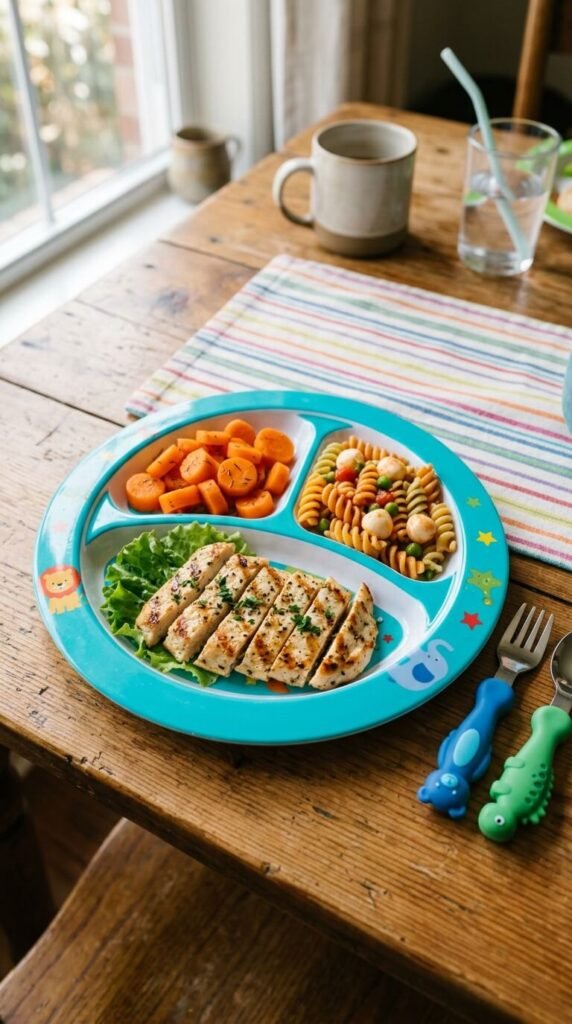
The idea is simple: every meal includes at least one item you already know your picky eater will eat. It doesn’t need to be the whole meal — just one familiar anchor point that guarantees they’ll get something in their stomach, even on a night when the rest of the plate doesn’t land.
Examples of this in action:
- Serving a new vegetable alongside plain buttered pasta
- Pairing an unfamiliar sauce with rice they already love
- Offering a new protein next to bread or crackers they always eat
This removes the all-or-nothing stress from dinner and makes trying new foods feel lower-stakes for everyone at the table.
Keep New Foods Separate, Not Mixed In
Picky eaters are often far more willing to try something new when it’s not touching, mixed into, or hidden inside another food. Casseroles, mixed stir-fries, and heavily sauced dishes can feel overwhelming or suspicious to a cautious eater, even if the individual ingredients are things they normally like.
What tends to work better:
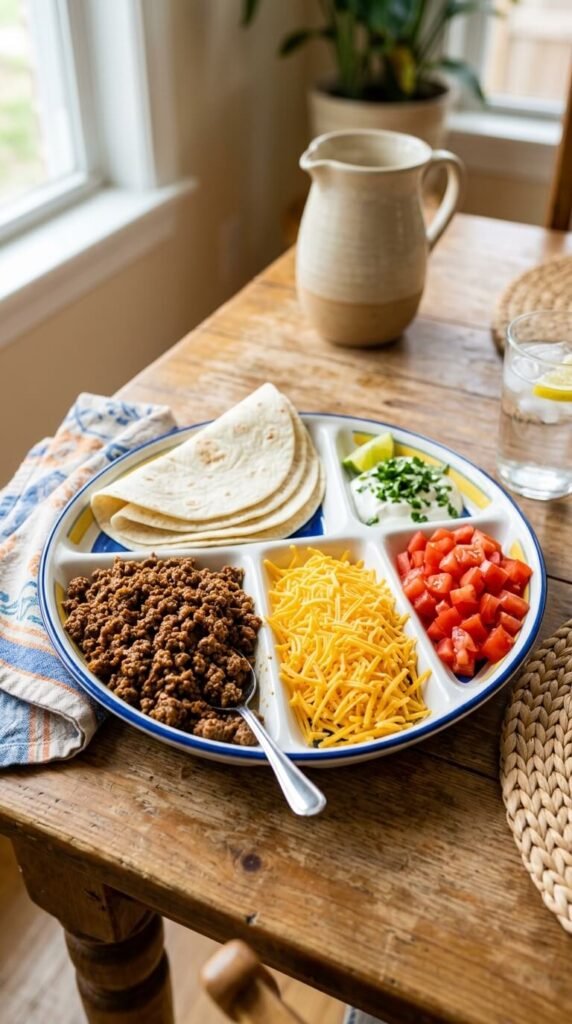
- Deconstructed versions of familiar meals — taco ingredients served separately instead of assembled
- Components served in their own small piles or sections on a divided plate
- Sauces and dressings on the side, so kids can dip or skip entirely
- One new food per meal, rather than introducing several unfamiliar things at once
Get Kids Involved in the Planning Process
This single shift changes the entire dynamic around picky eating for a lot of families. When kids have a say in what goes on the menu, they’re significantly more invested in actually eating it.
Ways to involve them, based on age:
- Let them pick one dinner a week from a short list of 2–3 parent-approved options
- Bring them along on a grocery trip and let them choose one new vegetable or fruit to try
- Have them help with simple prep tasks — washing vegetables, stirring, or arranging toppings
- Ask their opinion on a new recipe before committing to it for the whole family
Kids who feel some ownership over a meal are noticeably more willing to actually sit down and eat it, even if it’s something slightly outside their comfort zone.

Repeat Winning Meals Without Guilt
There’s a strange pressure many parents feel to provide constant variety, but repetition is actually one of the most effective tools for managing picky eating. If something works, it’s completely fine to put it on rotation regularly.
- Identify your 5–7 “always works” meals and don’t be afraid to lean on them heavily
- Build slight variations into repeated meals — same base recipe, different vegetable side, to keep some variety without starting from scratch
- Don’t feel obligated to introduce something new every single night — once or twice a week is a reasonable, low-pressure pace
- Track what actually gets eaten, not just what gets served, so your “go-to” list reflects reality rather than wishful thinking
Introduce New Foods Without Pressure or Power Struggles
This is often the hardest part for parents to get right, but it makes a real difference in how picky eating evolves over time.
- Offer new foods alongside familiar ones, never as a replacement for what you know they’ll eat
- Avoid making a big deal out of trying something new — low-key presentation reduces resistance
- Don’t force a “no thank you bite” rule if it creates conflict — some kids respond better to simply having food available without pressure to taste it
- Expect it to take multiple exposures — research consistently shows kids often need to see a new food 8–10 times before they’re willing to try it, let alone like it
- Praise trying, not finishing — this keeps the experience low-pressure and positive
Plan a Realistic Weekly Rotation
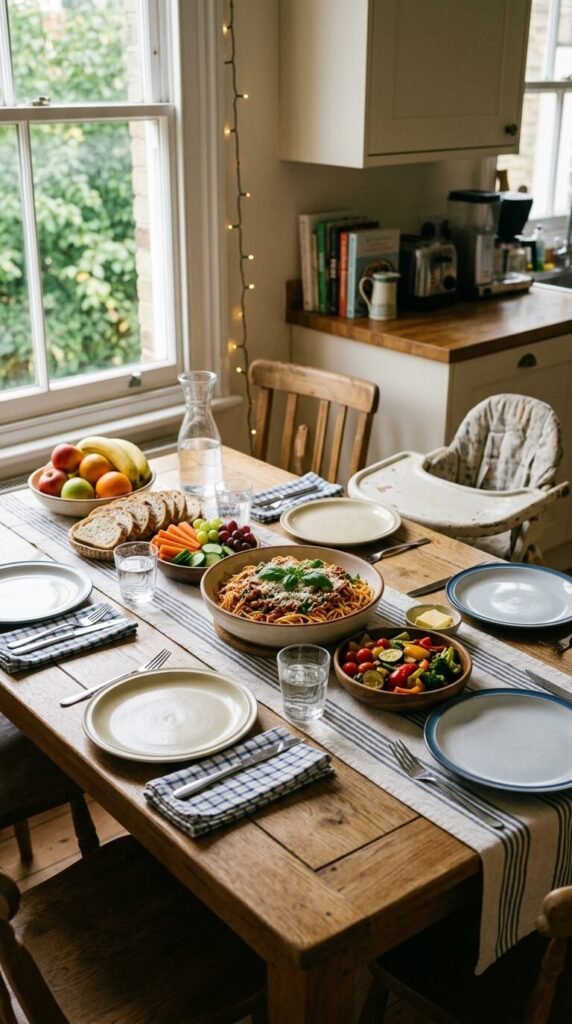
Putting all of this together, a picky-eater-friendly weekly plan might look something like this:
- 2–3 nights: tried-and-true favorites the whole family already enjoys
- 1–2 nights: a familiar meal with one small new element introduced alongside it
- 1 night: a “build your own” meal — tacos, pizza, or a topping bar — that lets everyone customize their own plate
- 1 night: leftovers or a simple backup meal, with zero pressure for anything fancy
This kind of structure builds in both consistency and gentle exposure to new foods, without turning every dinner into a negotiation.
Progress, Not Perfection
Meal planning for picky eaters isn’t about winning every night — it’s about building a sustainable rhythm that reduces stress for everyone at the table. Anchor meals with something familiar, separate new foods rather than mixing them in, involve your kids in the process, and don’t be afraid to repeat what works. Small, consistent steps add up over time.
Save this guide for your next week of meal planning — dinner with picky eaters really can get easier. 🍽️👧👦